Category: Aviation Maintenance Technician School

  • Minneapolis College

    Minneapolis College

    Minneapolis College’s Aircraft Maintenance Technician program is built for students who want a direct, hands-on route to earning FAA Airframe and Powerplant (A&P) eligibility while training in a real airline maintenance environment. The program is delivered off campus inside a Delta Air Lines maintenance facility at Minneapolis-St. Paul International Airport (Delta Air Lines, Building C, 7500 Airline Drive, Minneapolis, MN 55450). That location matters: instead of learning aircraft maintenance only in a traditional campus lab, students train in proximity to large-scale commercial maintenance operations and the people who do it every day.

    Program structure is cohort-based and intentionally paced. Minneapolis College accepts a new cohort once per year in the fall semester, and students complete the curriculum over six continuous semesters (fall, spring, and summer). Courses are scheduled Monday through Thursday, which helps many students maintain part-time work or family responsibilities while still completing a rigorous technical program. The program is offered as an Associate of Applied Science (A.A.S.) degree track, and the college also lists a diploma option; both are designed around the FAA-required subject areas and hours needed to prepare for A&P testing.

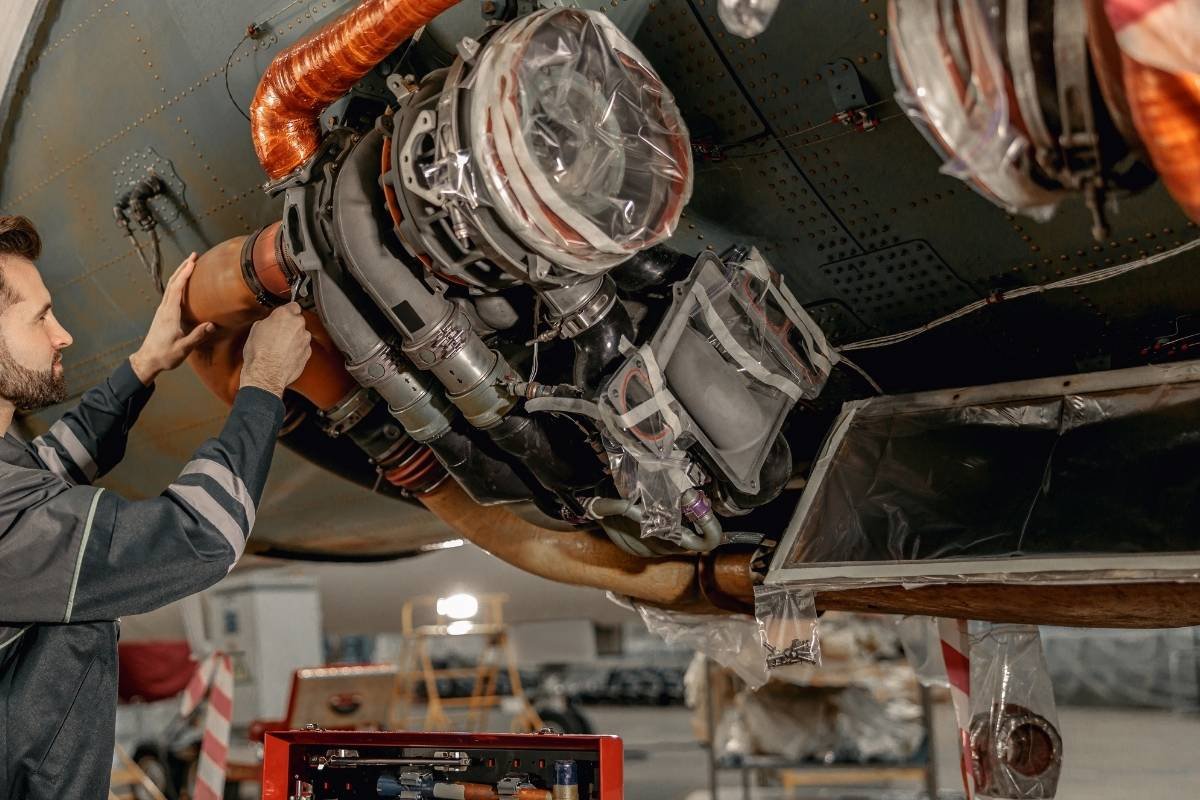
    In terms of what you learn, the program combines classroom instruction with extensive lab practice. Students develop core maintenance competencies such as interpreting technical manuals and drawings, applying Federal Aviation Regulations, troubleshooting aircraft systems, and performing service, repair, and inspection tasks to an FAA standard. Training includes aircraft structures and sheet metal, systems and components, and engine-related learning that supports the powerplant side of A&P outcomes. Because aviation maintenance is a team environment, the program also emphasizes communication, decision-making, and safe work habits, which are essential in a professional shop.

    A major differentiator is the program’s partnership history and industry integration. Minneapolis College notes a public-private partnership with Delta Air Lines/Endeavor Air that relocated the program into Delta’s facilities, and the program routinely incorporates learning opportunities made possible by that relationship, including guest speakers and commercial-aviation-specific training. If you’re targeting airline maintenance as a career destination, exposure to commercial operations and expectations can be a meaningful advantage.

    Students should plan for tuition and typical aviation program extras (books, tools, and FAA exam fees), and should contact the program or admissions for the most current total cost, required tools list, and annual cohort start dates. Overall, Minneapolis College is a strong fit for learners who want a structured cohort model, training aligned to A&P outcomes, and proximity to airline maintenance operations while completing an accredited college credential.

  • Ozarks Technical Community College

    Ozarks Technical Community College

    Ozarks Technical Community College (OTC) in Springfield, Missouri, offers a premier Aviation Aviation Maintenance Technology program at its dedicated Aviation Training Center near the Springfield-Branson National Airport. This FAA-approved Part 147 program utilizes a modern facility equipped with real aircraft and advanced training aids. Students can earn an Associate of Applied Science degree or a certificate, gaining the skills to maintain piston and turbine engines, metallic and composite structures, and complex aircraft systems. OTC’s program is designed to meet the growing workforce needs of the region’s aerospace sector.

  • Sacramento City College

    Sacramento City College

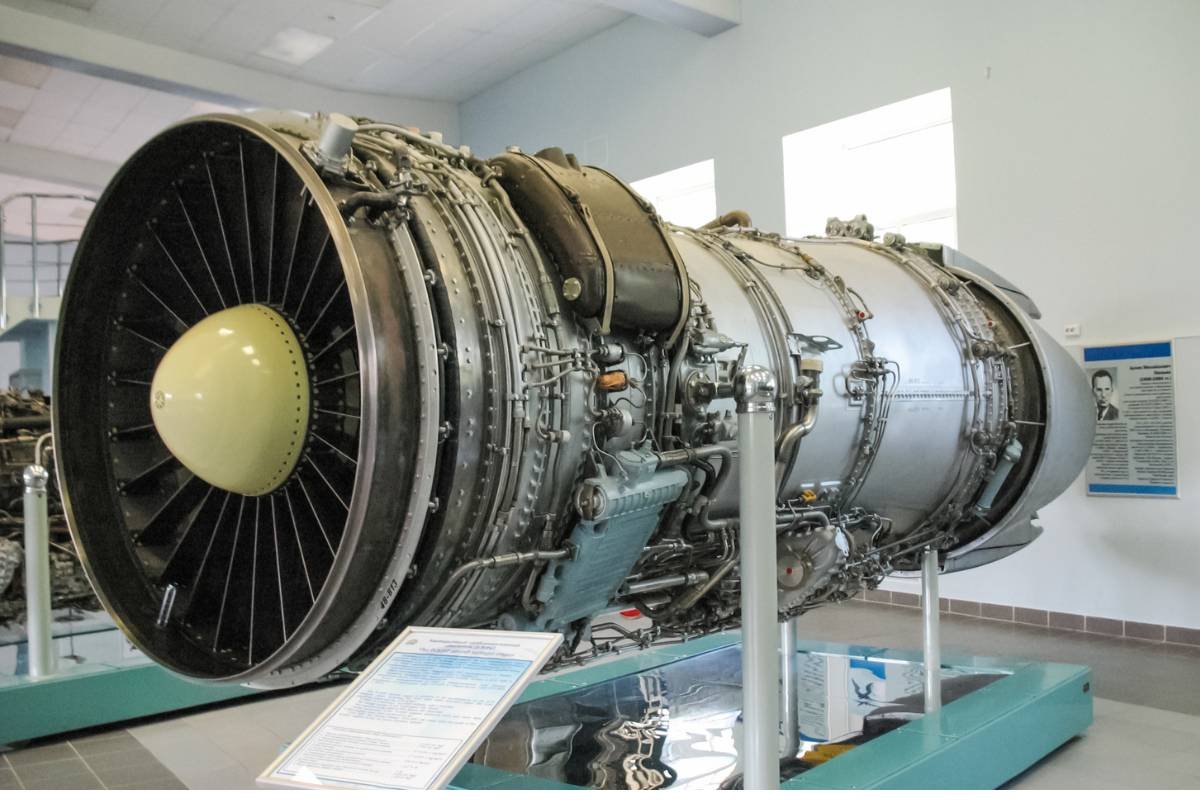
    Sacramento City College (SCC) offers a historic and well-regarded Aviation Maintenance Technician program at nearby McClellan Park. As one of the oldest FAA-approved schools in the state, SCC provides a comprehensive curriculum for Airframe and Powerplant certification. The program utilizes extensive hangar facilities and training aids, including jet engines and diverse aircraft. SCC is known for its rigorous academic standards and strong track record of producing skilled mechanics for the California aviation market.

  • Southern Illinois University

    Southern Illinois University

    Southern Illinois University (SIU) in Carbondale offers a premier Aviation Technologies program with a Bachelor of Science option, in addition to the standard FAA Airframe and Powerplant certification. The program is housed in the Transportation Education Center at Southern Illinois Airport, a world-class facility with extensive hangars and labs. SIU’s curriculum integrates advanced technical training with management and leadership skills, preparing graduates not just for mechanic roles, but for diverse career paths in aviation operations, product support, and technical management.

  • U.S. Aviation Academy – Atlanta

    U.S. Aviation Academy – Atlanta

    U.S. Aviation Academy operates FAA Part 147 aviation maintenance training designed to prepare students for the Airframe & Powerplant (A&P) certificate through an accelerated, career-focused model. At the Atlanta area location, the program is positioned as an immersive pathway for career changers and aviation enthusiasts who want to move from training to employment faster than the traditional 21-24 month timeline often associated with many A&P schools. turn1search2

    Training model and what students do: Across its A&P program pages, U.S. Aviation emphasizes hands-on learning with real aircraft components and shop work, supported by classroom instruction aligned to FAA standards. The school highlights that its A&P curriculum is FAA Part 147 approved and that students work through the knowledge areas required for the FAA written tests and the oral and practical exams. The Atlanta program page also emphasizes that tools are provided for use during training, which can reduce a major out-of-pocket expense that students sometimes face at other schools. turn1search2

    Location and facilities: The Atlanta A&P training site is based at Forest Park, Georgia (southeast of Hartsfield-Jackson Atlanta Airport). The published campus address and contact phone are provided on U.S. Aviation’s program pages, which is useful for prospective students comparing commute time, nearby housing options, and local aviation employers. turn1search2

    Schedule and program length: US Aviation describes an accelerated day option as short as 8 months and mentions longer part-time/night options up to about 15-16 months. In practical terms, this means many students can choose an accelerated daytime track if they can attend full-time, while others may be able to pursue a longer night or alternative schedule depending on what the campus offers at the time. For prospects, the right question to ask admissions is which start dates and schedules are currently running at this campus and what the expected weekly time commitment looks like for each option.

    Costs and approvals: The school advertises costs around $30,000 on the Atlanta page and also references under $36,000 in comparisons students should confirm the current tuition with admissions. The Atlanta campus explicitly notes it is not VA approved. Because pricing and funding eligibility can change, it’s smart to ask for an itemized cost sheet (tuition, fees, books/materials, exam prep/testing, and any optional expenses). If you plan to use veteran education benefits, confirm GI Bill eligibility and campus approval status directly with the school before enrolling.

    Who this school fits best: U.S. Aviation Academy is best suited for students who want a faster A&P pathway, prefer a hands-on airport environment, and value a program that highlights tools-provided training and industry connections. If you’re highly motivated and can handle an accelerated pace, the Atlanta A&P program is positioned as a direct route into aircraft maintenance roles supporting airlines, charter operators, and aviation maintenance organizations. turn1search2

  • Arkansas State University Mid-South

    Arkansas State University Mid-South

    Arkansas State University Mid-South’s Aviation Maintenance program is designed for students who want a direct path to FAA certification and an entry-level career as an aircraft mechanic (A&P). The school positions the program around one core promise: get you ready to sit for the FAA Airframe & Powerplant exams and start working in the aviation industry in as little as 24 months. That two-year timeline matters if you’re eager to move quickly from training into a paid role, but it’s paired with a curriculum that intentionally builds from fundamentals into complex systems so you’re not rushed through the why, only to struggle when you hit real-world troubleshooting.

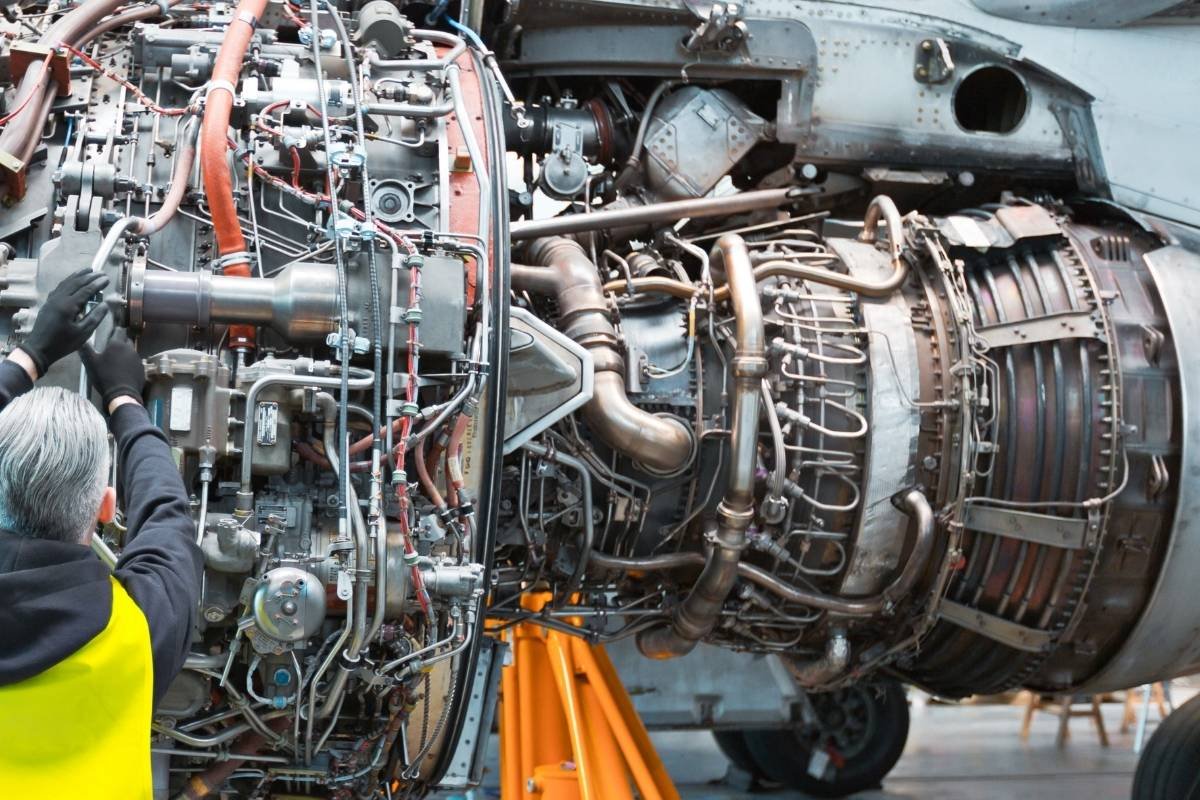
    The program begins with aircraft familiarization and the basics that every mechanic needs: math, physics, and foundational aircraft electricity. From there, coursework expands into airframe and powerplant competencies, including hydraulics, landing gear, flight controls, and the teardown, inspection, build-up, and testing of both reciprocating and turbine engines. In other words, students don’t just memorize component names they learn how aircraft systems behave, how failures present, and how to interpret what they see through the lens of FAA regulations and maintenance standards.

    A key strength of ASU Mid-South is its laddered credential structure. Students can work toward a Certificate of Proficiency in General Aviation Maintenance Technology (the general knowledge base), then advance into technical certificates focused on Airframe or Powerplant, and ultimately complete the Associate of Applied Science (AAS) in Aviation Maintenance Technology. That stackable approach helps students choose the pace and scope that fits their life: some may want to begin working sooner with a certificate, while others prefer an AAS that supports advancement into leadership, inspection, training, or safety-related roles later on.

    Cost transparency is also a practical consideration. ASU Mid-South publishes tuition rates per credit hour (with different rates for local, in-state, metro-area, and out-of-state residents), which helps prospective students estimate expenses based on the number of credits they plan to take. Like most aviation maintenance programs, students should also expect lab fees, tools, and books to be part of the overall investment, especially as training becomes more hands-on in airframe and engine labs.

    For students who want a focused, FAA-certified pathway with a clear two-year finish line and who value a credential ladder that supports both quick entry and long-term growth ASU Mid-South offers a straightforward, career-first aviation maintenance option in West Memphis.

  • Aviation Institute of Maintenance – Philadelphia

    Aviation Institute of Maintenance – Philadelphia

    The Aviation Institute of Maintenance (AIM) campus in Philadelphia offers FAA-certified Airframe and Powerplant (A&P) training centered on the heavy commercial and corporate aviation markets of the Northeast. As an FAA Part 147 certified institution, the school provides an intensive, hands-on curriculum designed for those seeking a direct pathway to a professional maintenance career. AIM Philadelphia features expansive hangar space and technical labs where students gain proficiency in aircraft structures, engines, and electrical systems, focusing on the high standards of airworthiness required by the FAA.

    Training at Philadelphia follows a modular approach, focusing on the development of the technician-craftsman mindset. Students work through modules covering everything from traditional sheet metal work to advanced turbine propulsion and composite structural repair. The school’s instructors emphasize the safety responsibilities and precision required in every aspect of the maintenance cycle. Graduates of AIM Philadelphia are well-prepared for the federal certification exams and find success with major airlines, regional MROs, and fixed-base operators throughout the heavily trafficked Northeast aviation corridor.

  • Chaffey College

    Chaffey College

    Chaffey College in Rancho Cucamonga, California, provides an FAA-approved Part 147 Aviation Maintenance Technology program with an exceptional history of success, boasting more than a 90% pass rate on federal exams. The college offers multiple credentials, including a 30-month Associate of Science degree and various technician certificates focusing on Airframe, Powerplant, and Avionics systems. Chaffey’s curriculum is designed to meet the high demands of the commercial, military, and corporate aviation sectors, emphasizing critical thinking and problem-solving alongside hands-on mechanical skills.

    A standout feature of the Chaffey program is its specialized Aircraft Electrical and Avionics Technician certificate, which prepares students for modern digital systems and even unmanned aerial vehicle (UAV) maintenance. Students learn in dedicated labs, gaining proficiency in electrical wiring interface systems (EWIS) and communication technologies. The program’s strong industry ties often result in job offers for students before they even graduate, with graduates securing lucrative roles with major national and international airlines. Chaffey College’s commitment to safety and technical excellence makes it one of the premier destinations for aviation maintenance training on the West Coast.

  • Cuesta College

    Cuesta College

    Cuesta College features a premier 19-month cohort-style Aviation Maintenance Technology program located at the San Luis Obispo County Airport in California. This FAA-approved program is designed to provide an intensive, focused path to Airframe and Powerplant certification, offering both day and evening options to suit a variety of student needs. Cuesta is distinguished by its hands-on instructional model, where students perform maintenance on a showcase fleet that includes high-performance jets and corporate turboprops.

    The training at Cuesta goes beyond the basics, diving into advanced topics such as composite structural design, avionics systems, and complex hydraulic troubleshooting. Students are trained to think like investigators, mastering the diagnostic skills needed to ensure airworthiness and flight safety. By training in an active airport environment, graduates gain a first-hand understanding of professional hangar operations and regulatory compliance. Cuesta College’s commitment to technical excellence and its strong industry ties make its graduates some of the most sought-after technicians in the California aerospace corridor.