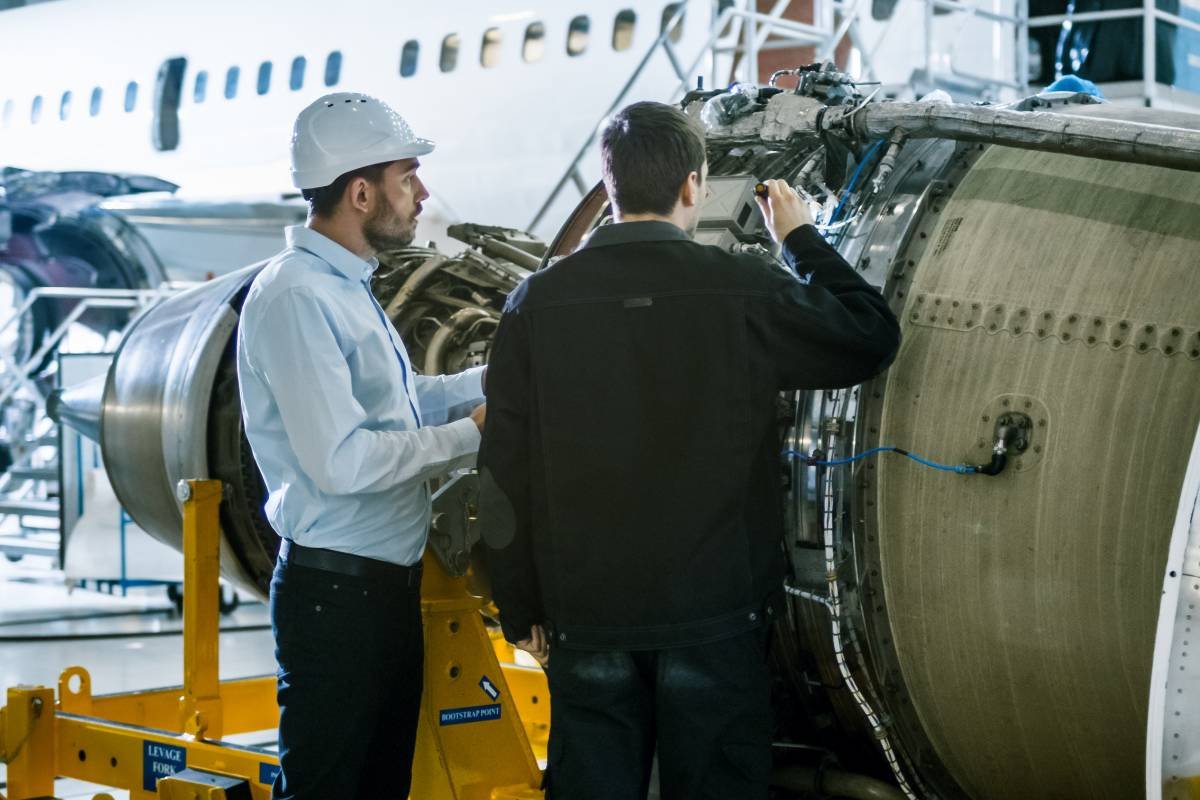
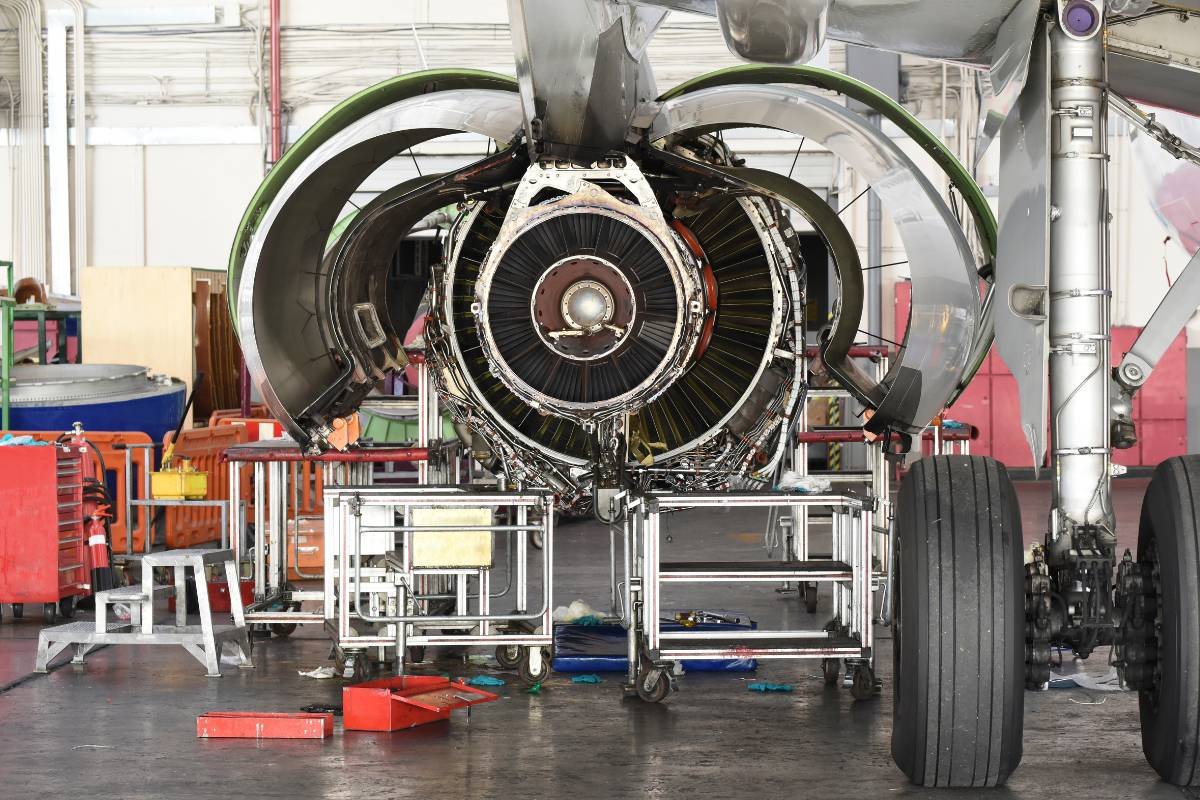
Salt Lake Community College (SLCC) offers the Aviation Maintenance Technician program at its Westpointe Workforce Training & Education Center. This FAA Part 147 program prepares students for the Airframe and Powerplant exams through a competency-based curriculum. Students work in a modern facility with advanced equipment, learning to maintain and repair complex aircraft systems. SLCC supports the vibrant aviation sector in Utah, supplying technicians to international airports and regional defense contractors.
Category: Aviation Maintenance Technician School
-
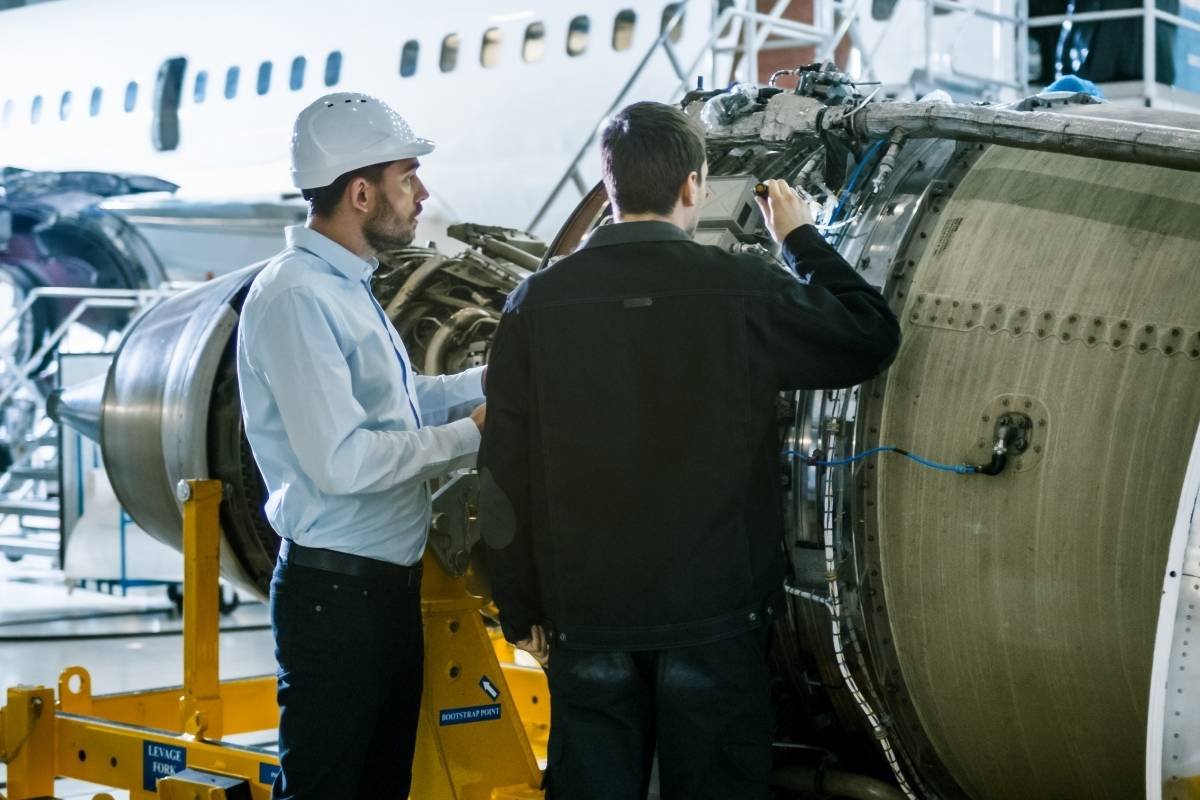
Southern University at Shreveport
Southern University at Shreveport (SUSLA) offers an Airframe and Powerplant Maintenance program aimed at students who want to build technical skills for aviation maintenance careers and prepare for FAA licensing. On the program page, SUSLA frames the curriculum as aerospace-technology training that helps students develop the knowledge and expertise needed for maintenance work in a regulated environment. The school emphasizes that aircraft maintenance technicians keep aircraft in peak operating condition through scheduled maintenance, repairs, and inspections as required by the FAA. That framing is important: aviation maintenance is as much about discipline, documentation, and compliance as it is about mechanical skill, and strong programs teach students how to work safely and consistently under FAA standards.
SUSLA’s program is identified as a certificate and is described as being structured as a certification course designed to prepare students for obtaining their FAA license. In practice, that means the program is built around the core A&P body of knowledge and hands-on tasks that students need to demonstrate during FAA oral and practical exams. For a student, the day-to-day experience in a certificate A&P pathway commonly includes a mix of classroom instruction and shop/lab activities: learning aircraft hardware and materials, corrosion control, sheet metal skills, structural repairs, engine theory, inspection methods, and the systems knowledge that supports troubleshooting and component replacement.
SUSLA also notes that students are expected to pursue aerospace technology courses on a continuous basis and that special course scheduling may be necessary to maintain training continuity between academic and technical components. This is a useful signal for prospective students: A&P training is sequential, and gaps in attendance can make it harder to retain key concepts and shop procedures. Students considering SUSLA should plan for consistent participation across the full sequence so that progress toward FAA eligibility stays on track.
Location can matter as well. SUSLA operates an Aerospace Technology Center at the Shreveport Downtown Airport, which houses training areas for the aerospace technology program. Training in an airport-adjacent setting can improve relevance and networking, because students are closer to aviation employers, aircraft activity, and maintenance culture. SUSLA also highlights employment-related links and partnerships, including a news item referencing a maintenance pathway partnership with PSA Airlines, which can be a positive indicator for students seeking clearer job pipelines.
If you’re evaluating SUSLA, the best next step is to ask the program for current start dates, weekly schedule, total program length in months, total clock hours, and a clear cost estimate (tuition, fees, and tools). Because the website emphasizes flexible or special scheduling needs, it’s also smart to ask how cohorts progress, what attendance expectations exist, and how the school supports students preparing for the FAA exams. For students in the Shreveport region who want a certificate-focused route into A&P careers, SUSLA positions its program as a structured pathway toward FAA licensing and entry-level maintenance employment. -
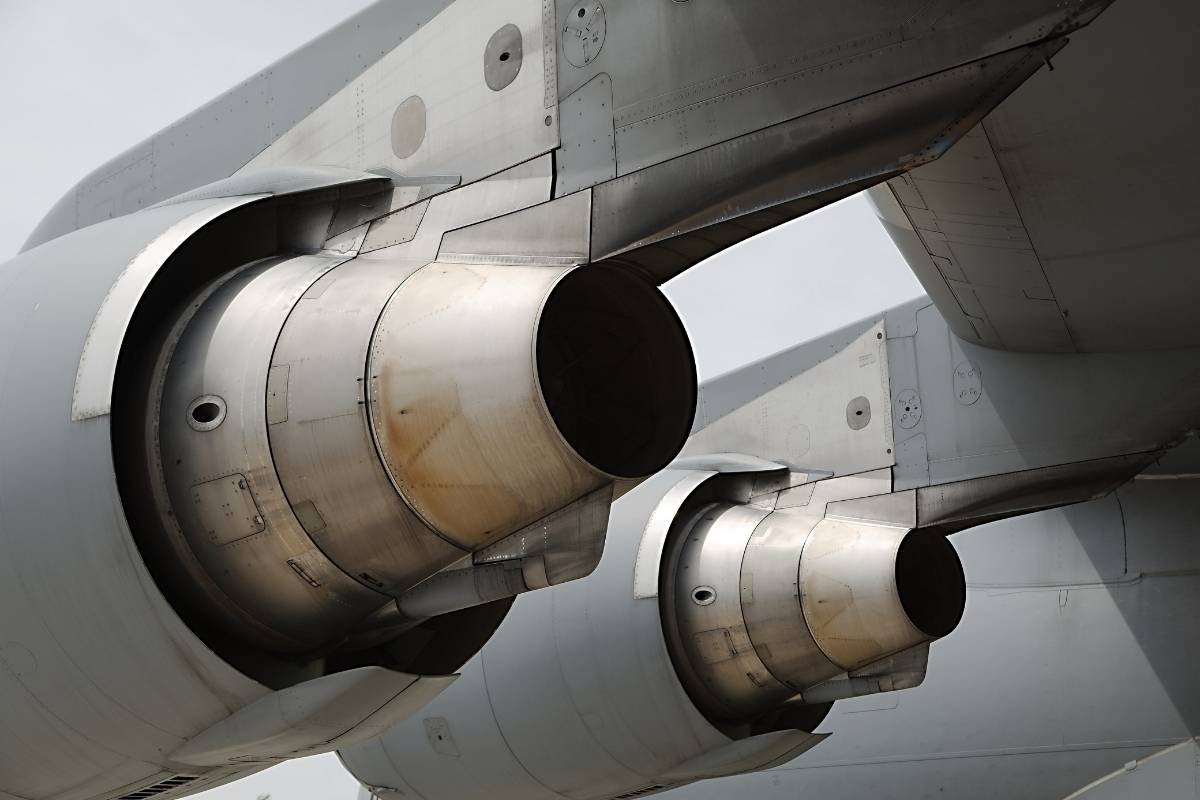
University of Alaska Fairbanks
University of Alaska Fairbanks (UAF) offers an FAA-certified Aviation Maintenance Technology program through its Community and Technical College, located at a dedicated 25,000-square-foot facility at Fairbanks International Airport. The program is specifically tailored to the Alaskan aviation market, offering specialized training in fabric covering, aircraft welding, and remote maintenance operations. Students can pursue both Associate of Applied Science degrees and certificates, training on a fleet that includes helicopters, King Air aircraft, and a Boeing 727.
The UAF program uses a cohort-based model, ensuring small class sizes and personalized instruction from FAA-certified faculty who are industry veterans. The intensive curriculum covers the repair, overhaul, and modification of airframes and powerplants, preparing students for the full suite of FAA licensure exams in as little as one year for the certificate track. By focusing on the practical skills most in demand by Alaskan carriers, UAF produces technicians who are ready for immediate entry into the workforce. The program’s location at a major international airport provides students with a realistic and immersive environment, bridging the gap between classroom theory and real-world shop practice.
-
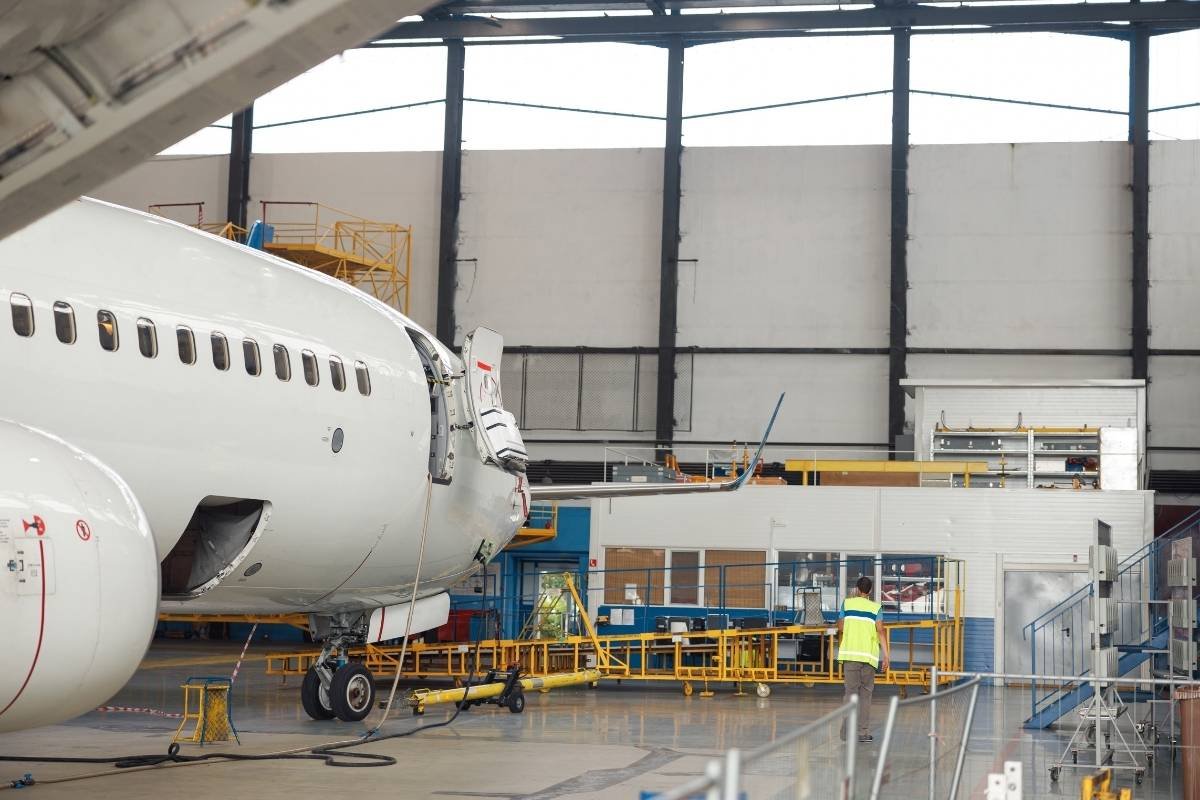
Antelope Valley College
Antelope Valley College (AVC) in Lancaster, California, hosts one of the few community college programs in the nation offering advanced instruction in composites fabrication and repair. As an FAA Part 147 certified facility located in the heart of “Aerospace Valley,” AVC is strategically positioned to train students for roles with legendary aerospace firms such as Northrop Grumman, Lockheed Martin, and NASA. The program leads to Airframe and Powerplant (A&P) certification, with a curriculum that reflects the cutting-edge needs of the advanced manufacturing and defense sectors.
Beyond the traditional A&P training, AVC offers a unique bachelor’s degree in Airframe Manufacturing Technology, providing a higher-level educational track for technicians seeking to work in aircraft design and production. The college’s facilities feature specialized labs for sheet metal, composites, and electronics, allowing students to work with the same materials and processes used on modern stealth and commercial aircraft. AVC’s strong ties to the neighboring Edwards Air Force Base and Plant 42 ensure that graduates are at the forefront of the aerospace workforce, prepared for high-stakes roles in the global aviation industry.
-
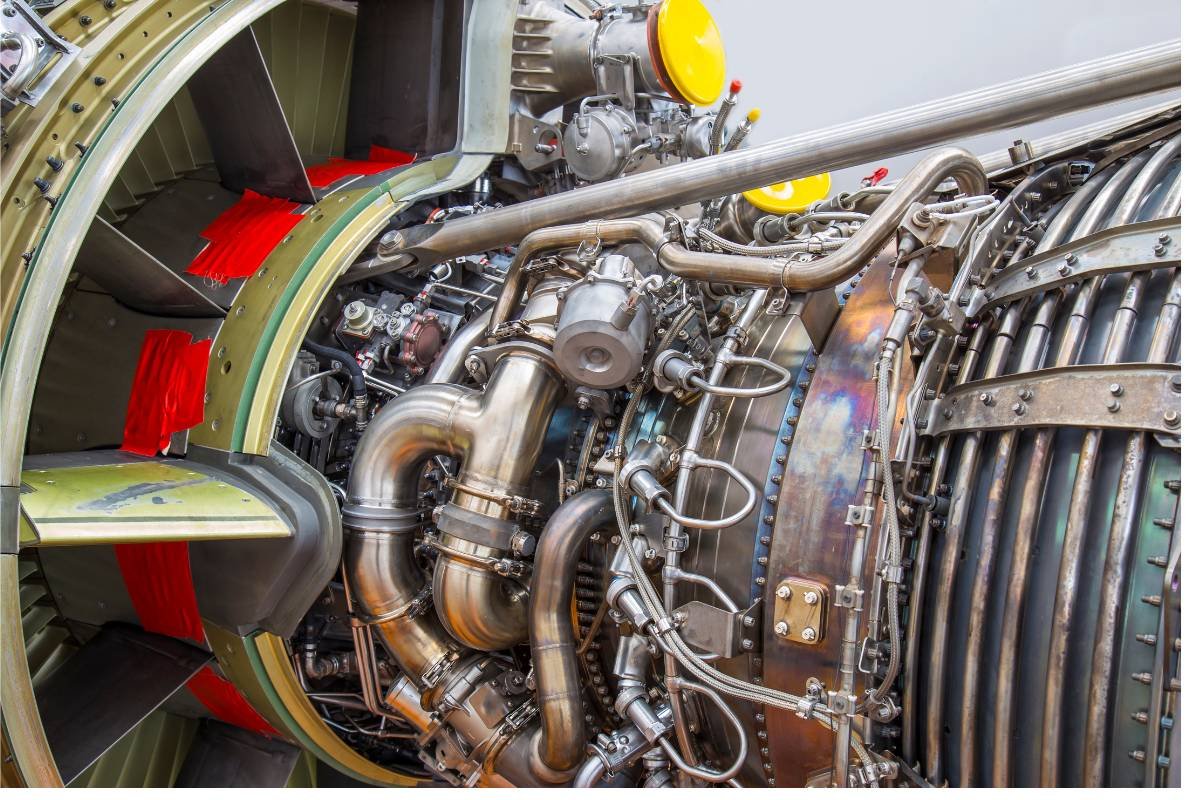
Aviation Institute of Maintenance – Norfolk
The Aviation Institute of Maintenance (AIM) in Norfolk, Virginia, is part of one of the largest networks of aviation maintenance schools in the United States. Located in a region with a deep naval and commercial aviation history, the Norfolk campus offers an FAA-certified Part 147 program that specializes in Airframe and Powerplant (A&P) certification. The school features a robust training facility where students gain the mechanical and diagnostic skills most in demand by major airlines, corporate flight departments, and regional MROs.
AIM Norfolk’s curriculum is focused on moving students into the aerospace workforce quickly and effectively. Students work through modules covering aircraft structures, electrical systems, and propulsion, with an emphasis on both classroom theory and practical application. The school’s dedicated career services team works with a wide range of industry partners to provide students with job placement opportunities and career development. Graduates are prepared for the high stakes of aviation maintenance, possessing the technical competence and professional mindset required to ensure the continued safety and reliability of modern aircraft.
-
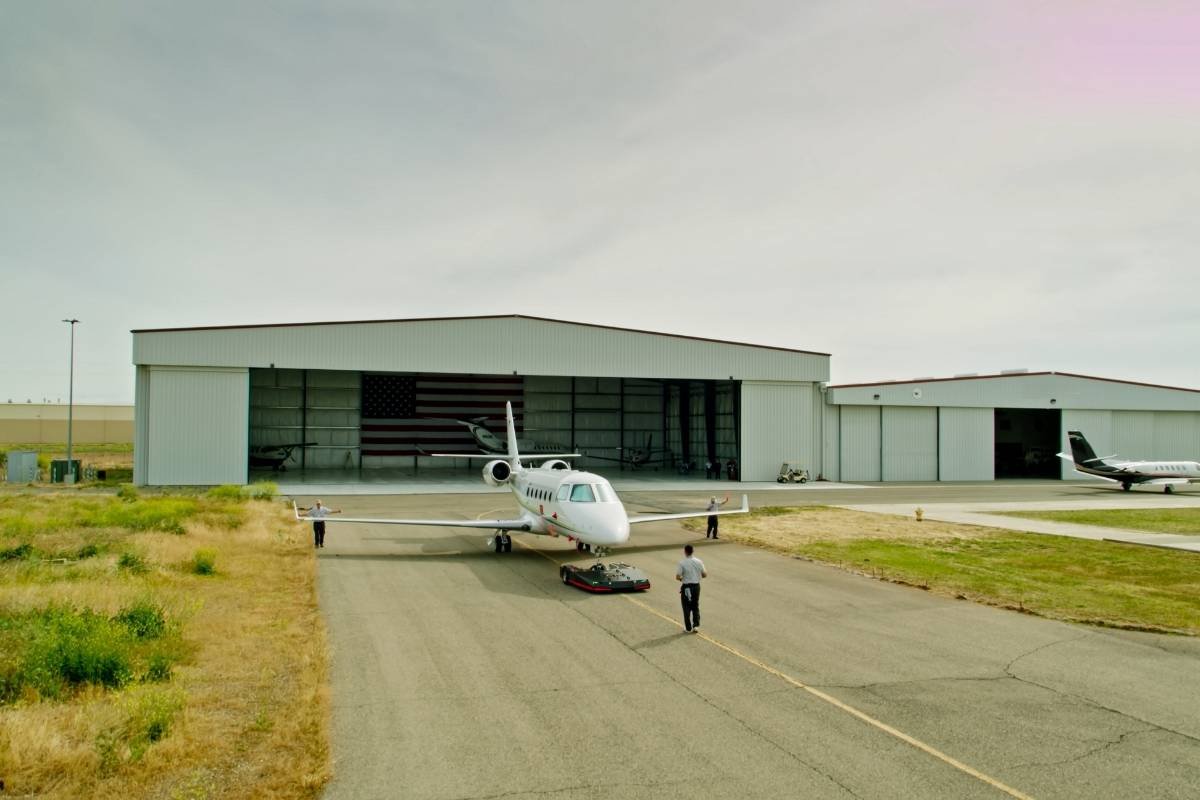
Central Georgia Technical College
Central Georgia Technical College (CGTC) offers Aviation Maintenance Technology training through its Aerospace Training and Sustainment Center (ATSC) in Macon, Georgia. The program is an FAA Part 147 certificated Aviation Maintenance Technician School (AMTS), which means the coursework is built to meet FAA training standards and can prepare qualified graduates to pursue the FAA mechanic certification process for Airframe and Powerplant ratings. A standout feature is CGTC’s publicly stated partnership with Delta Air Lines Technical Operations (Delta TechOps), positioned as a pipeline to train and identify future aviation maintenance talent for one of the industry’s largest maintenance organizations.
The ATSC program footprint is based at Middle Georgia Regional Airport facilities, with CGTC listing two buildings in Macon used for aviation training. Students can expect a curriculum that covers the core maintenance knowledge areas employers expect from entry-level technicians: maintenance regulations and documentation, aircraft systems, electrical and avionics fundamentals, powerplant theory and troubleshooting (reciprocating and turbine), fuel and ignition systems, propellers, and inspection practices. In practical terms, the training is designed to build habits that translate to hangar work: using manuals correctly, following procedures, applying safety practices, measuring and inspecting components, and documenting maintenance actions accurately.
CGTC lists multiple credential options under Aviation Maintenance Technology, including degree, diploma, and certificate pathways. If you are comparing schools, CGTC is a good fit for students who want a structured program at a public technical college and who value clear industry connections in Georgia. Because FAA testing and mechanic certificates involve both knowledge and practical testing, students should plan time for exam preparation and understand what expenses are covered by the school versus the FAA testing process. CGTC also notes admissions requirements such as a high school diploma or GED and minimum age requirements consistent with technical college admissions.
For prospective students, a practical next step is to review CGTC’s program pages for the specific Aviation Maintenance credential you want (degree, diploma, or certificate), confirm start terms and course sequencing, and contact the program leadership to discuss entry timelines and expectations. CGTC lists a program chair contact for Aviation Maintenance Technology, which is helpful if you have detailed questions about the training facilities, tool requirements, exam preparation, or how the Delta TechOps partnership impacts opportunities during or after the program. In addition to core technical training, students should ask about opportunities for work-based learning, internships, or employer visits, since those experiences can accelerate job readiness. Also confirm whether the program is offered primarily in daytime blocks and whether summer or fall entry terms are required so you can plan around work or family obligations.
-

Craven Community College
Craven Community College, located in New Bern, North Carolina, offers an FAA-certified Aviation Systems Technology program that serves as a primary training hub for the regional aerospace industry. The program provides multiple credentials, including an Associate in Applied Science degree and specialized diplomas in Airframe and Powerplant maintenance. Craven is known for its immersive training environment, where students utilize advanced simulators and actual aircraft to master the rigorous standards of the FAA.
The curriculum at Craven covers a comprehensive range of subjects, from aviation mathematics and federal regulations to advanced composite repair and engine troubleshooting. The program emphasizes both technical execution and meticulous documentation, ensuring that graduates are prepared for the high-accountability world of aircraft maintenance. With specialized tracks for military personnel and strong transfer agreements with four-year universities, Craven Community College provides a versatile and highly respected pathway for aspiring mechanics and aviation managers alike.
-
Gavilan College
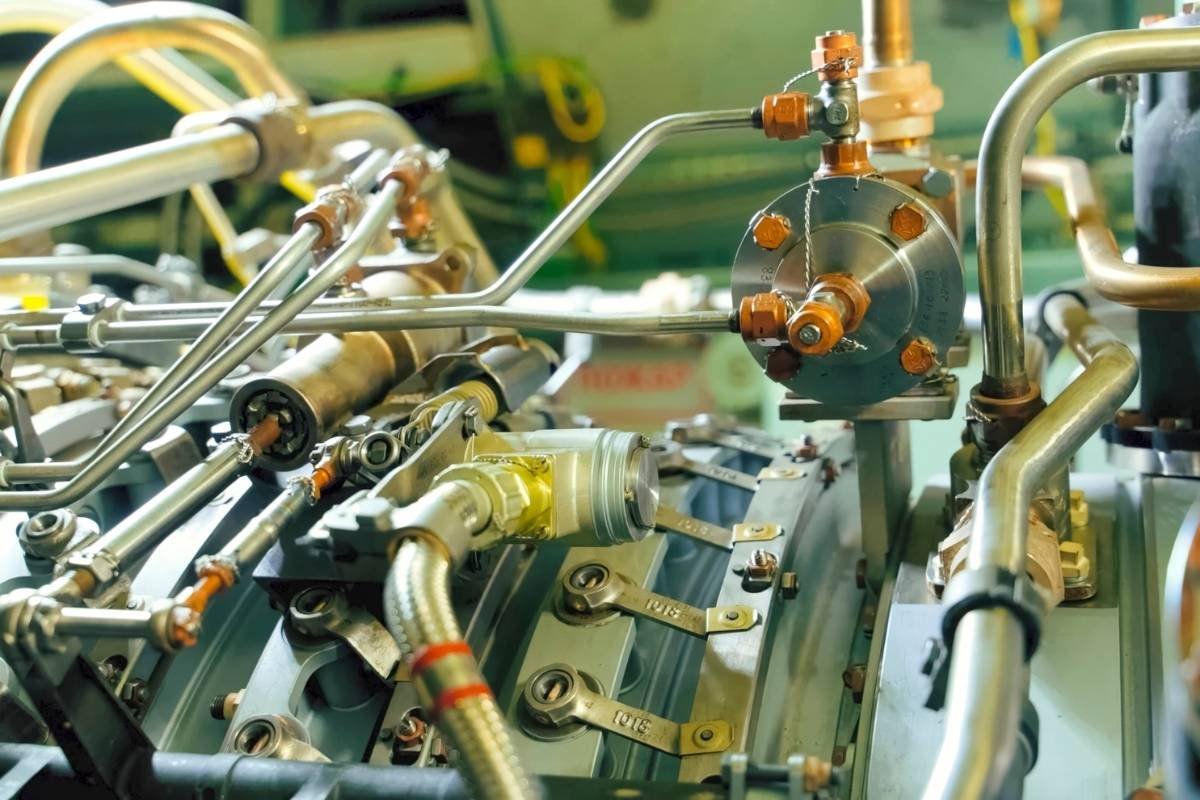
Gavilan College, located in Gilroy, California, offers an FAA-approved Aviation Maintenance Technology program at its dedicated facility at the San Martin Airport. The program is distinguished by its focused learning environment and its comprehensive coverage of both airframe and powerplant mechanics. Gavilan’s curriculum is designed to move students through the required FAA training hours efficiently while ensuring a deep mastery of aircraft structures, electrical systems, and propulsion.
The program at Gavilan emphasizes the craft of the mechanic, focusing on safety, precision, and regulatory compliance. Students gain hands-on experience in a real-world airport setting, which helps bridge the gap between classroom theory and professional practice. Graduates of Gavilan’s AMT program are well-positioned for careers in California’s vibrant general aviation and corporate flight sectors, as well as roles with major commercial carriers. The school’s reputation for producing reliable, technically sound technicians makes it a cornerstone of the regional aerospace training infrastructure.
-
Iowa Western Community College
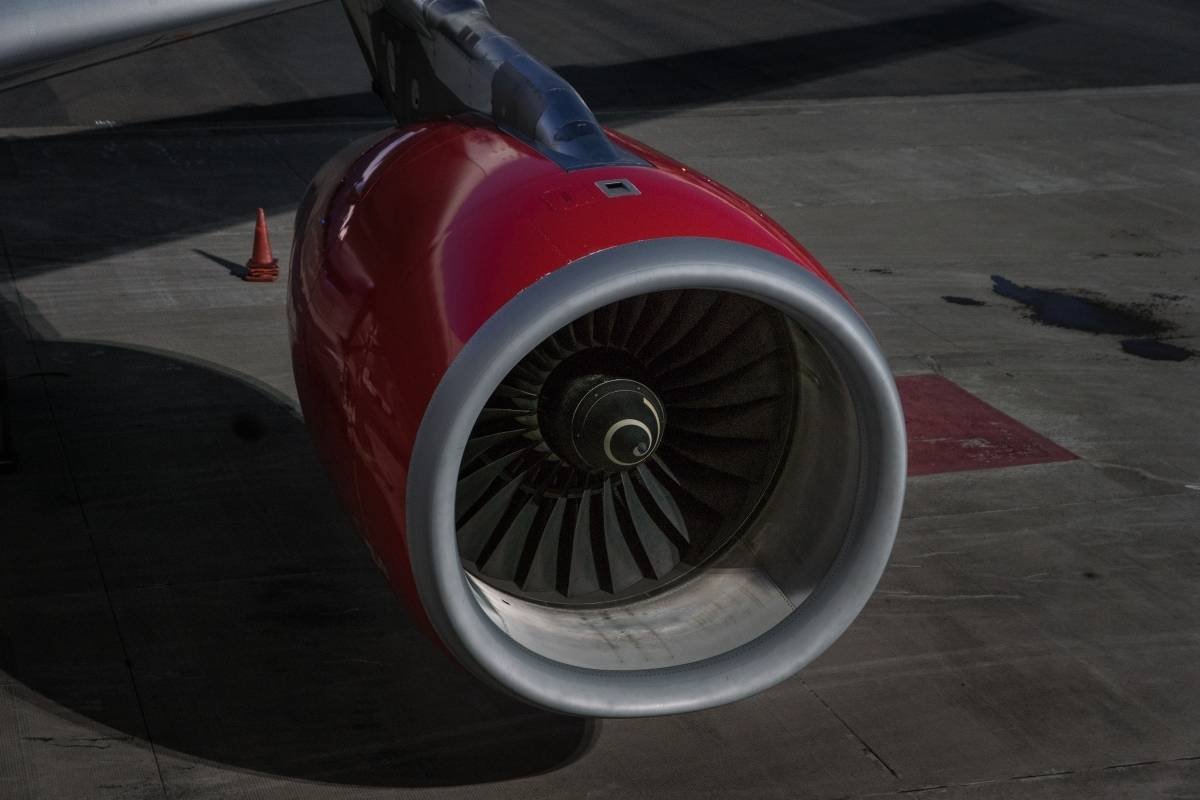
Iowa Western Community College (IWCC) offers an Aviation Maintenance Technology Associate of Applied Science (A.A.S.) program based in Council Bluffs, Iowa. As a community college program, it is structured to provide career-ready technical training while also awarding a college credential that can be valuable for long-term advancement. Aviation maintenance programs leading toward A&P outcomes are demanding by design: they combine classroom learning with extensive hands-on lab work, and they require consistent participation to build competency across a wide set of systems and procedures.
In an AAS aviation maintenance pathway, students typically begin with fundamentals: aviation regulations, safety, maintenance practices, and the documentation standards that guide legal maintenance work. From there, training expands into aircraft structures and systems, inspection techniques, basic electricity and aircraft wiring, and the mechanical systems technicians encounter daily. Powerplant training usually covers both reciprocating and turbine engine fundamentals, fuel and ignition systems, engine inspection, and propellers. Airframe training often includes structures, hydraulics, flight controls, landing gear concepts, and electrical/instrument systems. The goal is not just technical knowledge, but disciplined execution: using manuals correctly, following standard practices, measuring accurately, and documenting work with precision.
For prospective students, the most important evaluation steps are confirming FAA alignment and understanding how the program supports the pathway to Airframe and Powerplant certification. Ask about eligibility for FAA knowledge and practical testing, the school’s support for exam preparation, and what costs students should plan for outside tuition (tools, books, PPE, and testing fees). Also ask about the daily lab schedule and the typical time to completion in months for full-time students.
Council Bluffs is positioned within the broader Omaha metro area, which can expand access to aviation-related employers and support services. If you are comparing programs across states, consider whether you want the traditional two-year associate schedule or an accelerated timeline, and how that timeline interacts with your work and family obligations. A good next step is to review IWCC’s aviation maintenance program page for admissions steps and then contact the college for the current cohort start dates and scheduling. Choosing an AMT program is largely about fit: the best option is the one that gives you enough lab access and instructor support to confidently master the skills you will be expected to use on day one in a maintenance environment. If your goal is to work for an airline or a large repair station, ask the program about partnerships, guest speakers, or recruiting events. If you prefer general aviation, ask about how much training time is spent on small-aircraft systems and sheet metal skills. Matching the program emphasis to your intended career segment can make your first job search much easier.