
Category: Aviation Maintenance Technician School

  • Moody Bible Institute, Moody Aviation

    Moody Bible Institute, Moody Aviation

    Moody Aviation in Spokane, Washington is a distinctive option for students who want aircraft maintenance training in a mission-focused environment, with academics that integrate technical preparation and faith-based formation. Based at 6719 E. Rutter Ave., Spokane, WA 99212, Moody Aviation is known in the mission aviation community for training pilots and maintenance specialists to serve in challenging operational settings around the world.

    For students focused on maintenance, Moody offers a bachelor’s pathway in Missionary Aviation Technology Maintenance that is designed to develop both the professional competence and the character needed for long-term service. On the technical side, the maintenance track is oriented around the knowledge and practical skill needed to pursue FAA Airframe and Powerplant (A&P) certification eligibility, building competence in inspection, troubleshooting, repairs, and maintenance practices that align with aircraft airworthiness standards. While many AMT programs are narrowly career-trade focused, Moody’s maintenance training is intentionally paired with Bible training and ministry preparation, which can be a major differentiator for students who want their aviation skills to support humanitarian or mission work.

    Moody’s environment also tends to appeal to students who value a tight-knit training culture. Mission aviation maintenance often requires a broad, adaptable skill set: maintaining aircraft with limited resources, working safely and methodically, and supporting flight operations where reliability is critical. A maintenance-focused program in this space typically emphasizes fundamentals like documentation, regulatory awareness, inspection discipline, and systematic problem-solving, because those habits translate across aircraft types and operating conditions. In addition to maintenance learning, students benefit from being around other aviation students (including pilots), which reinforces real-world coordination between maintenance and flight operations.

    Because Moody is a bachelor’s pathway, students should expect a multi-year academic timeline that blends general education, theology/Bible coursework, and aviation maintenance training. Prospective students should contact Moody Aviation directly for the latest curriculum sequencing, the exact A&P testing eligibility pathway, program-specific costs, and housing options, since these details can change over time and may differ by student path.

    Moody Aviation is a strong fit for students who want more than a trade credential alone: it’s for those who want aviation maintenance training that supports global service, who are comfortable in a faith-based academic community, and who want to graduate with a Bachelor of Science while preparing for the practical expectations of maintaining aircraft in mission-oriented operations.
  • Cape Cod Community College

    Cape Cod Community College

    Cape Cod Community College (CCCC) features an FAA-approved Aviation Maintenance Technology program located at the Plymouth Airport in Massachusetts. This program is distinguished by its use of advanced training technology, including one of only four Airbus aircraft simulators in the United States, providing students with hands-on experience with over 1,200 aircraft components. CCCC offers both an Associate of Applied Science degree and a one-year Airframe certificate, focusing on producing technicians who can meet the high demand of the regional and national aerospace industries.

    The curriculum is structured into General, Airframe, and Powerplant modules, covering everything from aviation human factors and composite structures to complex jet engine inspections. Students benefit from the immersive environment of an active airport, gaining a first-hand understanding of the safety and management roles within the industry. By focusing on both mechanical troubleshooting and regulatory compliance, the college ensures its graduates are well-prepared for the FAA licensure process. Cape Cod Community College’s program serves as a vital workforce pipeline, providing students with a direct route to professional and leadership careers in aviation maintenance.

  • Dallas College

    Dallas College

    Dallas College’s Aviation Maintenance Technology program is built for students who want an efficient, career-first route into aircraft maintenance in one of the country’s busiest aviation regions. Delivered through the Workforce Center at RedBird, the program is designed to prepare learners for the FAA General, Airframe, and Powerplant (A&P) exams and help them enter the maintenance, repair, and overhaul (MRO) workforce with practical, job-ready skills. Dallas-Fort Worth is a major aviation hub, and Dallas College leans into that reality by emphasizing short, workforce-aligned credentials developed with local employer input.

    At a glance, Dallas College describes the program as a 13-month pathway that awards three certificates and includes a published tuition figure for local residents. The certificates map to the A&P progression: a General certificate, an Airframe certificate, and a Powerplant certificate. This structure is useful because it breaks the journey into clear milestones students can track progress, stay motivated, and demonstrate incremental achievement as they build toward full A&P readiness. The school also lists shorter completion timelines for individual certificates, which can be helpful for students who need to step into work sooner or who want to approach training in stages.

    Training is positioned as hands-on and skills-based. In aviation maintenance, that’s critical: employers don’t hire technicians to recite theory; they hire them to follow procedures, interpret manuals correctly, troubleshoot efficiently, and document work accurately. A strong AMT program teaches students to combine mechanical skill with the discipline of regulatory compliance. Dallas College’s program framing centers on that blend technical training plus readiness for FAA exam requirements. Because the program indicates pending FAA approval on its overview page, prospective students should confirm current FAA Part 147 status directly with the program team, but the curriculum goal is clearly aligned to A&P exam preparation.

    Location is another differentiator. The Workforce Center at RedBird is a dedicated workforce training site with a clear focus on career outcomes, and it’s positioned to serve students across southern Dallas County and the wider metro area. For students, that means an environment that’s designed around practical training rather than traditional campus life. It’s commuter-friendly and oriented toward get the credential, get the job momentum.

    If you’re looking for a fast, structured pathway into aviation maintenance especially if you live in the DFW region and want a program built around workforce credentials Dallas College’s Aviation Maintenance Technology program offers a clear timeline, defined certificate milestones, and an A&P-focused training outcome.

  • Florida State College at Jacksonville

    Florida State College at Jacksonville

    Florida State College at Jacksonville (FSCJ) provides aviation training through its Cecil Center campus, which houses the college’s aviation programs. For students pursuing an aviation maintenance career, FSCJ’s Aviation Maintenance Management associate program is an option that combines academic coursework with the technical foundation needed in maintenance environments. FSCJ frames this as an associate-level pathway that connects aviation maintenance knowledge with broader skills in operations, organization, and professional practice-useful for students who want the A&P testing pathway as well as longer-term growth opportunities in supervision, quality, or maintenance management roles.

    Because aviation maintenance is a regulated trade, the most important question for any school is: “Does this program make me eligible to test for the FAA mechanic certificate?” FSCJ’s aviation offerings are concentrated at Cecil Center, and prospective students should confirm the exact set of courses they need for Airframe and Powerplant eligibility, the sequence for General/Airframe/Powerplant content, and whether the program is delivered through a Part 147-approved curriculum or through a combination of programs and pathways. A smart way to validate fit is to ask admissions (or the aviation department) to map your planned course sequence to your intended testing goal (Airframe & Powerplant) before you enroll. turn15search2

    Location and access are also a practical advantage here. Cecil Center is explicitly positioned as the home for FSCJ’s aviation programs, and the campus contact details are straightforward-helpful for students who want to schedule a visit, talk through prerequisites, or understand timelines and start terms.

    In your day-to-day experience, an aviation maintenance student should expect a mix of technical study and applied learning. On the technical side, that includes maintenance publications and regulations, electricity and basic electronics, hydraulics/pneumatics, inspection standards, corrosion control, and aircraft systems fundamentals. On the applied side, it’s about learning how maintenance actually works: safe tool practices, repeatable procedures, documentation discipline, and troubleshooting logic. If you plan to work while in school, ask FSCJ about course availability by term and the typical weekly lab schedule so you can understand whether your plan is truly “day,” “evening,” or a mix across semesters.

    FSCJ is a strong candidate for students who want a college environment with aviation programs housed at a dedicated campus, and who value an associate degree structure in addition to the maintenance technical pathway. When you compare it to other options, focus on three decision points: (1) confirmed FAA eligibility for the rating(s) you want, (2) the time-to-completion for your planned sequence, and (3) how much hands-on lab time you will get each week. If those line up with your goals, FSCJ can be a practical and flexible way to start building a career in aviation maintenance.

  • Indian Hills Community College

    Indian Hills Community College

    Indian Hills Community College (IHCC) offers an Aviation Maintenance Technology Associate of Applied Science (A.A.S.) program in Ottumwa, Iowa. IHCC describes the program as FAA approved and highlights that graduates earn both the college degree and preparation for the federal Airframe and Powerplant license pathway. The school provides several practical program details up front, including an entry term, an estimated total cost figure, and a published length of 7 terms, which the college equates to approximately 21 months. For students who want clear expectations about timeline and cost, that level of transparency is useful when comparing schools.

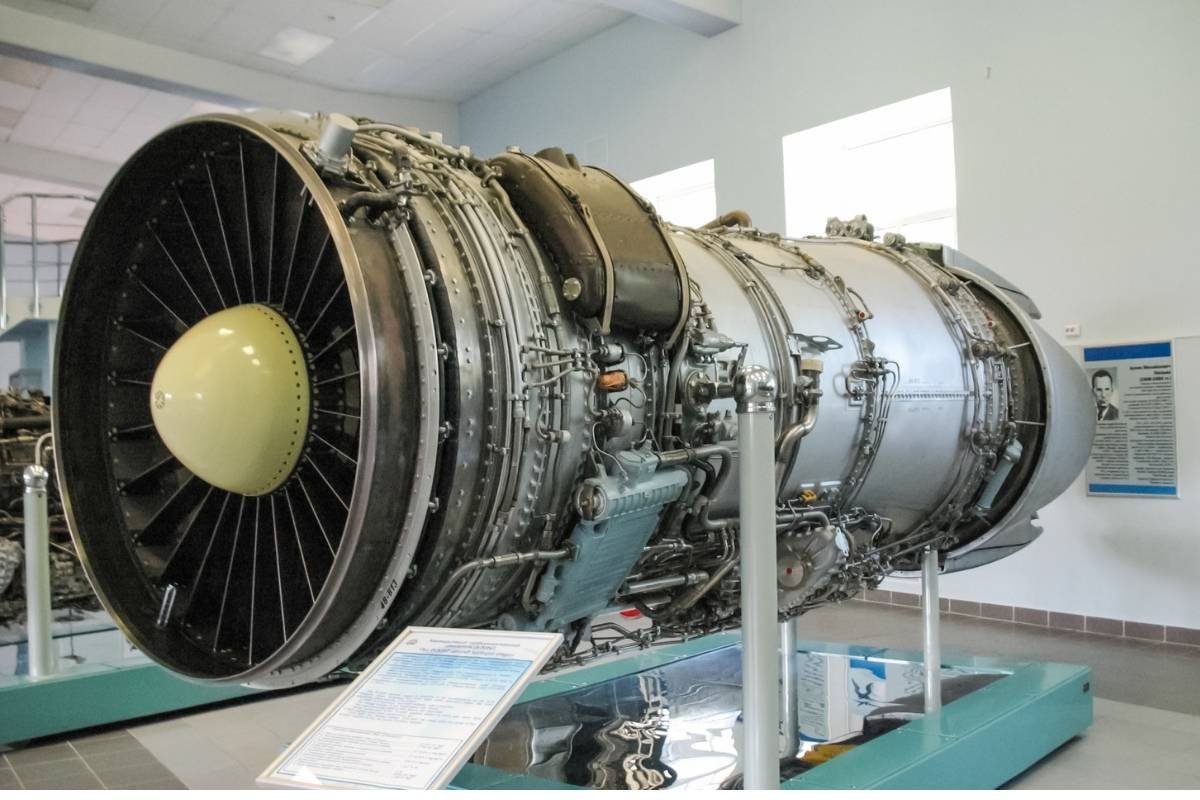
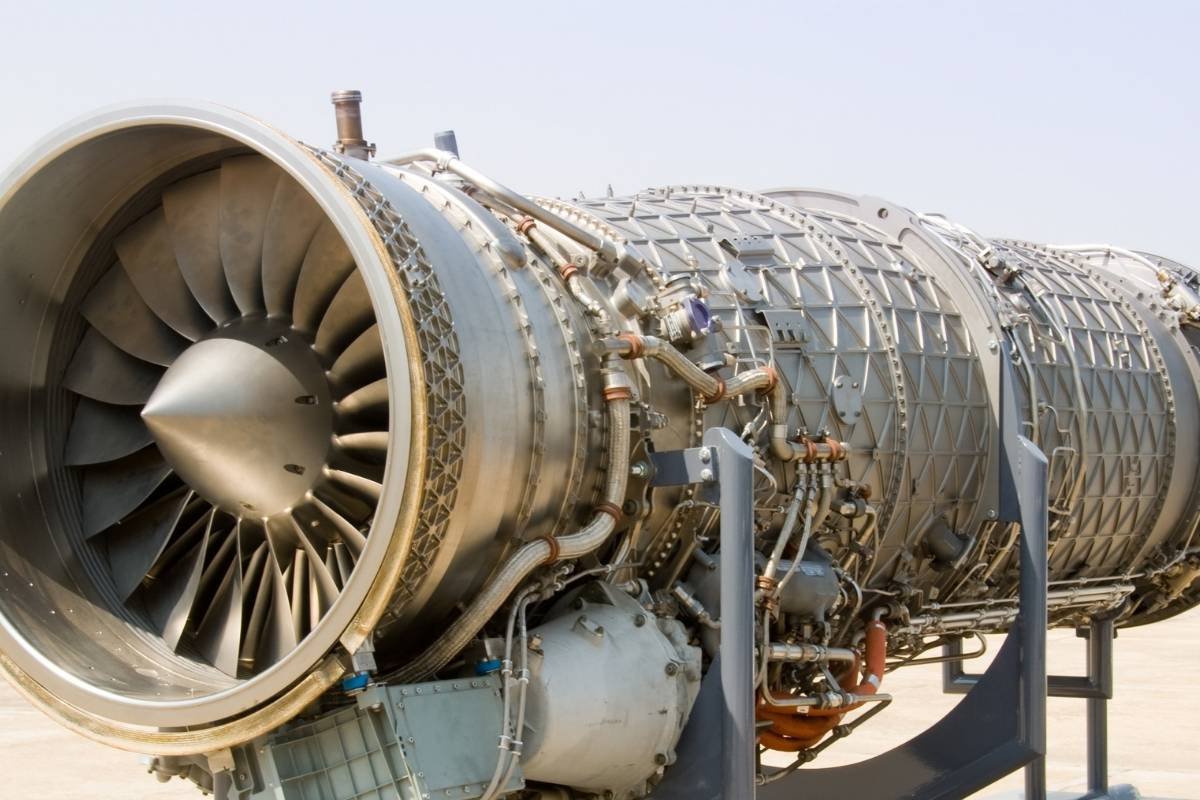
    An A&P-oriented aviation maintenance program is designed to build broad competence across aircraft systems. Students can expect to study maintenance regulations and compliance practices, safety and human factors, tools and materials, inspection and measurement techniques, and the documentation standards that keep aircraft legally airworthy. On the airframe side, students typically learn structures, control systems, hydraulics, landing gear concepts, and electrical and instrument fundamentals. On the powerplant side, students learn the fundamentals of reciprocating and turbine engines, fuel and ignition systems, propeller systems, and troubleshooting methods used to isolate faults efficiently. The outcome is a technician who can work methodically, follow procedures, and communicate clearly about maintenance actions.

    IHCC also notes location and campus context, identifying the Ottumwa North Campus for the program. The ability to live on campus can matter in a time-intensive technical program, especially for students relocating from other parts of Iowa or from neighboring states. If you are weighing options, ask about lab time expectations and the typical weekly schedule, since “flexible schedules” can mean different things depending on course sequencing and lab capacity. Clarify whether the program is primarily daytime, whether any evening labs exist, and what the attendance expectations are for hands-on portions.

    A smart next step is to use IHCC’s program page to request information or apply, then speak with admissions and the program faculty about how they prepare students for FAA knowledge and practical testing. Ask what tools, books, and personal protective equipment you will need, whether those costs are included in the total cost estimate, and what support is available for exam prep. Also ask about local employer relationships and the types of placements graduates typically pursue, such as general aviation shops, regional airline maintenance, corporate aviation, or repair stations. With a published 21-month length, the program can be a strong fit for students who want an associate degree plus an accelerated timeline compared with a traditional two-year track.

  • Lively Technical College

    Lively Technical College

    Lively Technical College in Tallahassee, Florida offers FAA-aligned aviation maintenance training through dedicated Aviation Airframe Mechanics and Aviation Powerplant Mechanics certificate programs. Together, these two tracks form a clear pathway to the Airframe & Powerplant (A&P) credential: students complete a common Aviation Maintenance General Technician core and then add the Airframe and Powerplant occupational completion points to meet FAA requirements for testing. Lively’s program pages make this structure easy to understand, which is helpful for students who want to plan their training sequence and budget from day one.

    Both the Airframe and Powerplant programs are listed at 1,350 clock hours each. The pages also explain that a student who completes one rating can enroll for an additional 810 hours to add the other rating effectively building from a single rating to the full A&P. Because the general core is shared, this stackable format gives students flexibility: some may start with one rating based on career goals or finances and then return to complete the second rating when ready.

    Lively is notably transparent about costs. The school publishes estimated totals for each 1,350-hour program, including Florida resident tuition calculated per hour and itemized fees (books, registration, facility usage, lab fees, and miscellaneous fees). The page also provides an explicit estimate for the additional 810 hours required to continue into the second rating, which makes it easier to forecast the total investment for a complete A&P path rather than guessing from a catalog.

    From a location and training environment perspective, Lively lists a dedicated Aviation Campus in Tallahassee, separate from the main campus. This signals that aviation students are training in a setting designed for aircraft maintenance instruction, with the equipment and space needed for airframe structures, systems, and powerplant work. The program pages emphasize preparation for FAA licensing exams and include detailed what you’ll learn lists that cover everything from maintenance publications and records to airframe systems, electrical, fuel, hydraulics, and engine-related systems, reinforcing that the curriculum is comprehensive and FAA-centered.

    Operational details such as hours of operation (weekday daytime) are also published, helping students understand attendance expectations. The airframe page includes instructor contact information and an occupational advisory committee, which suggests ongoing input from industry and community stakeholders. Overall, Lively Technical College is a strong option for students seeking an affordable, transparent, FAA-aligned A&P pathway in North Florida, especially those who value a modular program structure and clear cost visibility.

  • U.S. Aviation Academy – Denton

    U.S. Aviation Academy – Denton

    U.S. Aviation Academy operates FAA Part 147 aviation maintenance training designed to prepare students for the Airframe & Powerplant (A&P) certificate through an accelerated, career-focused model. At the Denton area location, the program is positioned as an immersive pathway for career changers and aviation enthusiasts who want to move from training to employment faster than the traditional 21-24 month timeline often associated with many A&P schools. turn1search2

    Training model and what students do: Across its A&P program pages, U.S. Aviation emphasizes hands-on learning with real aircraft components and shop work, supported by classroom instruction aligned to FAA standards. The school highlights that its A&P curriculum is FAA Part 147 approved and that students work through the knowledge areas required for the FAA written tests and the oral and practical exams. The Denton program page also emphasizes that tools are provided for use during training, which can reduce a major out-of-pocket expense that students sometimes face at other schools. turn1search2

    Location and facilities: The Denton A&P training site is based at Denton Enterprise Airport (KDTO) in Denton, Texas. The published campus address and contact phone are provided on U.S. Aviation’s program pages, which is useful for prospective students comparing commute time, nearby housing options, and local aviation employers. turn1search2

    Schedule and program length: US Aviation lists an 8-month accelerated program, a 16-month night program, and also promotes a 13-month weekend option. In practical terms, this means many students can choose an accelerated daytime track if they can attend full-time, while others may be able to pursue a longer night or alternative schedule depending on what the campus offers at the time. For prospects, the right question to ask admissions is which start dates and schedules are currently running at this campus and what the expected weekly time commitment looks like for each option.

    Costs and approvals: Pricing is described as lower than competitors, with program costs commonly cited around the mid-$30k range on US Aviation’s A&P pages; confirm exact tuition/fees for Denton with admissions. turn1search2 VA approval is not stated on the Denton A&P page; confirm with admissions or veteran services. Because pricing and funding eligibility can change, it’s smart to ask for an itemized cost sheet (tuition, fees, books/materials, exam prep/testing, and any optional expenses). If you plan to use veteran education benefits, confirm GI Bill eligibility and campus approval status directly with the school before enrolling.

    Who this school fits best: U.S. Aviation Academy is best suited for students who want a faster A&P pathway, prefer a hands-on airport environment, and value a program that highlights tools-provided training and industry connections. If you’re highly motivated and can handle an accelerated pace, the Denton A&P program is positioned as a direct route into aircraft maintenance roles supporting airlines, charter operators, and aviation maintenance organizations. turn1search2

  • Moore Norman Technology Center

    Moore Norman Technology Center

    Moore Norman Technology Center (MNTC) offers an Aviation Maintenance Technology pathway in the Oklahoma City metro area with training built around FAA Part 147 requirements and a clearly defined schedule for adult students. The program is based at MNTC’s South Penn Campus (13301 S. Pennsylvania, Oklahoma City, OK 73170), and is designed for learners who want a structured, hands-on route into aviation maintenance work and A&P outcomes.

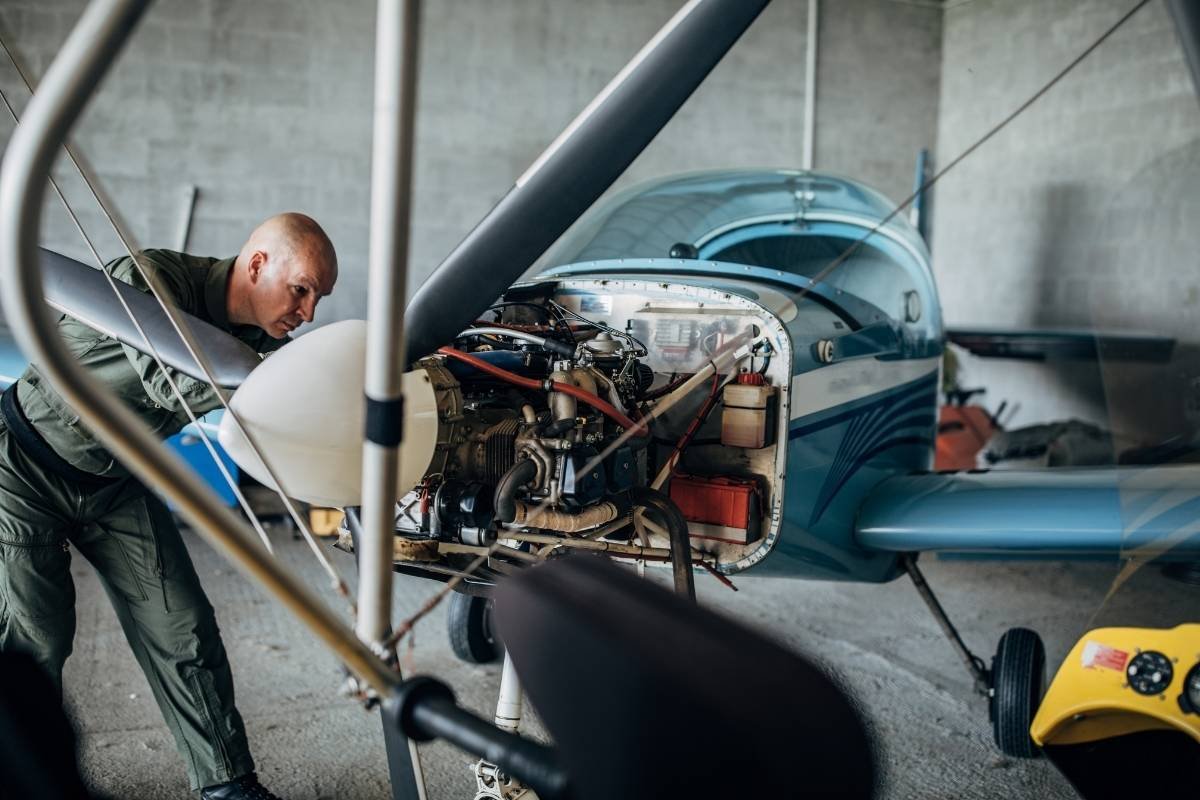
    MNTC’s program is explicitly aligned to the major knowledge and skill areas aircraft maintenance technicians use in the field: inspection, preventive maintenance, troubleshooting, and repair of aircraft structures and systems. Students train across the core maintenance domains so they can build competence in both airframe and powerplant-related work. The school describes the curriculum as FAA-approved and supervised, which is an important marker for students who are selecting an AMT program with an A&P testing goal in mind.

    A practical advantage is the published class schedule for the adult program. MNTC lists adult class days as Monday through Thursday, with times from 8:15 a.m. to 4:15 p.m. That four-day-per-week format can be attractive to students who need predictable planning for work, childcare, or commuting, while still committing to a full-time training schedule. MNTC also notes the program is completed in two years for adult students on the published schedule, providing a clear planning horizon. In addition, MNTC publishes program cost and hour information in its cost materials, including a stated program hour total and an estimated cost of attendance framework; this is helpful for students budgeting for tuition, supplies, and indirect costs.

    MNTC also operates both high school and adult career pathways, which speaks to a broader pipeline approach. Students who begin earlier can build foundational exposure before transitioning into adult continuation to complete full A&P preparation. For adult students entering directly, the program’s focus is on developing employable shop skills and the depth of knowledge needed for FAA exams and real-world maintenance work. Students can expect to practice core tasks such as basic aircraft servicing, systems checks, and hands-on work that builds mechanical confidence, attention to detail, and safety discipline qualities that employers rely on in maintenance environments.

    Prospective students should contact MNTC for the latest start dates, admissions requirements, tool expectations, and any updated cost sheets, since aviation programs often update equipment and requirements. Overall, Moore Norman Technology Center is a strong option for Oklahoma-area students who want a daytime, full-time structure, a program built around Part 147 alignment, and a two-year plan that supports A&P career goals.

  • Central Florida Aerospace Academy

    Central Florida Aerospace Academy

    Central Florida Aerospace Academy (CFAA) in Lakeland, Florida is a high school-focused aerospace academy that includes aviation maintenance-related coursework as part of a broader aviation and aerospace education pathway. Unlike a dedicated postsecondary FAA Part 147 A&P school, CFAA’s primary role is to introduce students to aviation careers and build foundational technical and professional skills that can support future training in aircraft maintenance, avionics, engineering, or flight. For students and families, the value proposition is exposure and early momentum. Coursework labeled “Aviation Maintenance” can help students understand the basics of aircraft structures and systems, safety culture, and the kind of disciplined thinking required in maintenance environments. In many cases, these programs also emphasize employability fundamentals: teamwork, communication, attention to detail, and professional behavior-traits that directly translate to hangar and line maintenance settings. Because this is a secondary program, prospective students should treat it as a career exploration and preparation step, not the final credential for FAA A&P licensing. The practical question to ask is: what comes next after graduation? Strong aviation academies typically have articulation relationships, dual-enrollment pathways, or clear pipelines into local technical colleges, community colleges, or industry partners. If the student’s goal is to become an A&P mechanic, CFAA can be a strong launch point, but the student will still need to complete an FAA-approved pathway (such as a Part 147 AMT program) or meet experience requirements to sit for FAA mechanic exams. Lakeland is an aviation-friendly area, and being in a community with active airport operations can provide students with field trips, guest speakers, and industry exposure. Those experiences matter because they help students identify which roles they are most interested in-structures, engines, avionics-adjacent work, quality assurance, or management. They also help students build confidence that the pathway is real and attainable. If you are considering CFAA as part of an AMT pipeline, verify the specific aviation maintenance courses offered, whether students can earn any industry-recognized credentials while enrolled, and whether there are internships, co-ops, or work-based learning options. Ask about the program’s outcomes: where graduates go next, what percentage enter technical aviation programs, and how the academy supports career placement or further education planning. If you are comparing A&P options, a practical way to evaluate fit is to confirm the FAA Part 147 approval status, ask how the curriculum is sequenced (General, Airframe, Powerplant), and request a calendar showing start dates and daily class times. You can also ask whether the school helps schedule FAA written, oral, and practical testing after each phase, what tools or uniforms are required, and what employers typically recruit from recent graduating cohorts. Finally, confirm total estimated costs (tuition, fees, books, tools) and whether financial aid, scholarships, veteran benefits, or payment plans are available for your situation. These details make it much easier to compare programs apples-to-apples and choose the path that matches your timeline, budget, and long-term career goals.

  • Del Mar College

    Del Mar College

    Del Mar College in Corpus Christi, Texas, offers an FAA-certified Aviation Maintenance Technology (AMT) program that provides both an Associate of Applied Science degree and specialized technical certifications. The program is specifically directed at preparing technicians for the high-demand roles of inspecting, repairing, and Maintaining civilian and commercial aircraft. The curriculum at Del Mar is noted for its breadth, covering everything from traditional wood and fabric structures to advanced composites, airframe electrical systems, and complex engine performance diagnostics.

    Students at Del Mar receive intensive hands-on instruction in a professional shop environment, where they master the mechanical precision required for FAA licensure. The program also offers a specialized track in Avionics Electronics Technology, focusing on the high-tech communication and navigation systems of modern aircraft. By integrating technical mastery with a strong foundation in aviation science and safety, Del Mar College produces well-rounded technicians who are ready for immediate entry into the workforce. The program serves as a vital anchor for the South Texas aerospace community, supporting regional air carriers, repair stations, and the growing aerospace sector.