Category: Aviation Maintenance Technician School

  • Warren Tech South

    Warren Tech South

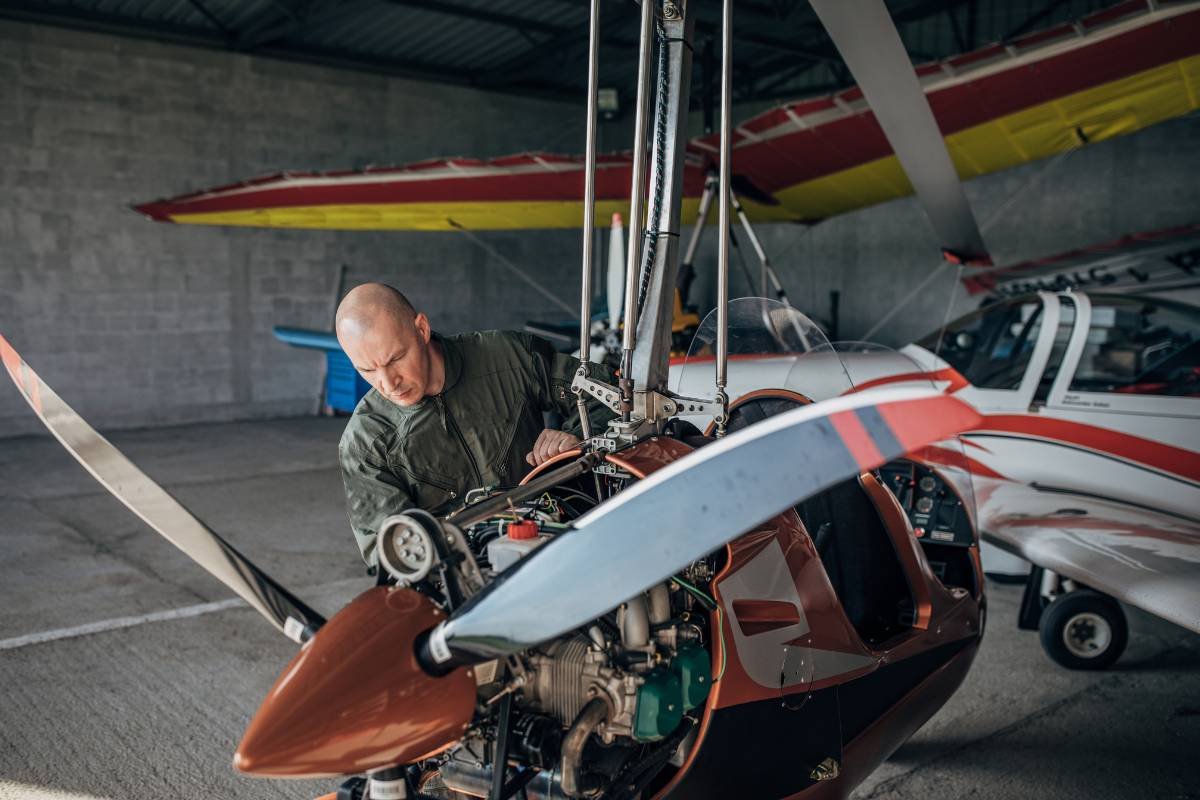
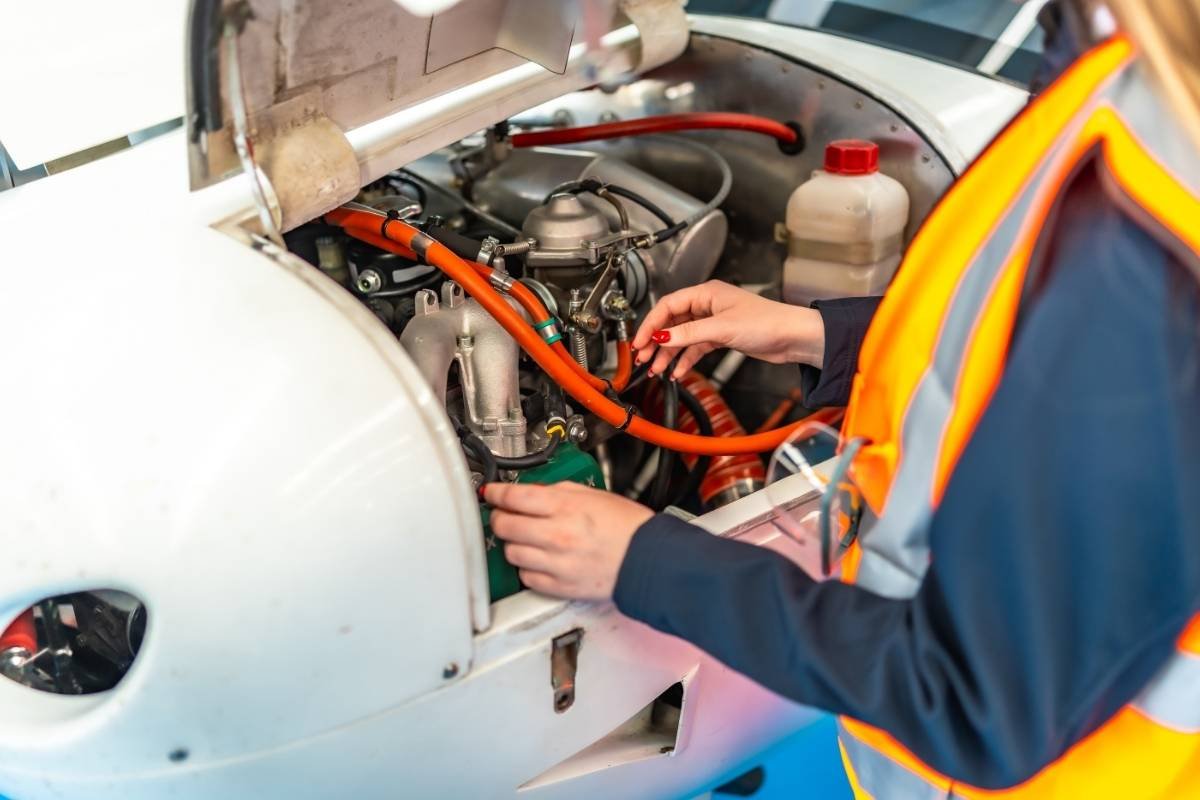
    Warren Tech South, part of Jeffco Public Schools in Colorado, offers an Aircraft Maintenance Technology program within its career and technical education (CTE) portfolio. The program is presented as a hands-on pathway for students who want to learn aircraft maintenance and repair in a practical setting, including working in a real aircraft hangar environment. Warren Tech’s program description emphasizes mechanical systems maintenance and repair and highlights the use of tools and real-world project work that mirrors the kind of environment students will encounter in aviation or aerospace maintenance roles. citeturn1search0turn1search16

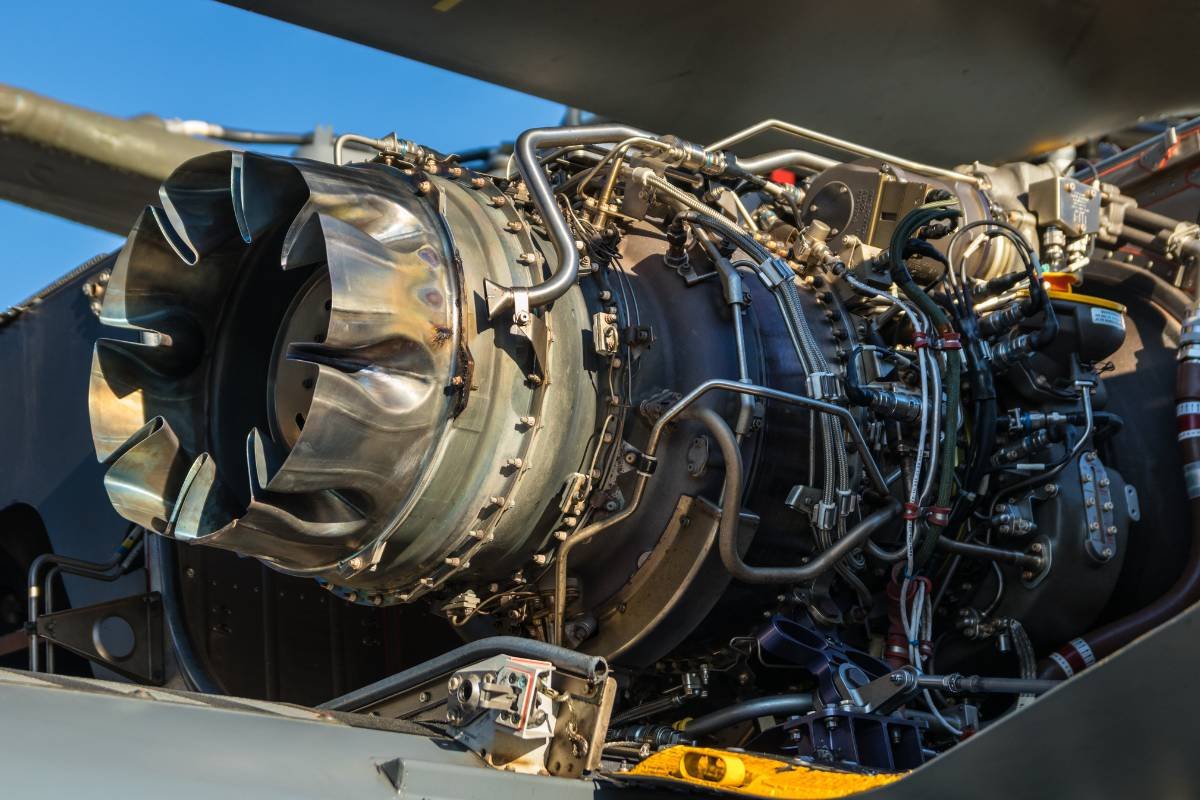
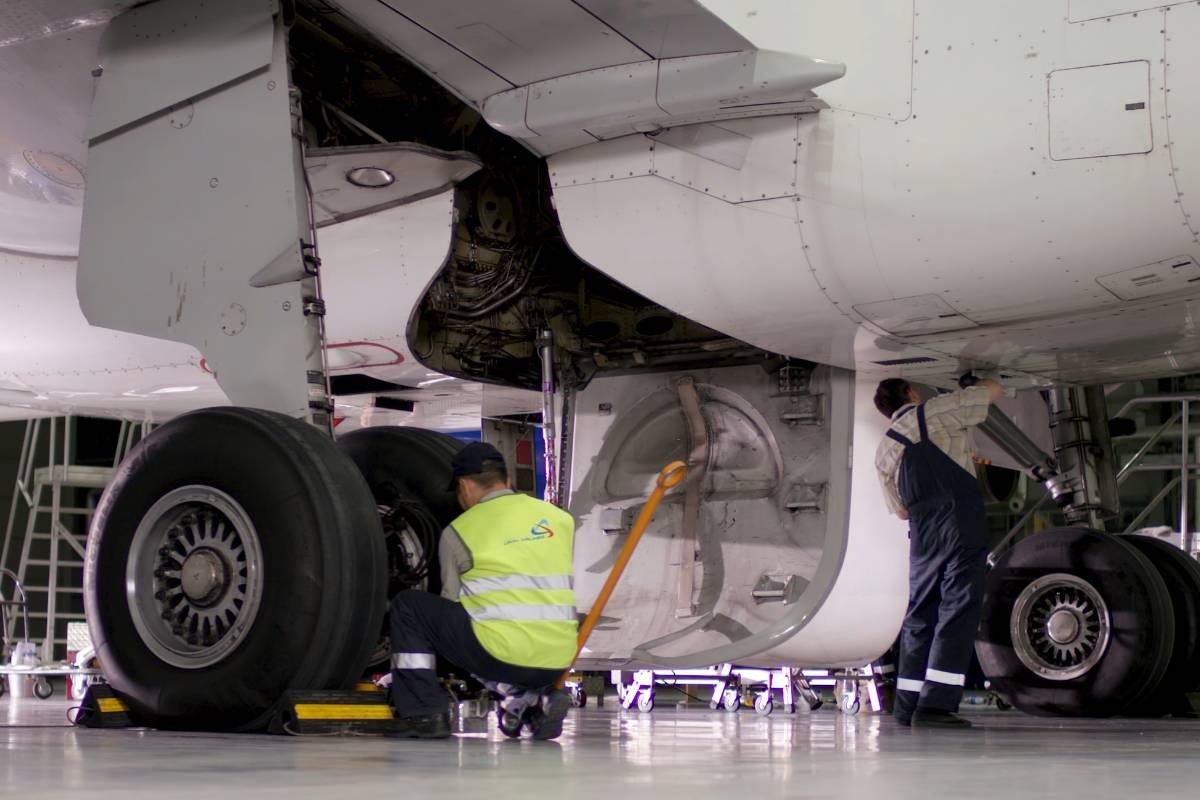
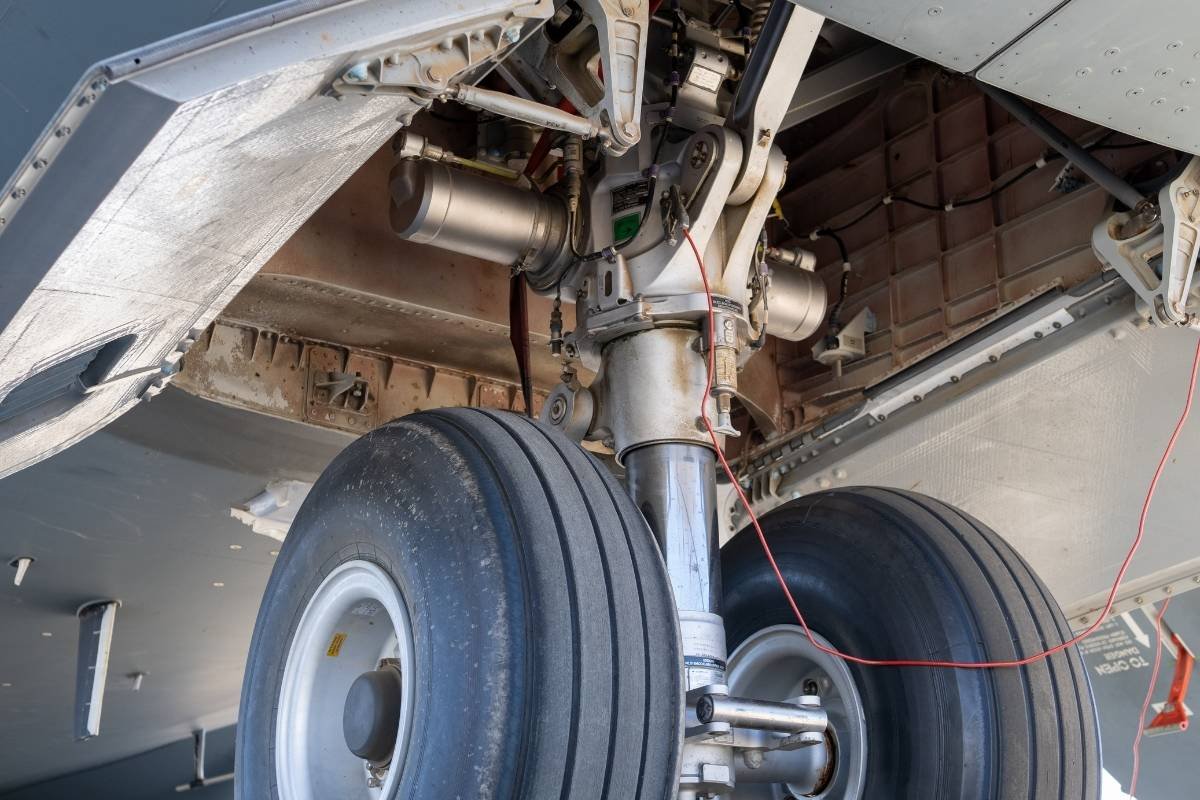
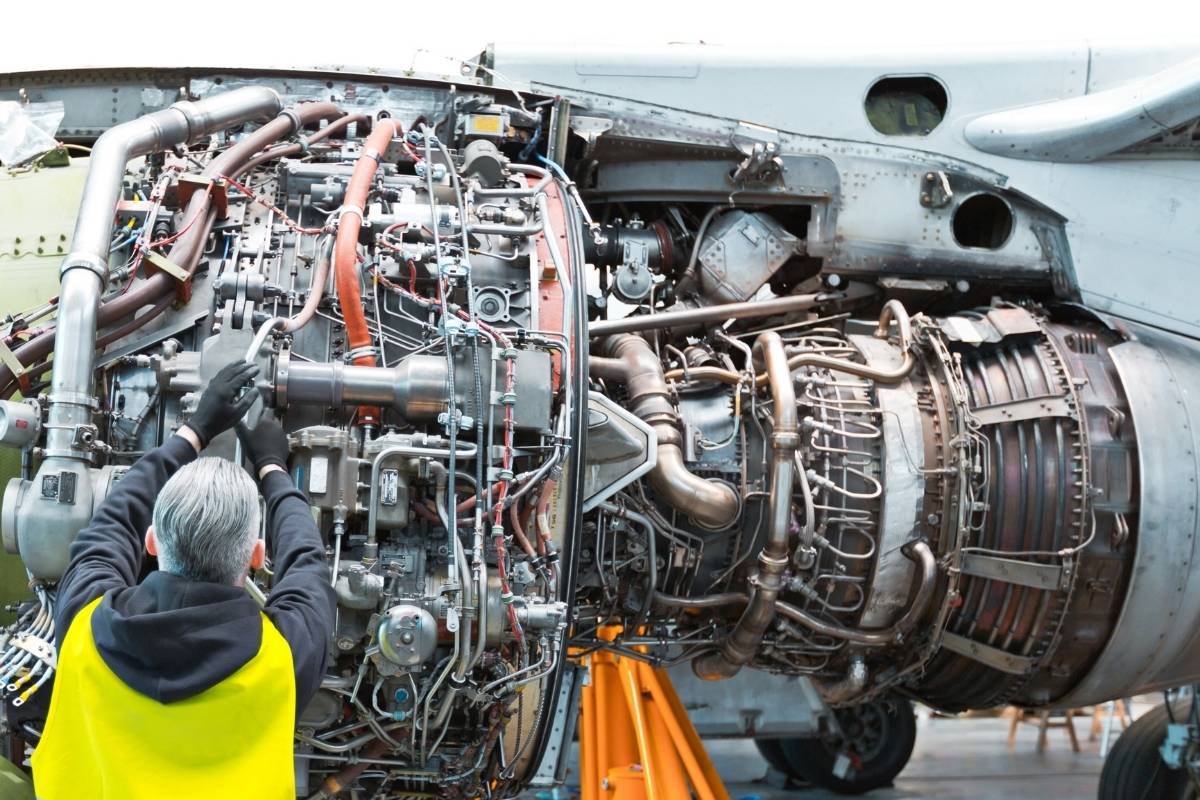
    The Aircraft Maintenance Technology program page lists a wide range of skill areas students may encounter, including turbine and reciprocating engines, aircraft finishes, sheet metal, welding, landing gear, hydraulics, and propellers. That breadth is important because modern maintenance roles require technicians to move between airframe structures, powerplant-related systems, and aircraft subsystems while maintaining a strong safety mindset and documentation discipline. Even in a CTE setting, exposure to these domains can be valuable preparation for entry-level employment, apprenticeships, or continued training in postsecondary FAA Part 147 programs. citeturn1search0

    Warren Tech South’s location information is published on the school’s site, including the Littleton, Colorado address and phone number for the South campus. This is particularly useful for families who need to plan transportation and understand where students will be attending their pathway training. Because Warren Tech operates multiple campuses and programs, students should verify the specific campus assignment for Aircraft Maintenance Technology, as well as the daily schedule, prerequisites, and fees associated with participation (CTE programs often have program-specific fees for supplies, safety equipment, or tools). citeturn1search16turn1search4

    Prospective students should also treat the Warren Tech program as a pathway: it may be designed to build foundational skills, safety culture, and exposure rather than to function identically to an adult FAA Part 147 certificate program. For students who want to become FAA-certified A&P mechanics, a key next step after a CTE pathway is typically to enroll in an FAA-approved aviation maintenance school or to pursue other FAA-recognized routes to eligibility, depending on individual circumstances. Warren Tech can still be a strong starting point because it introduces the vocabulary, tool use, and hands-on habits that differentiate successful maintenance students-attention to detail, teamwork, and methodical troubleshooting-while helping students confirm that aviation maintenance is a good personal fit before investing in longer postsecondary training. citeturn1search0

  • Alabama Aviation College – Albertville

    Alabama Aviation College – Albertville

    Alabama Aviation College in Albertville operates as a specialized division of Snead State Community College, located within the Frank McDaniel Aviation Building near the Albertville Regional Airport. This FAA-certified Part 147 facility provides an intensive, hands-on curriculum designed to prepare students for the full range of Airframe and Powerplant (A&P) licensure exams. The Albertville campus is uniquely focused on the foundational skills of aircraft maintenance, offering a technical environment where students work directly on aircraft structures and systems in professional hangars.

    The program emphasizes the precision required for maintaining airworthiness in both general and commercial aviation. Students receive training in aircraft sheet metal, reciprocating and turbine engines, and troubleshooting complex electrical and hydraulic systems. With its strategic location, the college serves as a primary workforce pipeline for the aerospace industry in North Alabama, producing technicians recognized for their technical proficiency and dedication to flight safety. Graduates are well-positioned for immediate entry into the high-demand aviation maintenance sector, benefiting from the state’s robust aerospace economy.

  • Aviation Institute of Maintenance – Fremont

    Aviation Institute of Maintenance – Fremont

    The Aviation Institute of Maintenance (AIM) in Fremont, California, provides FAA-approved training for students seeking careers in the vibrant aerospace and technology sector of the San Francisco Bay Area. This Part 147 certified program offers an intensive curriculum focused on Airframe and Powerplant maintenance, combining classroom instruction with significant shop-floor experience. AIM Fremont is known for its professional training facility, where students gain the mechanical and diagnostic skills needed to maintain the diverse range of aircraft operating in Northern California.

    The training at Fremont covers everything from traditional aircraft sheet metal and reciprocating engines to modern composite structures and turbine propulsion. Students are trained to think critically and apply FAA safety standards to every task, ensuring they are prepared for the rigorous A&P certification examinations. The school’s location in the Silicon Valley corridor provides students with unique insights into the intersection of aviation and advanced technology. AIM Fremont grads are sought after for their technical reliability and their ability to operate in the fast-paced, high-tech environments of modern aviation maintenance and manufacturing.

  • Broward College

    Broward College

    Broward Colleges Emil Buehler Aviation Institute in Pembroke Pines, Florida offers FAA-aligned aviation maintenance training designed to help students earn Airframe and Powerplant credentials and build a foundation for long-term careers in aircraft maintenance. Broward’s aviation maintenance pathway includes certificate options that map to FAA Airframe and Powerplant ratings, plus an associate-level degree pathway in aviation maintenance management for students who want to combine technical competence with supervisory or leadership development. A standout feature of Broward’s maintenance training is schedule choice. The program describes two full-time schedule formats-Traditional and Express-so students can choose a pace that matches their obligations and urgency. The Traditional schedule spans about 18-19 months and includes morning or evening class options, which is a major benefit for working adults or students balancing other commitments. The Express schedule is described as a faster daytime option that can be completed in about 13 months, using a more intensive weekly schedule. This kind of flexibility is rare and can be a deciding factor if you need either an accelerated timeline or an evening-friendly route. In terms of training experience, Broward emphasizes the technical fundamentals needed to be successful as an entry-level AMT: learning aircraft structures, systems, and safe work practices, and developing the discipline to document work accurately. Because maintenance is a compliance-driven field, students should expect a heavy focus on the “how” and “why” behind procedures, including the use of approved data, inspection standards, troubleshooting logic, and the regulatory expectations that govern return-to-service decisions. Broward’s South Florida location is also meaningful. The region has dense aviation activity-airports, repair stations, business aviation operators, and airline-related support infrastructure-so students often have a strong local job market to enter after earning their credentials. The school also points to employer connections in the region, which can help with early career placement and networking. If you’re evaluating Broward, ask what roles graduates commonly enter (line maintenance vs. hangar maintenance, GA vs. commercial support) and how the school supports job placement. Practical due diligence: confirm which campus/site hosts the program-specific labs, what tools and materials are required, and what total estimated costs look like for your preferred schedule. Also ask how the program supports students preparing for FAA written, oral, and practical tests and whether testing resources are available locally. If you are comparing A&P options, a practical way to evaluate fit is to confirm the FAA Part 147 approval status, ask how the curriculum is sequenced (General, Airframe, Powerplant), and request a calendar showing start dates and daily class times. You can also ask whether the school helps schedule FAA written, oral, and practical testing after each phase, what tools or uniforms are required, and what employers typically recruit from recent graduating cohorts. Finally, confirm total estimated costs (tuition, fees, books, tools) and whether financial aid, scholarships, veteran benefits, or payment plans are available for your situation. These details make it much easier to compare programs apples-to-apples and choose the path that matches your timeline, budget, and long-term career goals.

  • College of Alameda

    College of Alameda

    The College of Alameda offers a highly specialized Aviation Maintenance Technology (AMT) program located at its dedicated facility at the north end of the Oakland International Airport. As an FAA-certified Part 147 institution, the college provides an intensive evening program designed for students who need to balance their technical training with daytime professional or personal commitments. The curriculum is comprehensive, covering the construction, inspection, and maintenance of aircraft structures, powerplants, and complex systems, all within a professional hangar environment.

    Students at the College of Alameda train on a diverse fleet of aircraft and utilize advanced system mockup trainers to master the diagnostic skills essential for modern aviation. The program’s location at an active international airport provides a realistic context for classroom theory, helping students understand the operational realities of the industry. Credits earned at Alameda are also transferable to prestigious four-year institutions like Embry-Riddle Aeronautical University, allowing for continued career advancement. Graduates enter the workforce as highly skilled technicians, well-prepared for the A&P licensure exams and careers with major airlines and regional MRO providers across the globe.

  • Epic Flight Academy

    Epic Flight Academy

    Epic Flight Academy in New Smyrna Beach, Florida offers an FAA Part 147-approved Aircraft Mechanic (A&P) program designed for students who want a direct, career-focused path into aviation maintenance. The program is built around the same core outcome every Part 147 school targets: eligibility to test for the FAA Mechanic Certificate with Airframe and Powerplant ratings. That means you’re working through the required “General,” “Airframe,” and “Powerplant” subject areas with a heavy emphasis on hands-on lab time, tool use, procedures, and maintenance documentation-skills you will use daily on the hangar floor. Epic positions the program as a practical pathway for people who want to enter the workforce as mechanics and technicians in general aviation, corporate aviation, repair stations, and (with experience) the airline and major MRO environment. citeturn0search0

    A standout feature is Epic’s focus on structured, full-time training. Their published day schedule is geared toward students who want a consistent routine and faster completion, and the overall timeline is framed as roughly 15 months for the full A&P path. That duration matters because it helps you plan for housing, work commitments, and the cost of living while you train. Epic’s location in New Smyrna Beach also places the program in a region with year-round flying weather and an active aviation community-useful for networking, finding mentors, and seeing a wide range of aircraft types and maintenance scenarios. citeturn0search0

    In terms of what you’ll actually do in training, an A&P curriculum typically blends classroom theory (regulations, physics, electrical fundamentals, inspection standards, and maintenance publications) with lab work that builds “muscle memory” for safe, repeatable maintenance tasks. Students can expect to spend meaningful time learning and practicing corrosion control, hardware and safetying methods, sheet metal and structures, rigging concepts, hydraulic and pneumatic systems, and powerplant topics like reciprocating and turbine engine fundamentals, troubleshooting, and inspection. The end goal is not just passing tests-it’s becoming a mechanic who can think through a squawk, follow approved data, and complete work with the documentation discipline that aviation requires.

    If you’re comparing schools, Epic is a strong fit for students who want a defined timeline, a full-time pace, and a program that’s explicitly aligned with FAA testing eligibility. The best next step is to review Epic’s program page and admissions resources, confirm start dates and required tools, and ask how they support students with FAA written/oral/practical preparation and job placement guidance after graduation.

  • Greenville Technical College

    Greenville Technical College

    Greenville Technical College provides a highly respected Aviation Maintenance Technology program based at the South Carolina Technology and Aviation Center (SCTAC). As an FAA-approved institution, the college offers an Associate of Applied Science degree and specialized certificates designed to train future mechanics in the rigorous standards of both commercial and general aviation. The program is noted for its comprehensive curriculum, which balances deep theoretical knowledge with extensive hands-on training in sheet metal repair, flight control rigging, and engine maintenance.

    Students at Greenville Technical College train on both reciprocating and turbine engines, mastering the diagnostics of complex fuel, lubrication, and ignition systems. The program’s facility at the former Donaldson Center provides a realistic airport context for learning, and an articulation agreement with Embry-Riddle Aeronautical University allows for continued career advancement. With a focus on technical precision and strict adherence to FAA regulations, Greenville Tech produces job-ready graduates who provide a vital workforce pool for regional air carriers, corporate flight departments, and global aircraft manufacturers. The college’s commitment to excellence makes it a primary driver of the South Carolina aerospace economy.

  • Lake Area Technical Institute

    Lake Area Technical Institute

    Lake Area Technical College (LATC) in Watertown, South Dakota offers an FAA-certificated Part 147 Aviation Maintenance Technology program for students pursuing the Airframe and Powerplant (A&P) mechanic pathway. LATC emphasizes that the program is designed to be hands-on and career-focused, preparing graduates for entry-level roles in airline maintenance, general aviation, maintenance repair organizations, and broader aerospace employers. The school highlights that students learn by working directly with aircraft, developing the practical skills and procedural discipline that employers expect in professional maintenance environments.

    LATC describes its Aviation Maintenance program as an 18-month pathway that covers major areas of aircraft maintenance, including airframe and powerplant systems, avionics-related fundamentals, safety procedures, and FAA regulatory compliance. A distinctive feature of LATC’s structure is the staged credential approach: students work toward airframe testing at the end of the first year and powerplant testing at the end of the second, creating a progression that can help students build momentum and demonstrate milestones as they advance. This sequencing can be helpful for students who like clear checkpoints and for those planning their study and exam preparation over the program timeline.

    For cost planning, LATC publishes a program-specific estimated cost sheet for the 2025-2026 year. The cost estimate breaks down tuition and fees by semester and also calls out common real world expenses like tools, books, a required laptop purchase through the campus bookstore, and FAA test fees. Publishing these details upfront makes it easier for students to compare programs and to plan for expenses beyond tuition alone. LATC also provides a separate indirect-cost budget (housing, food, transportation, and personal expenses) so students can estimate the total cost of living in the Watertown area while attending.

    Location and contact information are clearly presented on the program page, including the college’s physical location at 1201 Arrow Ave in Watertown and a primary phone number for the institution. Students considering LATC can also access supporting program resources linked from the program page, such as a semester course outline, tool list, laptop information, and program learning outcomes, which help clarify the day-to-day expectations of training.

    Overall, LATC’s Aviation Maintenance Technology program is a strong option for students who want an FAA Part 147 environment, a relatively short calendar timeline compared with traditional four-year degrees, and a published cost breakdown that helps reduce financial surprises. The combination of structured progress toward A&P testing, hands-on training, and transparent cost information makes the program particularly practical for students focused on employability and a clear pathway into the aircraft maintenance field.

  • Maysville Community and Technical College

    Maysville Community and Technical College

    Maysville Community and Technical College (MCTC), part of the Kentucky Community & Technical College System, offers an Aviation Maintenance Technology program that is FAA-certified and designed to prepare students for the General, Airframe, and Powerplant (A&P) pathway. The program emphasizes the skills and professional habits needed for aircraft maintenance work: safe maintenance practices, accurate documentation, careful inspection, and the ability to troubleshoot complex systems. For students in northeastern Kentucky and surrounding regions, MCTC provides access to aviation maintenance training without relocating to a large metropolitan area.

    MCTC states a clear expected timeline for completion: the program is designed as a five-semester sequence (two and a half years) for full-time students. This longer structure compared to some four-semester programs can be useful for students who want a slightly more distributed pace, though day-to-day expectations are still rigorous because FAA-aligned content requires consistent lab time and competency demonstration. Prospective students should confirm the exact term-by-term schedule, because sequencing matters in maintenance programs and missed courses can extend completion timelines.

    Like other KCTCS AMT programs, MCTC positions aviation maintenance as a profession that demands precision and accountability. Students should expect training across the broad maintenance domains required in technician education-general subject areas, aircraft structures, aircraft systems, and powerplant systems. Lab work is a major component: students learn tool usage, inspection techniques, and maintenance procedures in a controlled environment before applying those habits in employment. This helps students develop the “no shortcuts” mindset that employers want in entry-level technicians.

    MCTC provides a program coordinator contact, which is valuable for prospective students who need answers about admission steps, prerequisites, and readiness. Because AMT programs often have attendance and performance policies aligned to FAA expectations, students should ask about grading standards, make-up work limitations, and attendance thresholds early in the process. It’s also smart to ask about any tool, supply, or fee requirements and whether those costs are included in tuition estimates.

    For career planning, students should ask how the program supports employment outcomes: relationships with local operators, maintenance shops, regional airports, or larger employers that recruit in Kentucky. Even if you plan to move after graduation, a program’s employer network can help you get that first job and build experience.

    In summary, Maysville Community and Technical College is a practical option for students who want a structured FAA-certified maintenance program, prefer a five-semester pacing, and want accessible program staff and support while preparing for the A&P pathway.

  • North Dakota State College of Science

    North Dakota State College of Science

    North Dakota State College of Science (NDSCS) in Wahpeton offers a premier Aviation Maintenance Technology program that is FAA-approved under Part 147. Launching a new era of aviation training in the region, the program offers both an Associate in Applied Science degree and a certificate option. NDSCS leverages a strong practicum-based approach, combining classroom theory with extensive shop experience to prepare students for the A&P certification exams.

    Supported by partnerships with major industry players like Fargo Jet Center, the program provides students with access to modern training aids and potential career pathways. The curriculum covers the maintenance of complex aircraft systems, including reciprocating and turbine engines, metallic and composite structures, and aircraft electricity. NDSCS focuses on developing technicians who are not only skilled with their hands but also proficient in the technical problem-solving and regulatory compliance required in aviation. Graduates are highly sought after to fill the growing demand for mechanics in North Dakota’s agricultural and commercial aviation sectors.