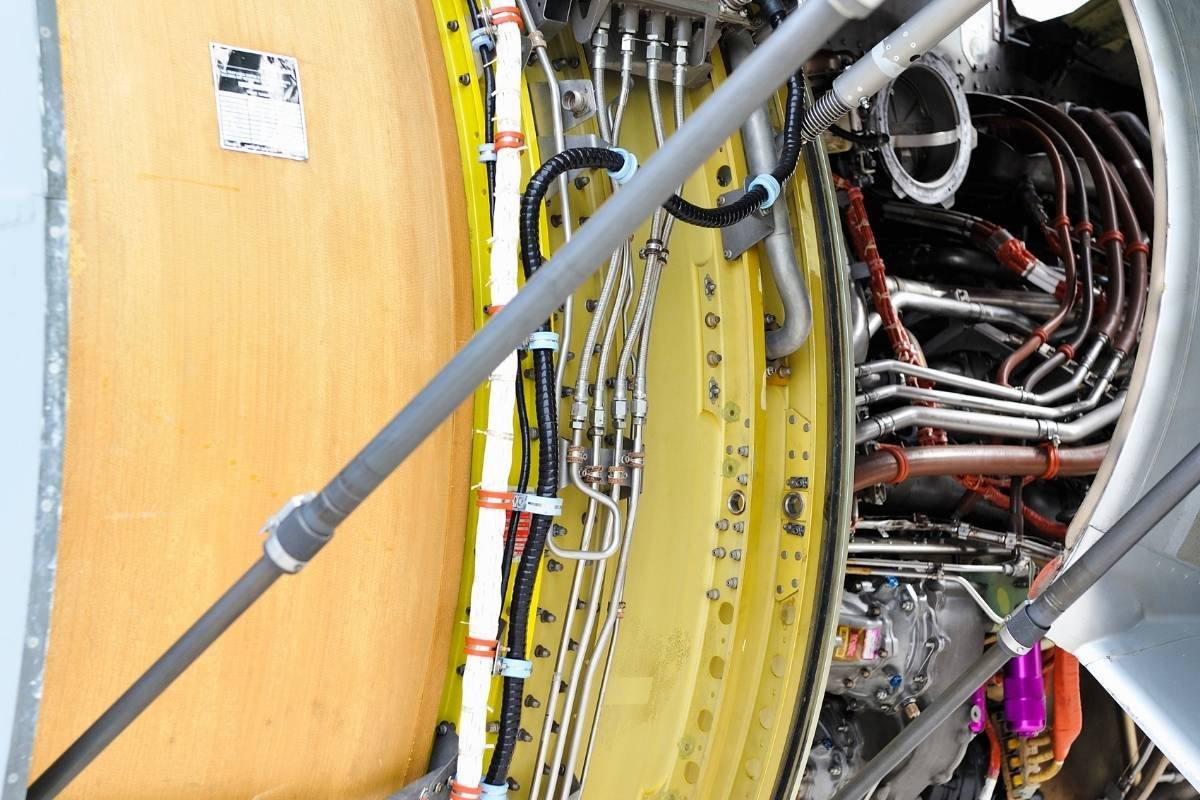
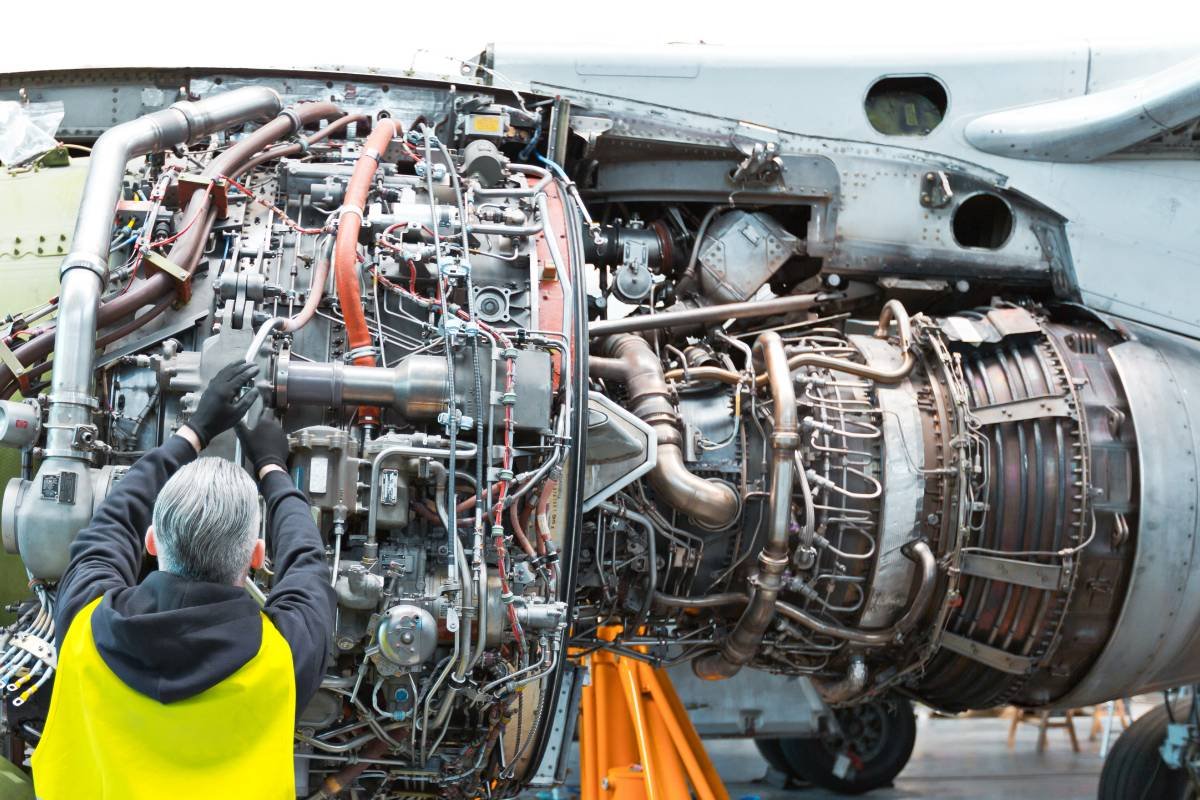
St. Philip’s College in San Antonio, Texas, is home to the Southwest Campus Aviation Maintenance Technology program. As the region’s primary provider of FAA Part 147 training, it prepares students for Airframe and Powerplant certification. The program is strategically located near Kelly Field and major aerospace employers like Boeing and StandardAero. Students gain hands-on experience in a fully equipped hangar environment, learning to maintain large transport aircraft and complex systems.
Category: Aviation Maintenance Technician School
-
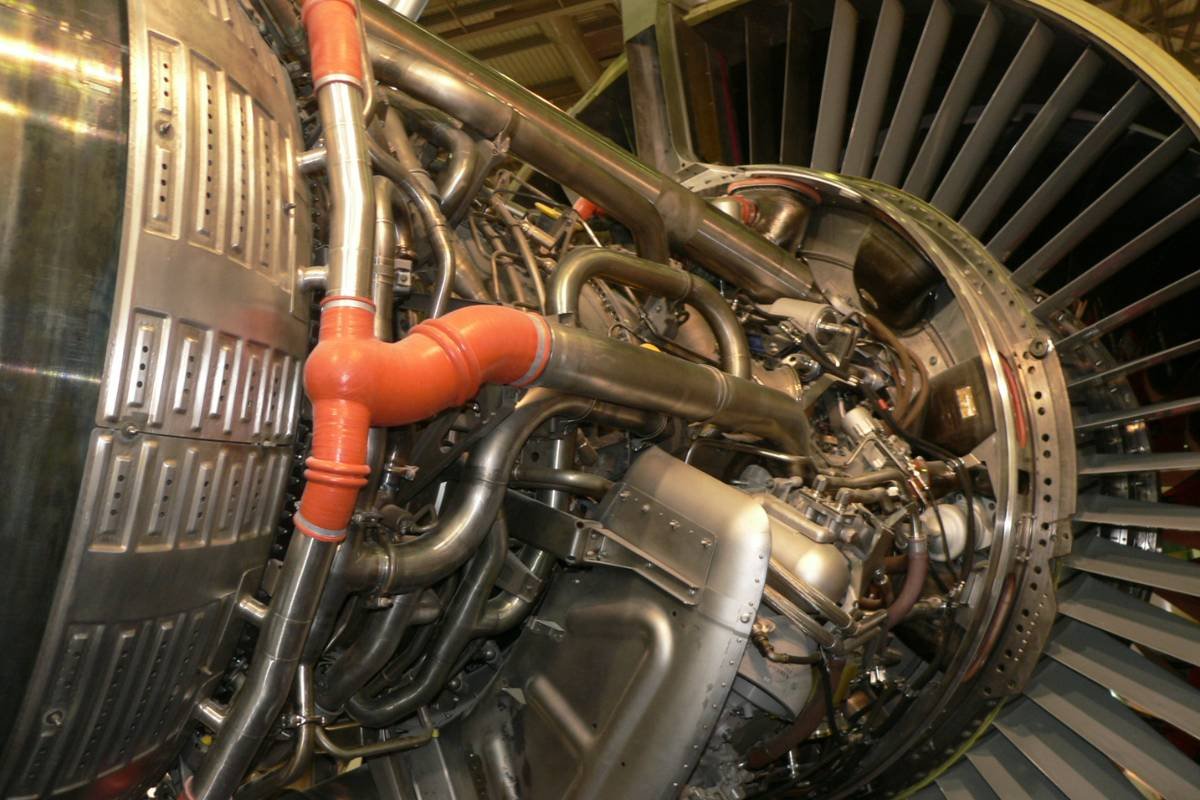
U.S. Aviation Academy – Denton
U.S. Aviation Academy operates FAA Part 147 aviation maintenance training designed to prepare students for the Airframe & Powerplant (A&P) certificate through an accelerated, career-focused model. At the Denton area location, the program is positioned as an immersive pathway for career changers and aviation enthusiasts who want to move from training to employment faster than the traditional 21-24 month timeline often associated with many A&P schools. turn1search2
Training model and what students do: Across its A&P program pages, U.S. Aviation emphasizes hands-on learning with real aircraft components and shop work, supported by classroom instruction aligned to FAA standards. The school highlights that its A&P curriculum is FAA Part 147 approved and that students work through the knowledge areas required for the FAA written tests and the oral and practical exams. The Denton program page also emphasizes that tools are provided for use during training, which can reduce a major out-of-pocket expense that students sometimes face at other schools. turn1search2
Location and facilities: The Denton A&P training site is based at Denton Enterprise Airport (KDTO) in Denton, Texas. The published campus address and contact phone are provided on U.S. Aviation’s program pages, which is useful for prospective students comparing commute time, nearby housing options, and local aviation employers. turn1search2
Schedule and program length: US Aviation lists an 8-month accelerated program, a 16-month night program, and also promotes a 13-month weekend option. In practical terms, this means many students can choose an accelerated daytime track if they can attend full-time, while others may be able to pursue a longer night or alternative schedule depending on what the campus offers at the time. For prospects, the right question to ask admissions is which start dates and schedules are currently running at this campus and what the expected weekly time commitment looks like for each option.
Costs and approvals: Pricing is described as lower than competitors, with program costs commonly cited around the mid-$30k range on US Aviation’s A&P pages; confirm exact tuition/fees for Denton with admissions. turn1search2 VA approval is not stated on the Denton A&P page; confirm with admissions or veteran services. Because pricing and funding eligibility can change, it’s smart to ask for an itemized cost sheet (tuition, fees, books/materials, exam prep/testing, and any optional expenses). If you plan to use veteran education benefits, confirm GI Bill eligibility and campus approval status directly with the school before enrolling.
Who this school fits best: U.S. Aviation Academy is best suited for students who want a faster A&P pathway, prefer a hands-on airport environment, and value a program that highlights tools-provided training and industry connections. If you’re highly motivated and can handle an accelerated pace, the Denton A&P program is positioned as a direct route into aircraft maintenance roles supporting airlines, charter operators, and aviation maintenance organizations. turn1search2
-
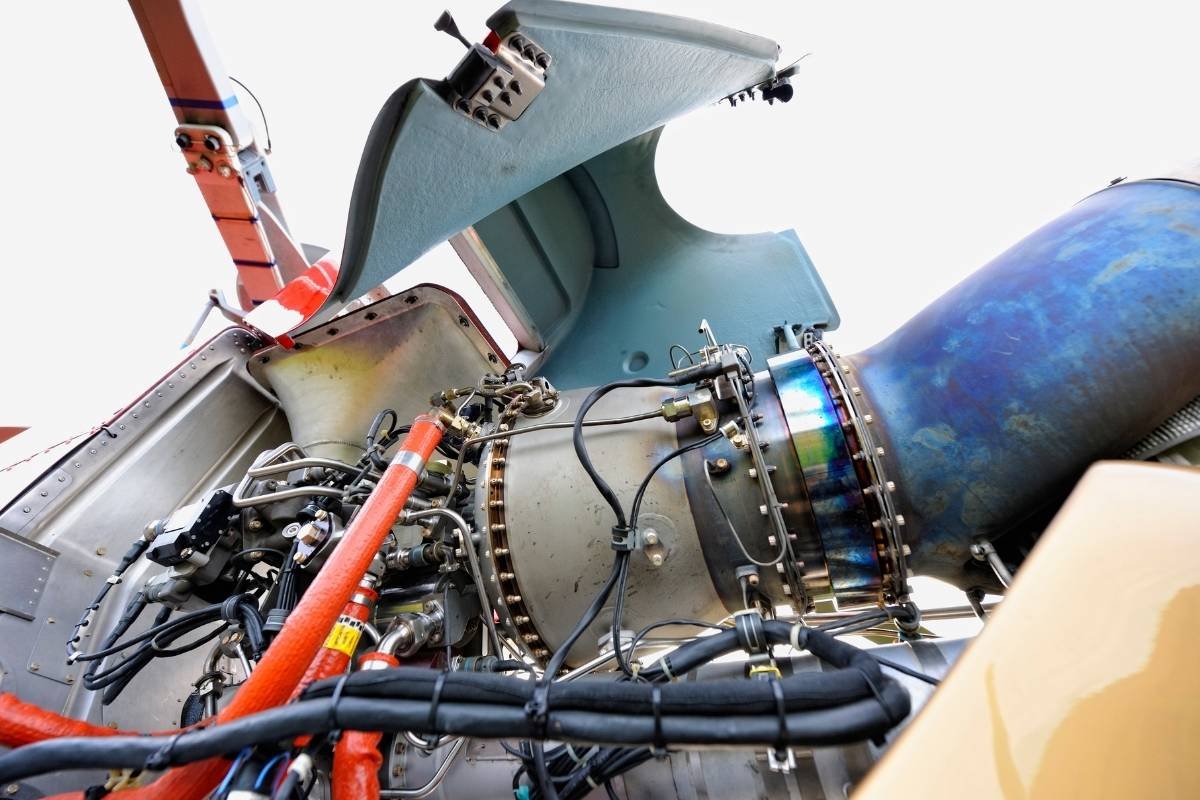
Alabama Aviation College – Mobile
The Mobile campus of the Alabama Aviation College, located at the Mobile Aeroplex at Brookley, is situated in one of the most dynamic aerospace hubs in the United States. This FAA-certified institution offers students a unique opportunity to train in the immediate vicinity of major global aerospace corporations, including Airbus and ST Engineering. The program provides a comprehensive Airframe and Powerplant curriculum, focusing on the advanced manufacturing and maintenance techniques required for large-scale commercial and military aircraft.
Training at the Mobile campus is deeply integrated with the needs of the modern aerospace industry, emphasizing specialized skills such as advanced composite repair and large-engine maintenance. The facility features state-of-the-art labs and hangars that mirror the professional environments found in the adjacent aerospace plants. This geographic advantage provides students with unparalleled networking opportunities and a direct pathway into high-paying roles with international aerospace leaders. The college is instrumental in supporting Mobile’s status as a global leader in aircraft assembly and maintenance, repair, and overhaul (MRO) operations.
-
Aviation Institute of Maintenance – Indianapolis
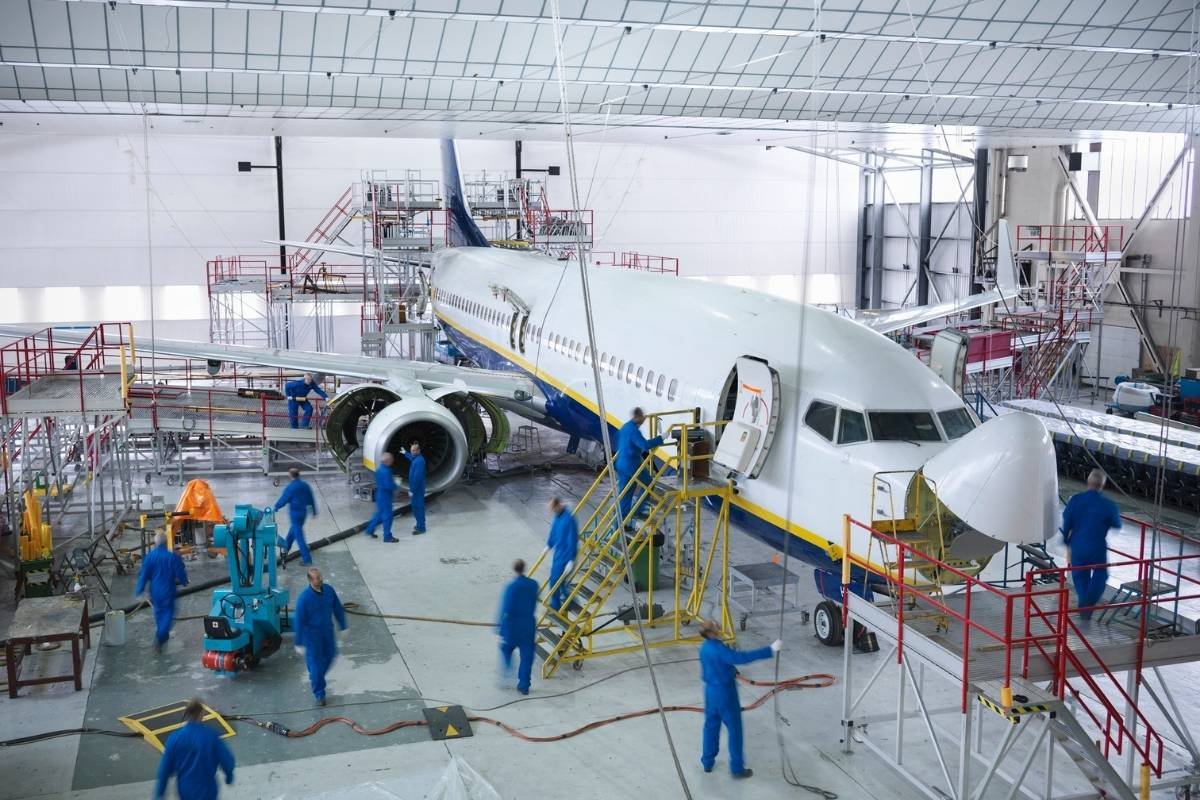
The Aviation Institute of Maintenance (AIM) in Indianapolis provides FAA-approved training for individuals seeking to become professional aircraft maintenance technicians. This Part 147 certified campus offers an intensive curriculum focused on Airframe and Powerplant certification, designed for those who wish to enter the aviation workforce quickly. AIM Indianapolis features a professional hangar and lab facility where students gain hands-on experience in the troubleshooting, inspection, and repair of aircraft systems, ensuring they meet the high standards of airworthiness mandated by the FAA.
The training at Indianapolis covers the full range of General, Airframe, and Powerplant modules, with an emphasis on developing practical mechanical proficiency. Students work through modules that include reciprocating and turbine engine theory, wood and fabric structures, and modern aircraft electronics. The school’s instructional team is comprised of seasoned aviation professionals who bring real-world context to the technical curriculum. Graduates of AIM Indianapolis are prepared for careers in a variety of aviation sectors, including commercial airlines, cargo operators, and general aviation flight schools, supporting the aerospace industry across the Crossroads of America.
-

California Aeronautical University
California Aeronautical University (CAU) offers an Aviation Maintenance Technology (AMT) program designed around one outcome: prepare graduates to become job-ready aircraft maintenance technicians with Airframe & Powerplant (A&P) credentials. CAU’s program is FAA Part 147 approved and built for hands-on, in-person training in a campus environment that is deeply aviation-centric. For students who want to live, eat, and breathe aviation while preparing for FAA testing, CAU intentionally sets up that immersive experience at its main Bakersfield campus, located at Meadows Field Airport.
The AMT pathway is offered in two main formats: an accelerated diploma and an associate degree option. Students can earn the AMT diploma in about 17 months through fast-paced, year-round classes. If a student chooses to continue into the associate degree, CAU notes that it can be completed with roughly five additional months. The diploma curriculum includes 75 instructional weeks and 90 credits and covers the core technical subjects required for FAA readiness: aircraft concepts and practices, electrical theory, materials and processes, general aviation maintenance, non-metallic and metallic structures, advanced airframe technologies, hydraulic and pneumatic systems, airframe systems, reciprocating and turbine engine theory and maintenance, powerplant systems, and propellers/APUs. That scope gives students a well-rounded foundation that aligns with the breadth of knowledge needed for A&P testing and early-career work.
A standout feature of CAU’s program positioning is its focus on job readiness beyond just classroom learning. Through CAU’s partnership with Sonic Tools, each AMT graduate receives a personalized 263-piece toolkit that CAU values at $6,000 an example of the school trying to remove a common barrier for new technicians: showing up to a first job without the right tools. Training takes place in the university’s on-campus aviation facilities, including a large hangar environment for maintenance students, which supports repeated practice on real systems and real processes.
CAU also highlights career outcomes by naming employers where graduates have been hired, including Northrop Grumman, SkyWest Airlines, the Kern County Sheriff’s Office Air Support Unit, National Test Pilot School/Flight Research, and FieldCore. That range is useful because it signals that AMT skills can translate into multiple sectors: airlines, aerospace/defense, flight testing environments, public safety aviation units, and other maintenance organizations.
Finally, CAU promotes multiple affordability pathways, including federal financial aid options, tuition reduction programs, and GI Bill benefits for eligible students. Add in on-campus student housing, and CAU becomes a compelling all-in-one option for students who want an accelerated, aviation-immersive AMT experience with clear A&P alignment.
-
Colorado Northwestern Community College
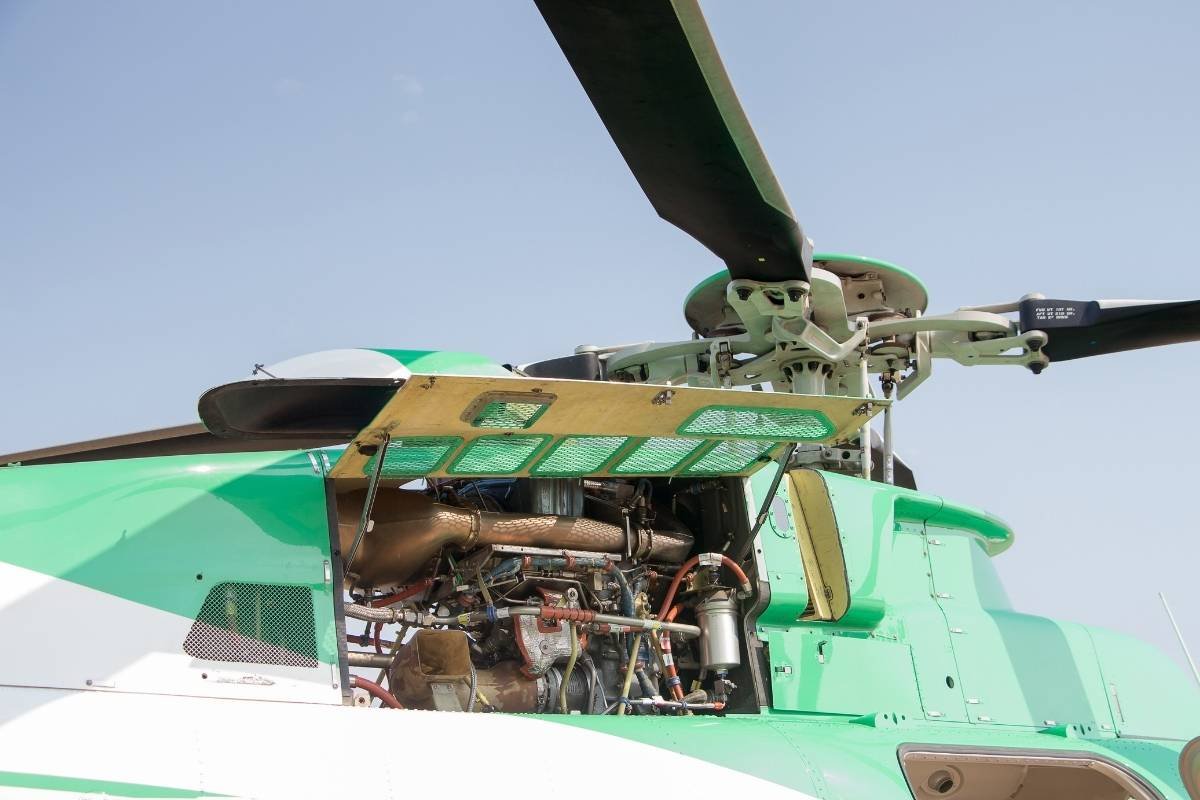
Colorado Northwestern Community College (CNCC) features a robust Aviation Maintenance Technology program located at its state-of-the-art facility in Rangely. This FAA Part 147 certified program offers both an Associate of Applied Science degree and specialized certificates, focusing on the high-level technical skills required for the aircraft maintenance industry. CNCC is known for its small class sizes and personalized instruction, with a curriculum that is evenly split between classroom theory and intensive, hands-on lab work in the hangar.
Students at CNCC gain practical experience working on a diverse fleet of aircraft, including corporate jets and twin-engine prop planes. The training covers the full breadth of A&P disciplines, from advanced composites and avionics to engine disassembly and overhaul. The program’s rural campus provides an immersive educational environment, and transfer agreements with four-year universities offer graduates a clear path for further education. CNCC continues to be a top choice for aspiring mechanics seeking a high-quality, cost-effective education that prepares them for success in the private, corporate, and commercial aviation sectors.
-
Federal Aerospace Institute
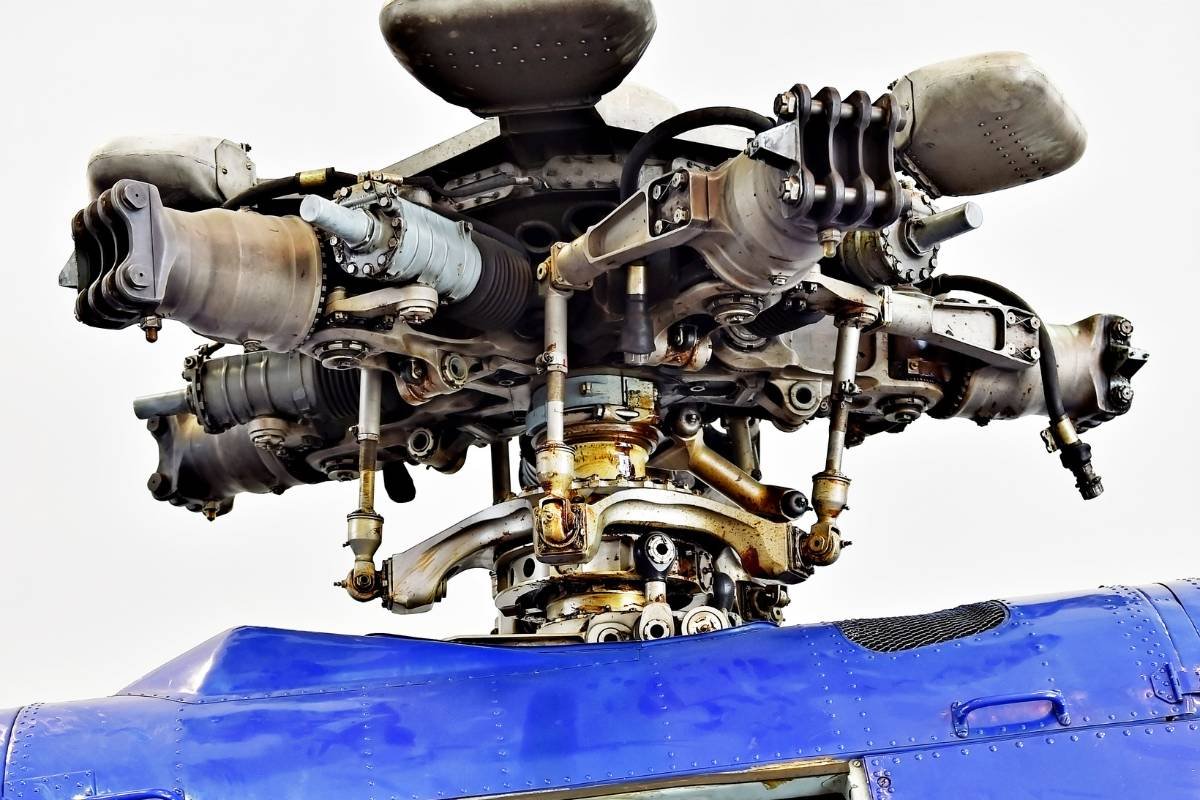
The Federal Aerospace Institute (FAI), located at the Toledo Express Airport in Ohio, provides an elite FAA Part 147 certified Aviation Maintenance Technician program. FAI is dedicated to cultivating professional excellence through a rigorous curriculum that balances theoretical classroom instruction with intensive hands-on training. With a faculty of FAA-certified instructors who bring over a century of collective industry experience, students receive high-level mentorship in the inspection, repair, and overhaul of both airframe and powerplant systems.
The program offers flexible scheduling options, including a 12-month day track and a 20-month evening track, catering to both full-time students and working professionals. FAI’s facilities are equipped with modern diagnostic tools and authentic aircraft, ensuring that students master both traditional techniques and the latest aerospace technologies. Graduates of FAI boast a nearly 100% employment rate, securing roles with major commercial airlines, cargo operators, and corporate flight departments, where they are recognized for their technical proficiency and commitment to aviation safety.
-

Honolulu Community College
Honolulu Community College offers an Aeronautics Maintenance Technology program in Honolulu, Hawaii, designed to prepare students for careers maintaining and servicing aircraft. As part of the University of Hawai’i system, Honolulu CC is a public college that typically serves both local students and those relocating to Hawaii for technical training. The Aeronautics Maintenance Technology pathway is commonly positioned as an associate-level, career-focused program that combines classroom instruction with hands-on lab experience. For prospective aircraft mechanics, the most important question is whether the curriculum aligns with FAA requirements and whether graduates are prepared to pursue the Airframe and Powerplant certification process. Programs in this category are generally structured around the FAA subject areas required for safe, legal aircraft maintenance work.
Students can expect the program to cover core topics such as aviation regulations, maintenance documentation, and safety procedures; aircraft structures and materials; inspection methods; basic electricity and aircraft wiring practices; and the systems found on modern aircraft. In addition, powerplant training typically includes both reciprocating and turbine engine fundamentals, fuel and ignition systems, propellers, and troubleshooting techniques. A well-run maintenance program emphasizes professional habits as much as technical skills: students learn to use maintenance manuals properly, follow standard practices, apply torque and safetying techniques correctly, and document work in a way that meets regulatory expectations.
Because Hawaii is geographically isolated, it is especially important for students to understand how a program connects to local industry needs and to ask about job placement pathways and employer relationships. Aviation maintenance can lead to opportunities in airline maintenance, general aviation, helicopter operations, and specialized repair stations. If you plan to work on the mainland after training, ask how the program supports your transition, including exam preparation support and guidance on building a technician resume.
When comparing Honolulu Community College to mainland programs, factor in both program intensity and cost of living. Confirm the expected time to completion in months, the daily schedule for labs, and any prerequisites required prior to entry. Also ask about out-of-pocket items such as tools, books, and testing fees, and whether the school provides access to dedicated lab facilities and aircraft training aids. The best way to validate fit is to review the specific Aeronautics Maintenance Technology program page, then speak with program advisors or admissions to confirm timelines, start terms, and the steps needed to move from enrollment to FAA testing eligibility and entry-level employment.
-
LeTourneau University
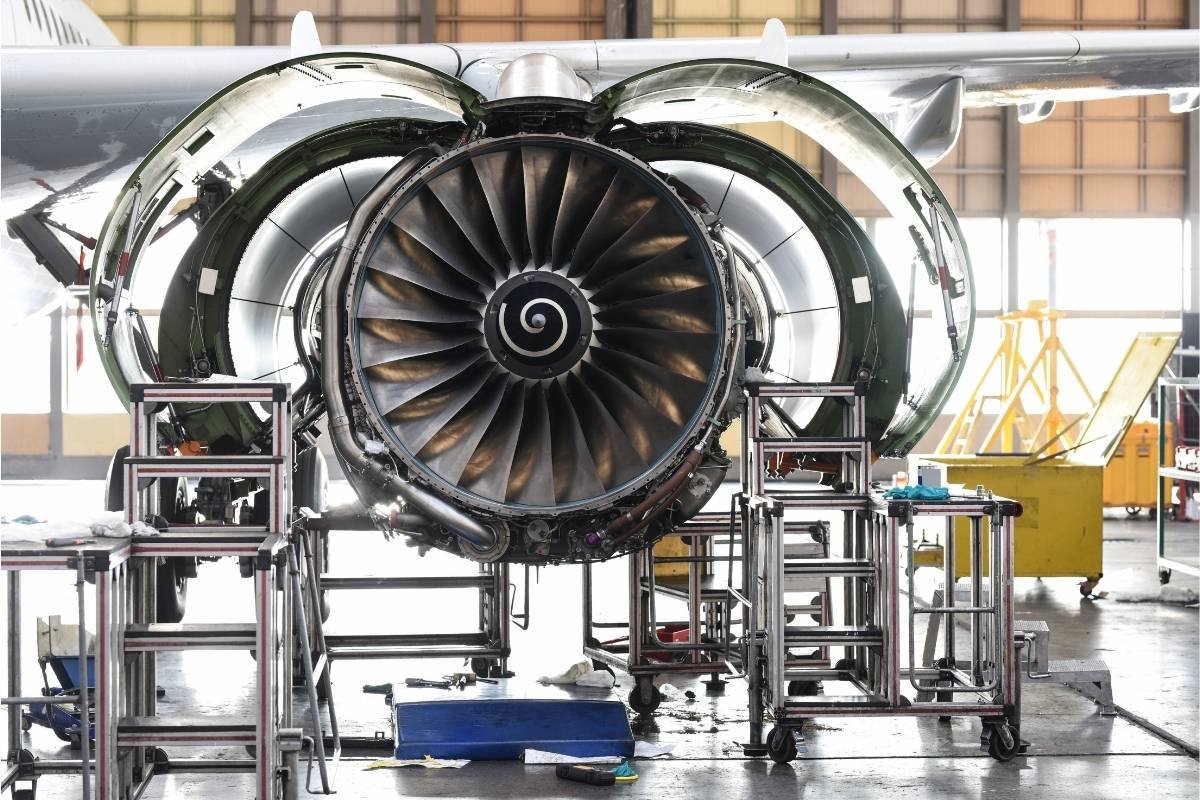
LeTourneau University in Longview, Texas, offers a prestigious Bachelor of Science program in Aviation Maintenance Science that combines elite FAA technical training with a comprehensive university education. Based at the expansive Paul and Betty Abbott Aviation Center at the East Texas Regional Airport, the program features a 55,000-square-foot facility equipped with state-of-the-art labs for turbine engines, composites, and advanced avionics. Aligning with its Christian polytechnic mission, LeTourneau produces graduates who are recognized for their technical proficiency, professional integrity, and leadership potential.
The LeTourneau curriculum is characterized by its intensive hands-on instructional model, where students master everything from advanced aerospace welding and metalwork to the overhaul of complex turbine and reciprocating engines. The program offers several unique concentrations, including Avionics Computer Science and Mechanical Technology, allowing students to bridge the gap between maintenance and engineering. With deep industry ties and pilot pipeline partnerships with major regional airlines, LeTourneau University continues to be a top choice for aspiring aerospace professionals. Graduates find high-level roles as Airframe and Powerplant (A&P) technicians, maintenance schedulers, and technical writers within the global aviation and space launch sectors.