If you’ve been searching for an online AMT school, you’ve probably run into two kinds of results: programs that sound too good to be true, and long forum threads full of conflicting advice. That confusion is understandable — the answer to “can I do aviation maintenance training online?” is more nuanced than a simple yes or no.
Here’s the honest version: you can do some of your AMT training online. You can’t do all of it. And knowing the difference matters a lot before you commit to a program — or spend months pursuing one that won’t get you licensed.
Let’s break down what’s actually possible, what the FAA requires, and how to evaluate the hybrid programs that do exist.
Why You Can’t Earn Your A&P Entirely Through an Online AMT School
The Aviation Mechanic (A&P) certificate is issued by the FAA, and the FAA is specific about how you earn it. Under 14 CFR Part 147, approved aviation maintenance technician schools must deliver a curriculum that includes substantial hands-on training in actual shop environments.
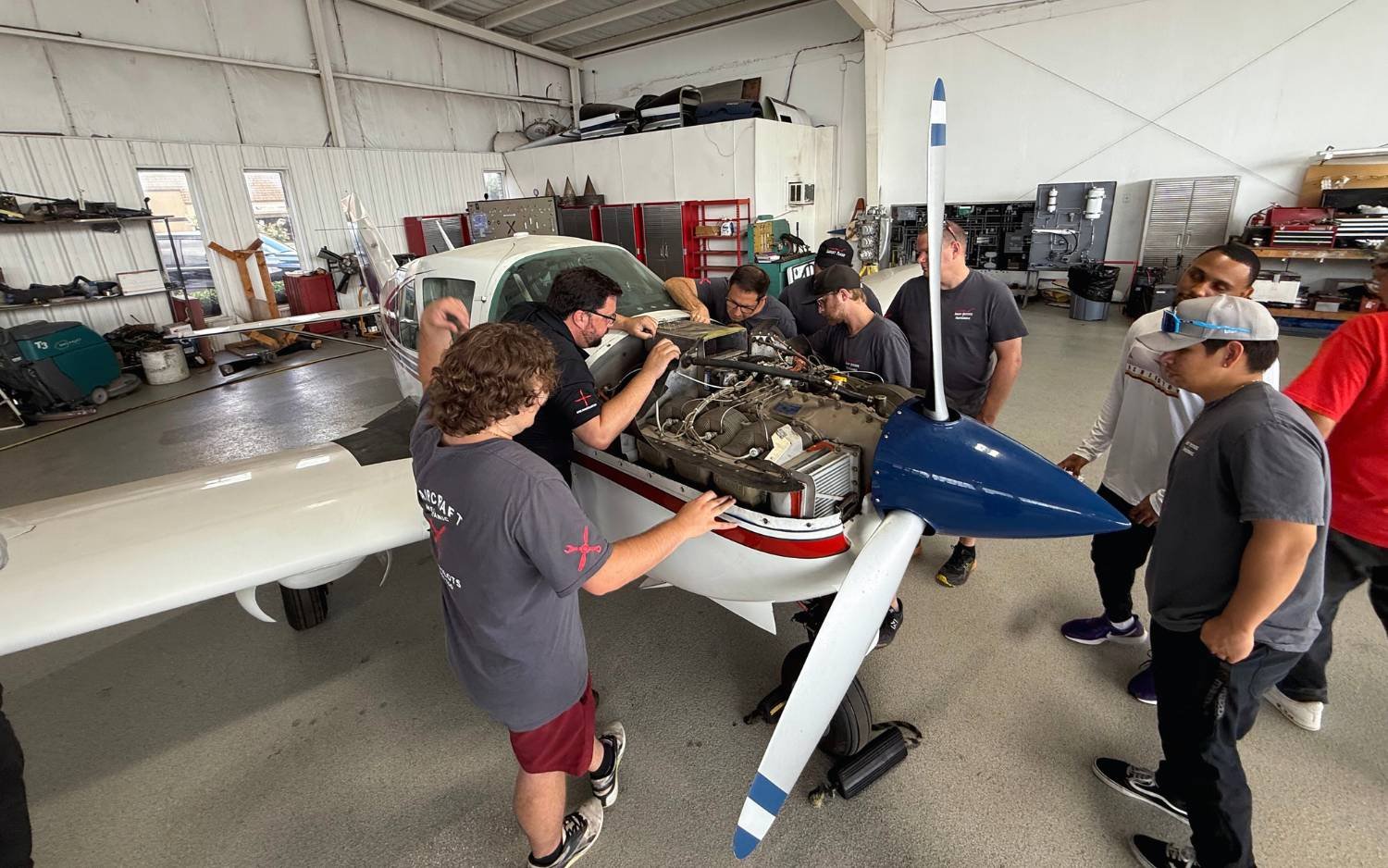
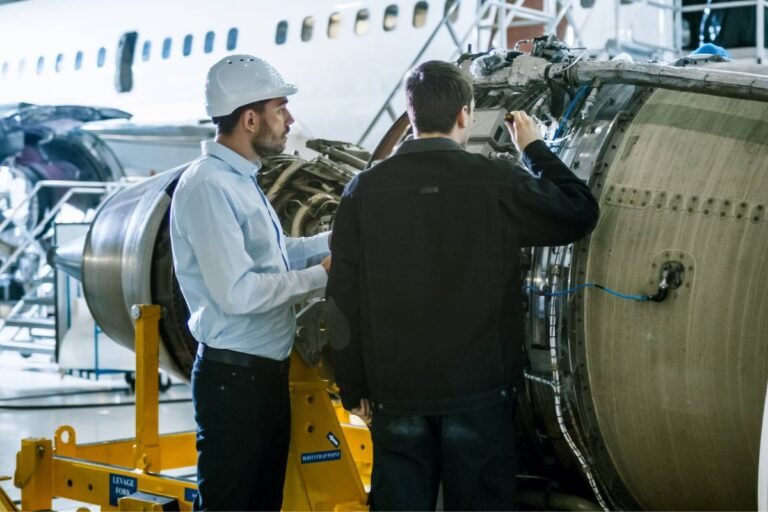
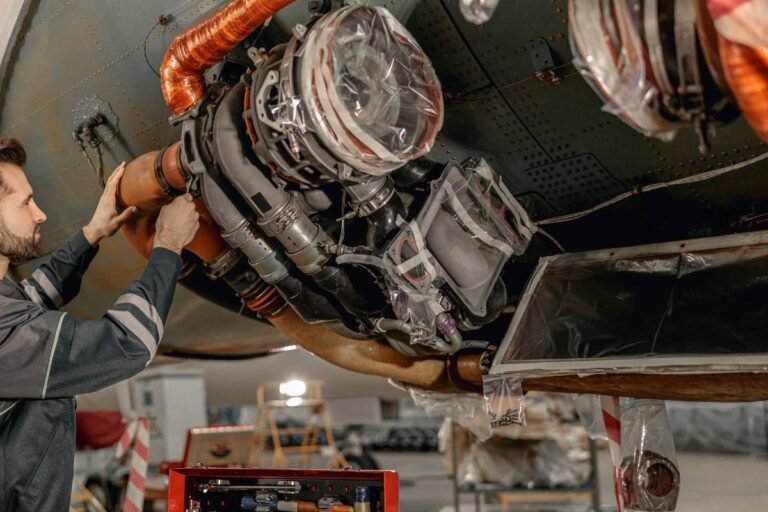
We’re talking about things you genuinely can’t replicate on a screen: rigging flight controls, pulling and inspecting engines, reading real wiring diagrams on live aircraft systems, doing sheet metal repairs. These aren’t just check-the-box activities — they’re the foundation of what you’ll do on the job every single day.
The FAA requires a minimum of 1,900 curriculum hours for a combined Airframe and Powerplant program. A significant portion of those hours must be hands-on lab and shop time. No amount of video lectures or interactive software substitutes for that requirement — at least not under current FAA rules.
So if you see a program advertising a fully online path to your A&P certificate, look carefully at the fine print. There are legitimate programs that offer remote coursework components. There are also programs that may not lead to an FAA-recognized credential. Knowing which is which matters.
What “Online AMT School” Actually Looks Like
When people search for online AMT school options, they’re usually hoping for one of two things: either a way to complete training from home entirely, or a way to reduce how often they need to be physically on campus.
The first isn’t possible under current FAA regulations. The second? That’s where hybrid programs come in — and some of them are genuinely well-designed.
In a hybrid AMT program, the breakdown typically looks like this:
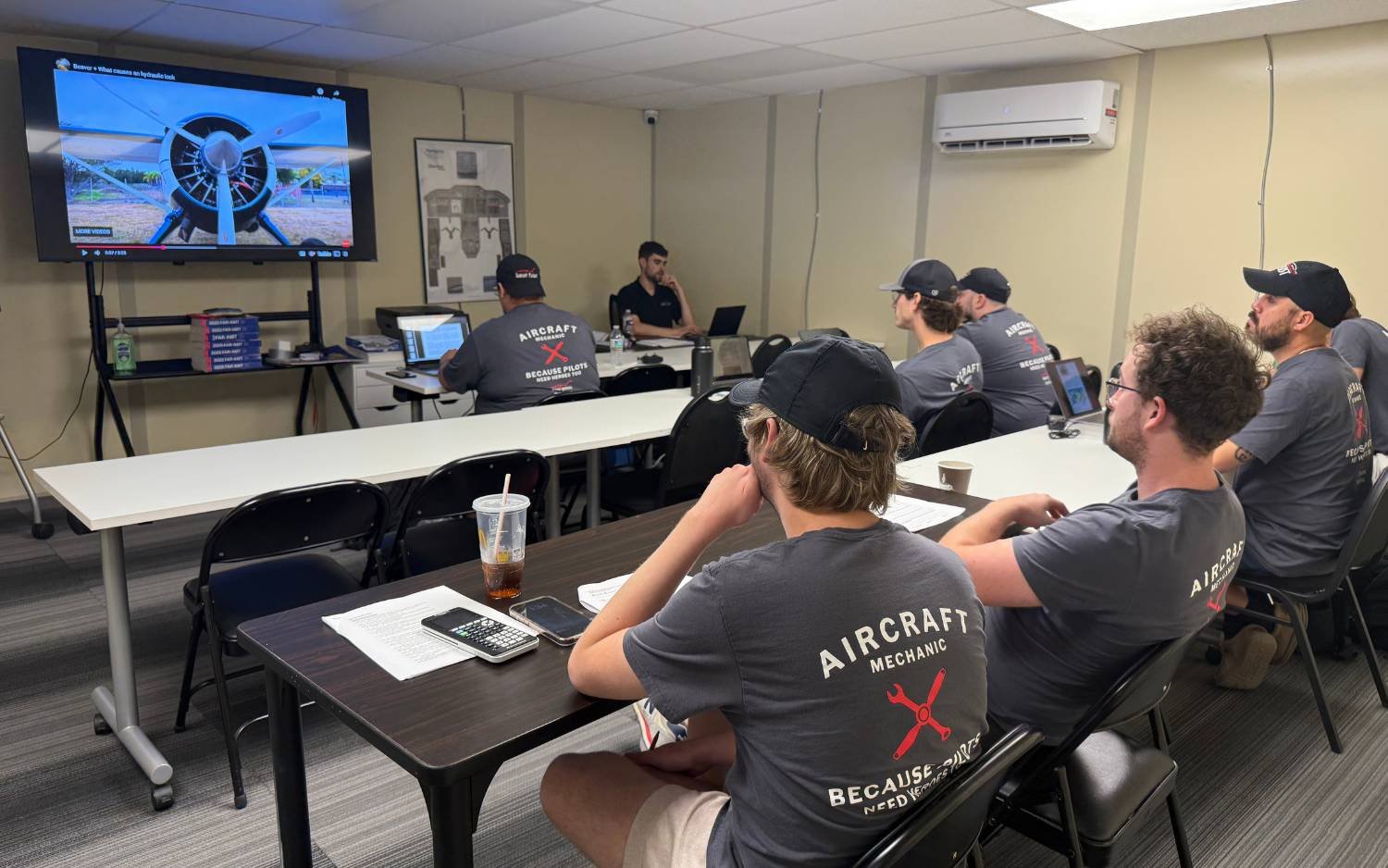
- Online coursework: Aviation regulations, weight and balance calculations, aircraft systems theory, human factors, weather. This is the knowledge-based material that translates reasonably well to a screen.
- In-person lab sessions: Hands-on work with actual aircraft components, sheet metal, engines, avionics, and systems. You need to be physically present for this — no exceptions.
Some programs schedule their in-person sessions in concentrated blocks — a few weekends per month, or intensive weeks spread throughout the year. That format can work well if you’re working full-time and can’t commit to a traditional five-days-a-week program.
How Part 147 Regulations Shape Your Options
Part 147 is the FAA regulation that governs approved AMT schools. If a school wants to be “Part 147 approved,” it has to meet specific standards for curriculum, facilities, instructors, and — critically — training hours.
The required curriculum is divided into three areas:
- General: Math, physics, electricity, weight and balance, regulations, and other foundational topics.
- Airframe: Structures, hydraulics, landing gear, fuel systems, flight controls, sheet metal, and more.
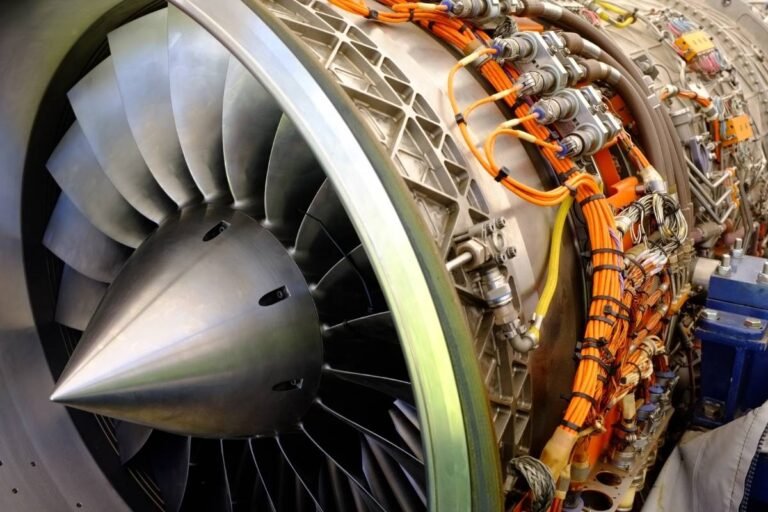
- Powerplant: Reciprocating and turbine engines, propellers, engine instruments, fuel metering systems, and related areas.
You can pursue Airframe only, Powerplant only, or the combined A&P. Most people go for both — it opens more career doors and gives you more flexibility on the ramp.
Here’s the key thing to understand about Part 147 and online learning: the FAA does allow schools to deliver some theoretical instruction via distance learning. What it doesn’t allow is substituting remote study for required practical hours. A Part 147 school offering a hybrid format still has to document that you’ve completed the required hands-on training — and that training happens in person.
When you’re evaluating any program, ask directly: “Is this school Part 147 approved?” If the answer is no, find out how graduates are eligible to sit for the FAA written, oral, and practical tests. There is a non-school path to the A&P (18 months of documented work experience under a certificated mechanic), but that’s a separate route entirely.
Hybrid Programs: The Real Middle Ground
The good news is that hybrid AMT programs have grown meaningfully over the past decade. Some community colleges and specialized aviation schools now offer formats designed specifically for working adults who can’t relocate or attend full-time.
What separates a well-designed hybrid program from a poorly designed one comes down to a few things:
Facility access: Do the in-person sessions use real aircraft, engines, and shop equipment? Or are you working primarily with tabletop trainers? Real equipment matters. The skills and judgment you build working on an actual engine in a shop are different from anything a trainer delivers.
Schedule clarity: Is the in-person requirement spelled out clearly before you enroll? How many weekends per semester? How far in advance are sessions scheduled? These details matter a lot if you’re working around a job or family obligations.
Instructor experience: Are the instructors certificated A&P mechanics with recent industry experience? You want someone who has actually turned wrenches on aircraft, not just taught about it.
Employer recognition: This one gets overlooked. Some aviation employers have preferences — formal or informal — about where AMT candidates trained. A hybrid program from a well-regarded school carries the same weight as a traditional one. A program with minimal industry footprint might raise questions at an interview.
If you’re actively comparing schools, our school directory lets you filter by state, program type, and VA approval status — useful starting points when you’re trying to identify programs with flexible scheduling options.
Red Flags to Watch Out For
Not everyone advertising online AMT training is offering a legitimate path to licensure. A few things that should prompt harder questions:
“Get your A&P entirely online”: Under current FAA rules, this isn’t possible through a Part 147 program. If a program is claiming this, either it’s not Part 147 approved (which may be fine depending on your situation, but you need to understand what that means for testing eligibility), or the marketing isn’t accurate about what the training involves.
No physical campus or facility address: A legitimate AMT program has a shop. It has tools. It has aircraft or aircraft components. If you can’t find a physical address and some indication of what the facilities look like, dig deeper before committing any money.
Vague answers about FAA testing eligibility: Ask directly: “After completing this program, am I eligible to sit for the FAA Aviation Mechanic knowledge tests, and the oral and practical exams?” A legitimate school will give you a clear, confident answer.
Suspiciously short timelines: A combined A&P program runs 18–24 months in an accelerated format, and longer in a part-time structure. Programs claiming significantly shorter timelines may not be delivering the required curriculum hours — which means they may not be meeting Part 147 standards.
Making the Choice That Fits Your Life
There’s no single right way to approach AMT training. Some people do best in a traditional, full-time program where they’re immersed in aviation five days a week. Others need the flexibility of a hybrid format because they have jobs, families, or geographic constraints that make full-time school genuinely impractical.
Both paths lead to the same credential — a valid A&P certificate and the ability to start your career in aviation maintenance. The key is being honest about what your life actually looks like right now, and finding a program designed for that reality.
A few questions worth thinking through as you research:
- How far are you willing to commute or travel for in-person lab sessions?
- Can you commit to concentrated multi-day lab sessions periodically, or do you need a steadier part-time schedule?
- Are there Part 147 schools within a reasonable distance that offer evening or weekend lab options?
- What type of employer are you hoping to work for eventually, and do they have preferences about training background?
If you’re still working through the decision, our guide on how to choose an AMT school walks through the full comparison in more detail — including what questions to ask admissions offices before you commit.
The Bottom Line on Online AMT School
Searching for an online AMT school isn’t misguided — it’s a practical question that a lot of people in real circumstances need a real answer to. That answer is that hybrid programs exist and can work well, but fully remote A&P training isn’t possible under current FAA Part 147 requirements.
What you’re really looking for is a program flexible enough to fit your life while rigorous enough to actually prepare you for the job. Those programs are out there. They take a bit more research to find, but the effort is worth it — because choosing the wrong program wastes not just money, but time you won’t get back.
When you’re ready to start comparing specific schools by state, program format, and accreditation, the AMT Registry school directory is a solid place to begin.