The 7 Best Aircraft Mechanic Schools in the United States
So you’ve decided you want to become an A&P mechanic. Smart move. Now comes the part that trips a lot of people up: figuring out which school is actually worth your time and money.
There are hundreds of FAA-approved Part 147 aviation maintenance technician schools in the U.S. Most of them will get you to the same finish line: eligible to sit for your FAA written, oral, and practical exams. But not all of them get you there at the same speed, or with the same quality of training.
For this list, we focused on two things: how fast you can complete the program and how well the training actually prepares you for the job. That second one is harder to measure, but it shows up in the curriculum, the facilities, the instructor experience, and the employer relationships schools have built.
Here are the top aircraft mechanic schools in the United States.
1. Thrust Institute of Maintenance
Locations: Addison, TX | Fort Worth, TX | Conroe, TX
Program Length: 10 months
Tuition: $39,539 (includes books, lab fees, and tool rental)
Accreditation: FAA Part 147
If speed is your priority, Thrust Institute of Maintenance is in a class of its own. While most programs take 20–28 months to complete, Thrust’s FAA-approved program gets you trained and A&P-ready in just 10 months.
It’s a compressed, full-time schedule designed to get you into the workforce faster without cutting corners on what the FAA requires.
Over the course of 10 months, you’ll gain the knowledge and skills required to excel in aviation maintenance, preparing you to pass the FAA test and become a certified Airframe and Powerplant Technician.
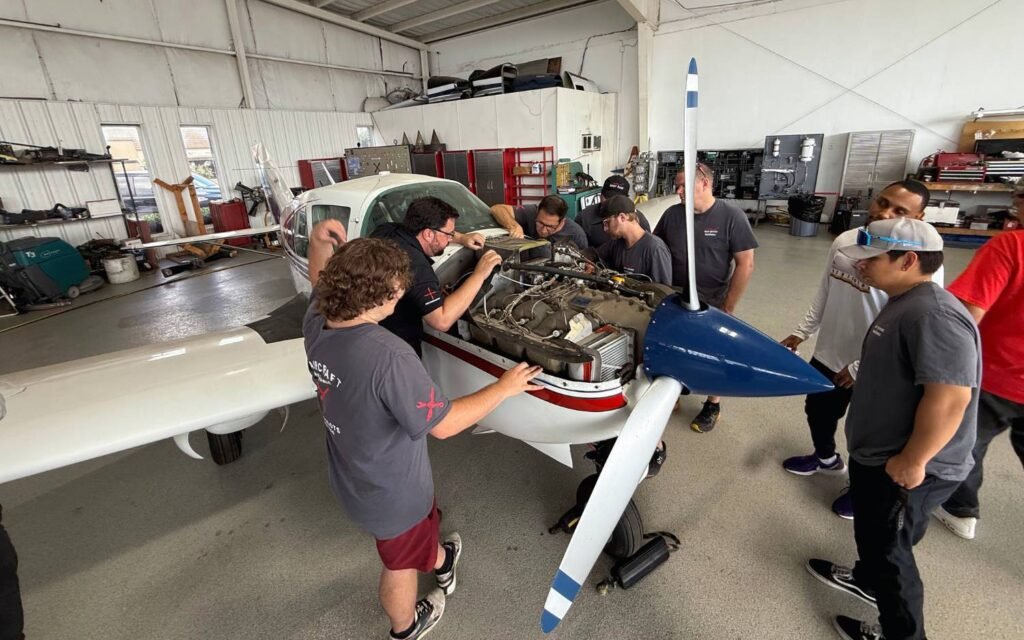
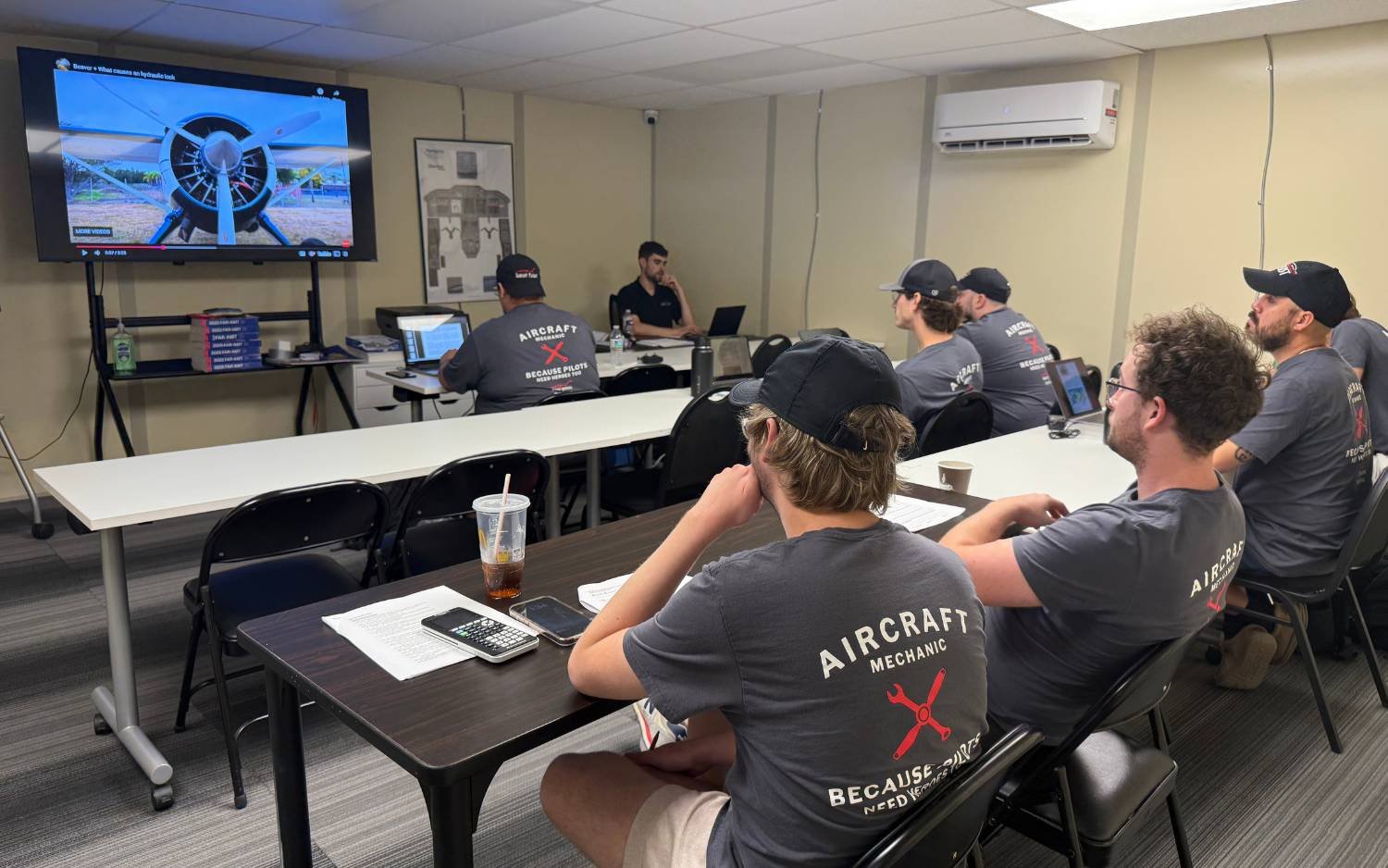
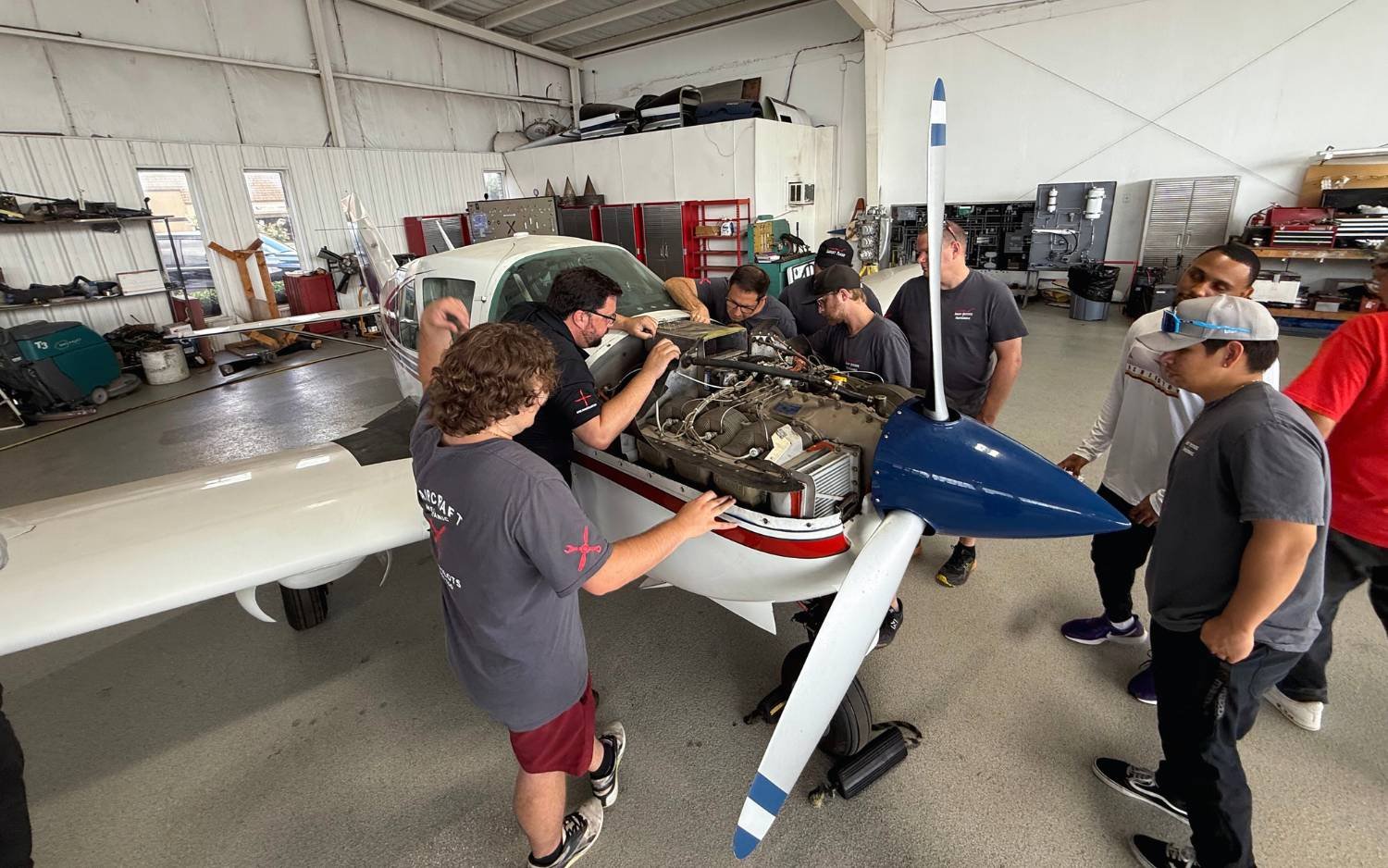
The program includes hands-on training on a variety of aircraft engines and airframes, small class environments that allow for one-on-one instructor time, and job placement support with local employer relationships.
Thrust operates three locations across Texas: two in the DFW metroplex and one in Conroe, TX, serving the Houston area. That puts you close to some of the busiest aviation markets in the country the moment you finish.
The total cost of $39,539 is all-in: tuition, books, lab fees, and tool rental are all included.
Financing is available through Sallie Mae and Stratus Financial Partners. It’s worth noting that Thrust does not currently accept VA benefits, something to factor in if you’re a veteran, though the school has indicated that may change.
Why it’s #1: The combination of one of the fastest program in the country, real hands-on training, transparent all-in pricing, and three Texas locations in major aviation hubs makes Thrust the top pick for anyone who wants to get trained and get hired as quickly as possible.
2. Aviation Institute of Maintenance (AIM)
Locations: 15 campuses nationwide, including Dallas, Houston, Chicago, Charlotte, Atlanta, Orlando, Indianapolis, Kansas City, Las Vegas, Norfolk, Philadelphia, Phoenix, Teterboro, Manassas, and Fremont Program Length: 21 months
Tuition: Location specific but typically $50,000+
Accreditation: FAA Part 147 | ACCSC
If reach and employer connections are what you’re looking for, AIM is hard to beat. With 15 ACCSC-accredited schools, AIM gives you direct access to aviation maintenance training that mirrors real-world work environments.
The training itself is solid. Learning centers, aircraft hangars, and labs mirror work environments and use the same tools found in the field. But what really sets AIM apart is the employer pipeline.
AIM has partnered with Piedmont Airlines through a Tuition Payment Program that provides tuition assistance and a conditional job offer to students who complete the program. As United Airlines’ top recruiting destination, AIM helped launch the Calibrate Technician Pathway Program, which streamlines the application and interview process for AIM grads. When American Airlines created nearly 500 new aviation maintenance jobs, they came straight to AIM to find the talent.

AIM’s 21-month program includes a 5-week block specifically dedicated to FAA certification exam preparation, with the cost of the exams rolled into tuition and fees.
The 21-month timeline is longer than Thrust’s 10 months, but the national footprint, with campuses near major aviation hubs from Chicago to Dallas to Phoenix, means more students can attend without relocating. If you’re near an AIM campus and want a direct line to major airline employers, this is a serious option.
3. Pittsburgh Institute of Aeronautics (PIA)
Locations: Pittsburgh, PA | Hagerstown, MD | Youngstown, OH | Myrtle Beach, SC
Program Length: 16–21 months (varies by campus and program)
Accreditation: FAA Part 147 | ACCSC | School of Excellence (2023–24)
PIA has been in the aviation maintenance training business since 1929. It means nearly a century of curriculum refinement, industry relationships, and graduates working in every corner of commercial and military aviation.
PIA’s flagship Aviation Maintenance Technology program has led the industry in providing certificated aircraft mechanics for over 90 years, with graduates finding careers in commercial aviation, aircraft manufacturing, medical transport, space, and MRO facilities.
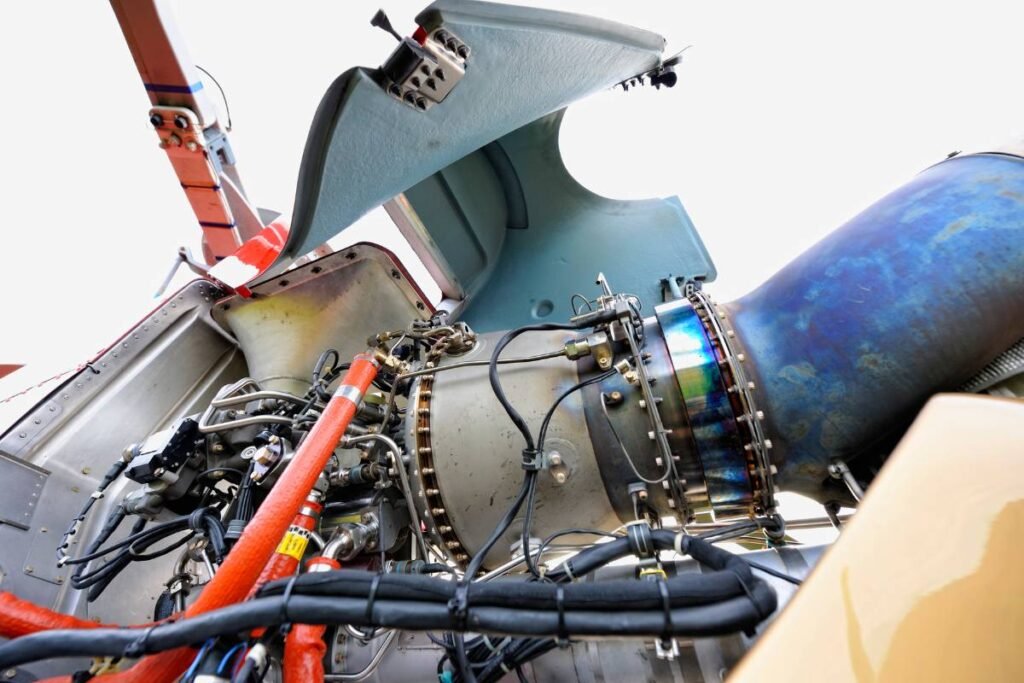
The program is built around hands-on learning. Training at PIA emphasizes hands-on projects designed to mirror the work of aviation technicians in the industry. It’s reflected in the curriculum, which covers everything from composite materials and sheet metal work to hydraulics, non-destructive testing, and advanced turbine systems.
PIA’s Pittsburgh campus has been recognized as a “School of Excellence” in 2023–24 by ACCSC, and the school has active employer partnerships including a tuition sponsorship program with Piedmont Airlines at the Hagerstown and Myrtle Beach campuses. The institute maintains high employment rates, with campus-specific placement rates ranging from 88% to 96% for recent graduates.
For students who want the credibility of a nearly century-old institution and strong regional employer connections, PIA delivers.
4. Embry-Riddle Aeronautical University (ERAU)
Locations: Daytona Beach, FL | Prescott, AZ | Worldwide Online
Program Length: 16–22 months (Associate’s); ~6 months (Certificate)
Accreditation: FAA Part 147 | SACSCOC | AABI
Embry-Riddle is the most recognized name in aviation education, full stop. It is the largest accredited university system specializing in aviation and aerospace, with programs accredited by the Aviation Accreditation Board International (AABI).
The Aviation Maintenance Science (AMS) program at the Daytona Beach campus is built around earning your A&P certification as the core, then adding general education and technical depth on top of it. These highly hands-on degree programs include 47 credit hours of airframe and powerplant technical courses, preparing graduates to work for large aircraft manufacturers, airlines, or commercial companies.
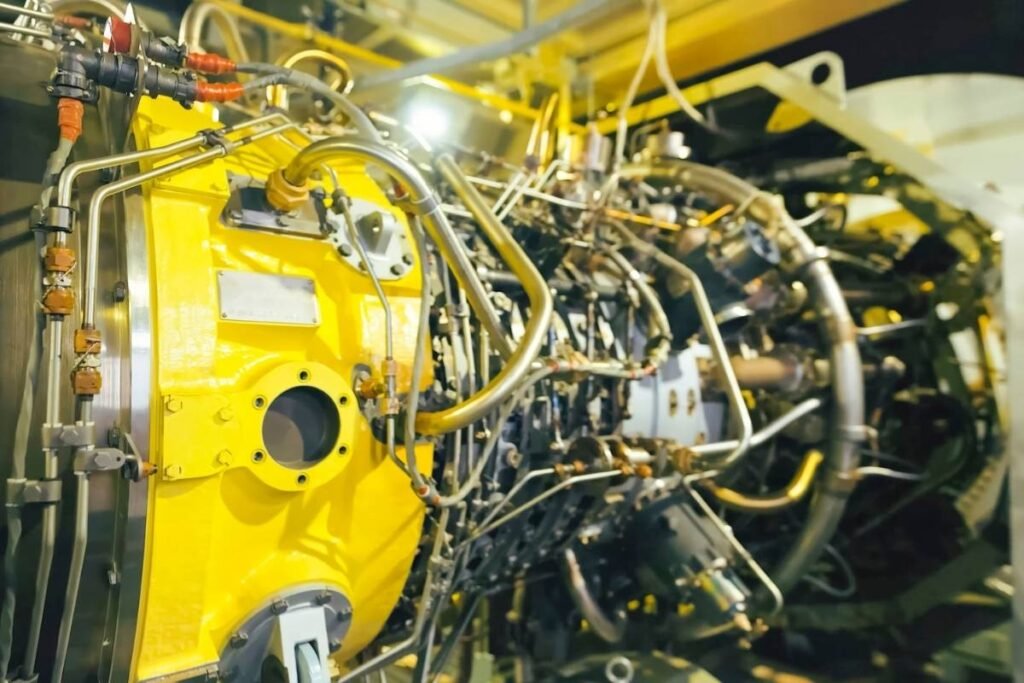
The Associate of Science in Aviation Maintenance Science takes 16 months, four semesters, to complete. ERAU also offers a faster 18-credit certificate program that can be completed in approximately 6 months for those who already have experience, as well as a SkillBridge program specifically designed for transitioning military personnel.
The tradeoff with ERAU is cost. It’s a university, not a trade school, and tuition reflects that. But for students who want the prestige of an ERAU degree, access to a deep alumni network across the aviation and aerospace industry, and the credibility that opens doors at the biggest employers in the business, it’s hard to argue with the brand.
5. MIAT College of Technology
Locations: Canton, MI | Houston, TX
Program Length: ~15–18 months
Accreditation: FAA Part 147 | ACCSC
MIAT, formerly the Michigan Institute of Aviation and Technology, has been training aviation maintenance technicians for decades out of its Canton, Michigan campus, with a second location in Houston, TX. The Aviation Maintenance Technology department emphasizes aircraft systems, maintenance procedures, and regulatory compliance, preparing students for careers in aircraft repair and inspection.
MIAT’s reputation is built on practical, focused training. The school skews heavily technical. This is a trade school through and through, not a university experience. If you want a structured program with real hands-on shop time, close to major Midwest aviation employers, MIAT delivers that without a lot of extras wrapped around it.
The Houston campus makes MIAT a solid option for students in the Gulf Coast region who want a straightforward path to their A&P certification. Tuition runs roughly $17,000–$18,000 per academic year, putting it in a more accessible range compared to some of the specialty schools on this list.
6. North Central Institute (NCI)
Location: Clarksville, TN
Program Length: ~2 years (for full AS degree with A&P certification)
Accreditation: FAA Part 147 | Council on Occupational Education
NCI sits right next to Fort Campbell, one of the largest U.S. Army installations in the country, and that proximity is intentional. Veteran-owned and grounded over 35 years of service, NCI has championed accessible and affordable education, especially for veterans, women, minorities, and underrepresented communities.
NCI’s 30,000 sq. ft. training facility features aviation labs and classroom space designed to simulate a real-world aviation environment. The student-to-faculty ratio is notably low, around 12:1, meaning you’re actually getting instructor attention, not fighting 40 other students for shop time.
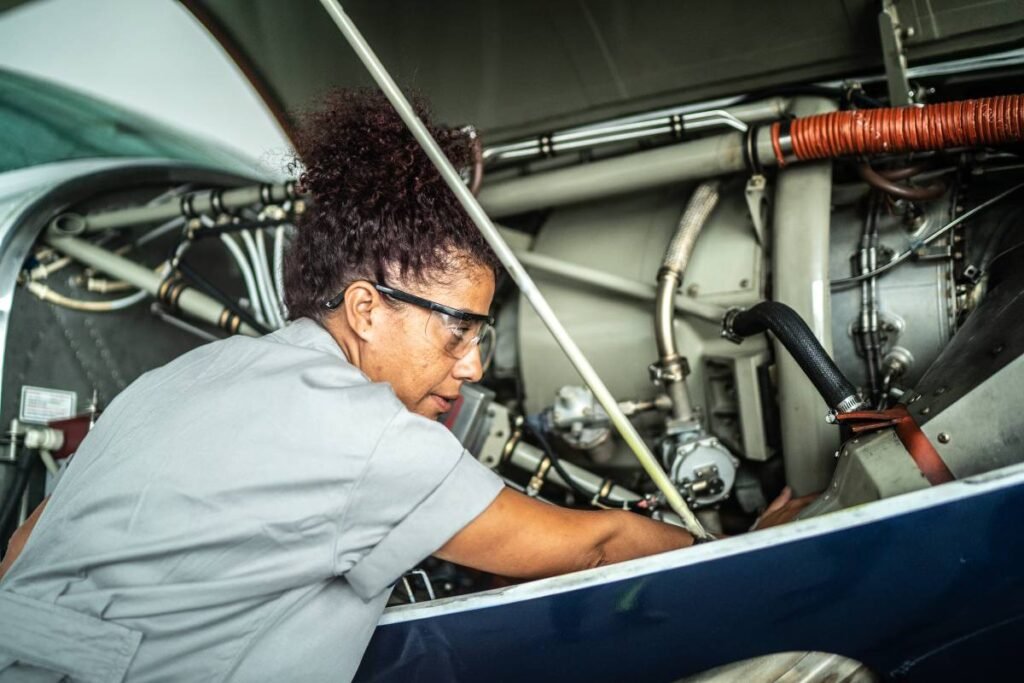
The school also offers an Associates of Applied Science degree in Aviation Technology alongside the A&P certificate track, giving students the option to graduate with both credentials. NCI also offers an Aviation Maintenance Technology (AMT 65) program for individuals who already have an aviation background and qualify for FAA ratings without completing the full Part 147 curriculum.
For veterans, particularly those transitioning out of Fort Campbell, NCI is worth a very close look. The location, the mission, the culture, and the GI Bill support all align in a way that’s hard to find at most other schools.
7. Mt. San Antonio College (Mt. SAC)
Location: Walnut, CA Program Length: 24 months (day or evening)
Tuition: ~$2,760 for California residents
Accreditation: FAA Part 147
If you’re a California resident and budget is a real factor, Mt. SAC belongs at the top of your list. The Aircraft Maintenance Technology program costs approximately $2,760 in tuition for in-state students.
The low cost doesn’t reflect low quality. Mt. SAC’s aeronautics program has been running since the 1940s and is the largest two-year aviation program in California. It’s nationally recognized, and the AMT track is one of the most respected in the country.
Faculty come from backgrounds in general aviation, commercial aviation, helicopters, and corporate aircraft maintenance. In a recent graduate survey, 100% of responding graduates were employed in the field. Graduates’ FAA certification test scores also consistently run above the national average.
The program runs 24 months and is offered in both day and evening formats, which matters if you’re working while you train. You’re not cramming everything into mornings. There’s a fully structured evening path designed specifically for working students.
Mt. SAC also has transfer agreements with Embry-Riddle, Southern Illinois University, California Baptist University, and Cal State LA, so if you want to parlay an A&P certification into a bachelor’s degree down the road, there’s a clear path to do that without starting over.
At $2,760 for a complete FAA-track degree from one of the most respected programs in the western United States, it’s one of the best deals in aviation training, period.
How to Choose
Every school on this list will get you to the same certification. The FAA doesn’t care where you trained. It cares that you can pass the exams and do the work.
What the right school does is get you there in a way that fits your life. Here’s a quick way to think about it:
Fastest path to the job market → Thrust Institute of Maintenance (10 months)
Best airline employer connections → Aviation Institute of Maintenance
Most established reputation and track record → Pittsburgh Institute of Aeronautics
Best for a degree-plus-certification combo → Embry-Riddle Aeronautical University
Best for veterans near Fort Campbell → North Central Institute
Best practical value in the Midwest → MIAT College of Technology
Best value for California residents → Mt. San Antonio College
The right answer depends on where you live, how fast you want to move, and what kind of job you want when you graduate. But any of these schools will put you on a legitimate path to a career with real earning potential and long-term stability.
Start there. Figure out the rest as you go.
All program details reflect publicly available information as of 2025–2026. Tuition and program lengths are subject to change. Verify directly with each school before enrolling.
Ready to dig deeper? Explore AMT school profiles in our directory →