
Category: Aviation Maintenance Technician School

  • Honolulu Community College

    Honolulu Community College

    Honolulu Community College offers an Aeronautics Maintenance Technology program in Honolulu, Hawaii, designed to prepare students for careers maintaining and servicing aircraft. As part of the University of Hawai’i system, Honolulu CC is a public college that typically serves both local students and those relocating to Hawaii for technical training. The Aeronautics Maintenance Technology pathway is commonly positioned as an associate-level, career-focused program that combines classroom instruction with hands-on lab experience. For prospective aircraft mechanics, the most important question is whether the curriculum aligns with FAA requirements and whether graduates are prepared to pursue the Airframe and Powerplant certification process. Programs in this category are generally structured around the FAA subject areas required for safe, legal aircraft maintenance work.

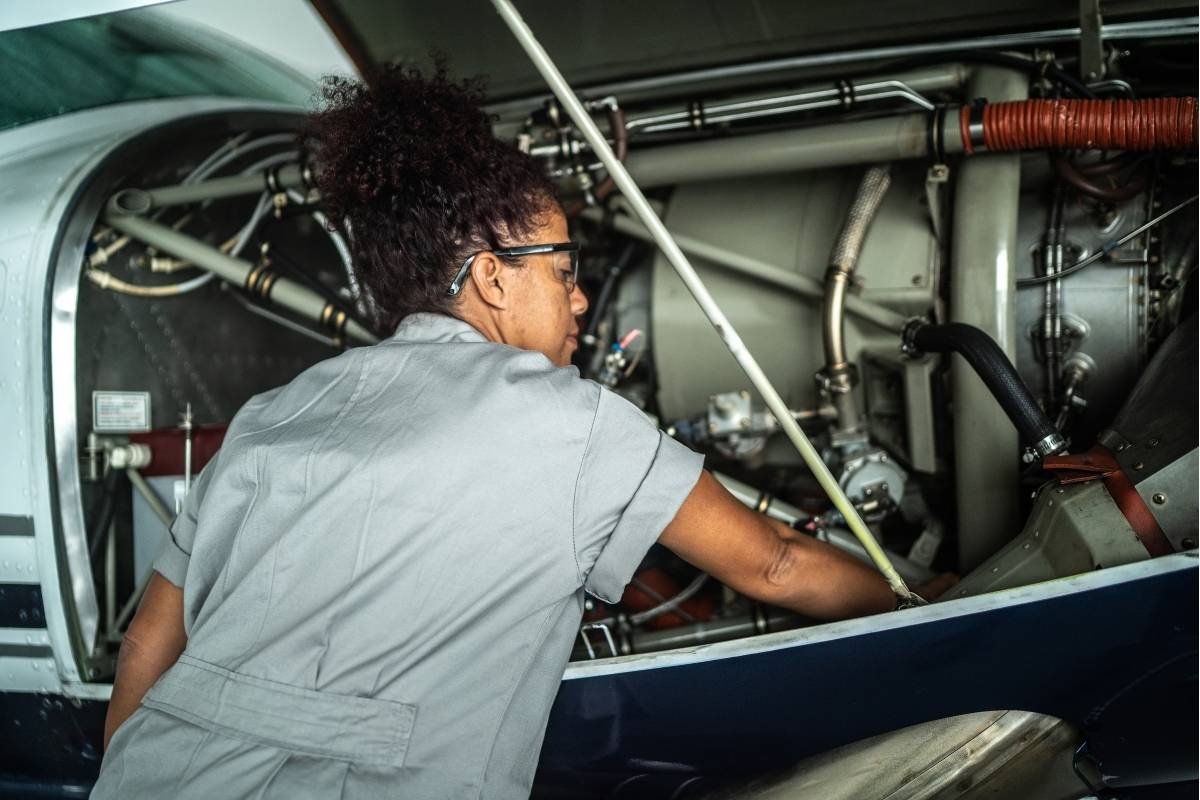
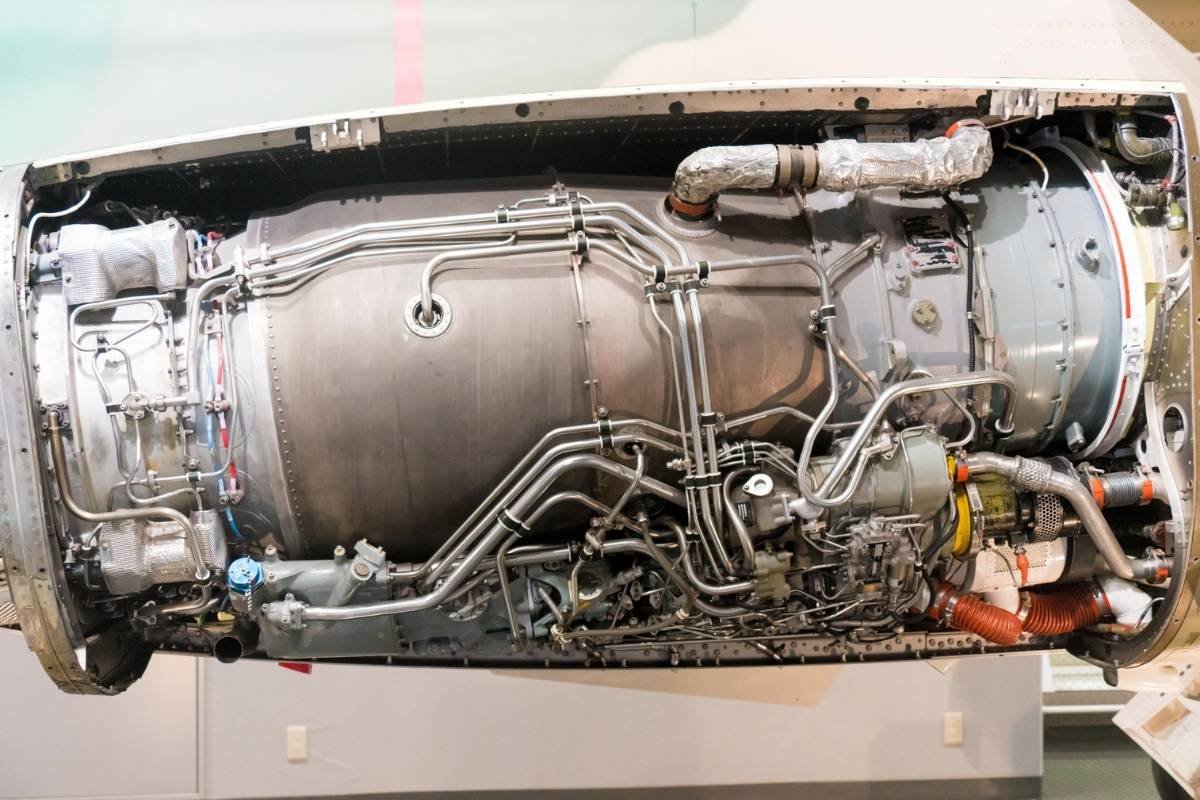
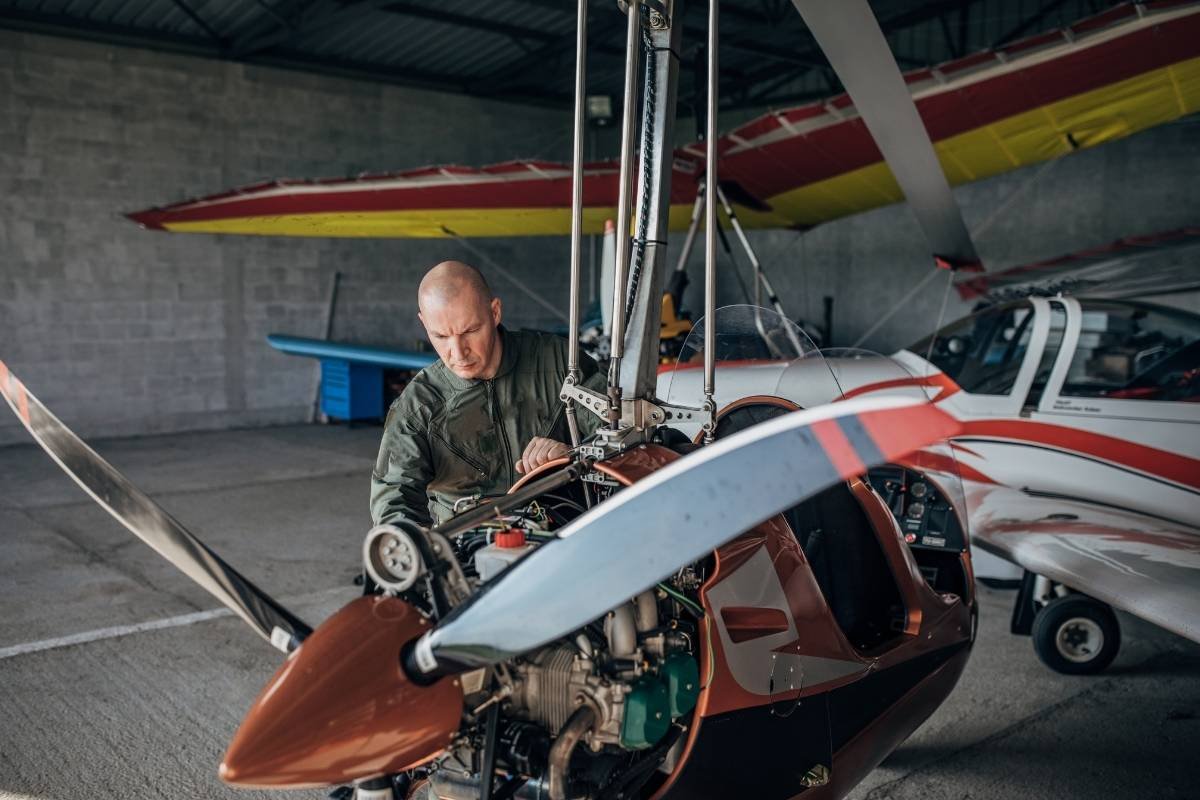
    Students can expect the program to cover core topics such as aviation regulations, maintenance documentation, and safety procedures; aircraft structures and materials; inspection methods; basic electricity and aircraft wiring practices; and the systems found on modern aircraft. In addition, powerplant training typically includes both reciprocating and turbine engine fundamentals, fuel and ignition systems, propellers, and troubleshooting techniques. A well-run maintenance program emphasizes professional habits as much as technical skills: students learn to use maintenance manuals properly, follow standard practices, apply torque and safetying techniques correctly, and document work in a way that meets regulatory expectations.

    Because Hawaii is geographically isolated, it is especially important for students to understand how a program connects to local industry needs and to ask about job placement pathways and employer relationships. Aviation maintenance can lead to opportunities in airline maintenance, general aviation, helicopter operations, and specialized repair stations. If you plan to work on the mainland after training, ask how the program supports your transition, including exam preparation support and guidance on building a technician resume.

    When comparing Honolulu Community College to mainland programs, factor in both program intensity and cost of living. Confirm the expected time to completion in months, the daily schedule for labs, and any prerequisites required prior to entry. Also ask about out-of-pocket items such as tools, books, and testing fees, and whether the school provides access to dedicated lab facilities and aircraft training aids. The best way to validate fit is to review the specific Aeronautics Maintenance Technology program page, then speak with program advisors or admissions to confirm timelines, start terms, and the steps needed to move from enrollment to FAA testing eligibility and entry-level employment.


  • Liberty University

    Liberty University

    Liberty University’s School of Aeronautics offers a robust Aviation Maintenance Technician program that combines professional technical training with a biblical worldview. The program provides multiple pathways, including a residential AA in Aviation Maintenance and an online BS in Aviation Maintenance Management designed for existing A&P certificate holders. Liberty’s FAA Part 147 compliant curriculum is noted for its efficiency, allowing students to earn their technical certifications in as little as 12 months through a concentrated cohort format. This intensive approach prepares students for careers with major airlines, international NGO fleets, and corporate aviation.

    The training at Liberty focuses on the mechanical and ethical precision required for air safety, with coursework covering turbine engines, electrical systems, and advanced maintenance practices. Students benefit from strong industry partnerships with companies like Boeing, which contribute to a nearly 100% job placement rate for graduates. The university’s state-of-the-art flight simulators and dedicated maintenance hangars provide a comprehensive learning environment that bridges the gap between technical theory and operational reality. By integrating leadership and safety training into its core curriculum, Liberty University produces technicians who are prepared for both frontline maintenance and future management roles.

  • Tulsa Technology Center

    Tulsa Technology Center

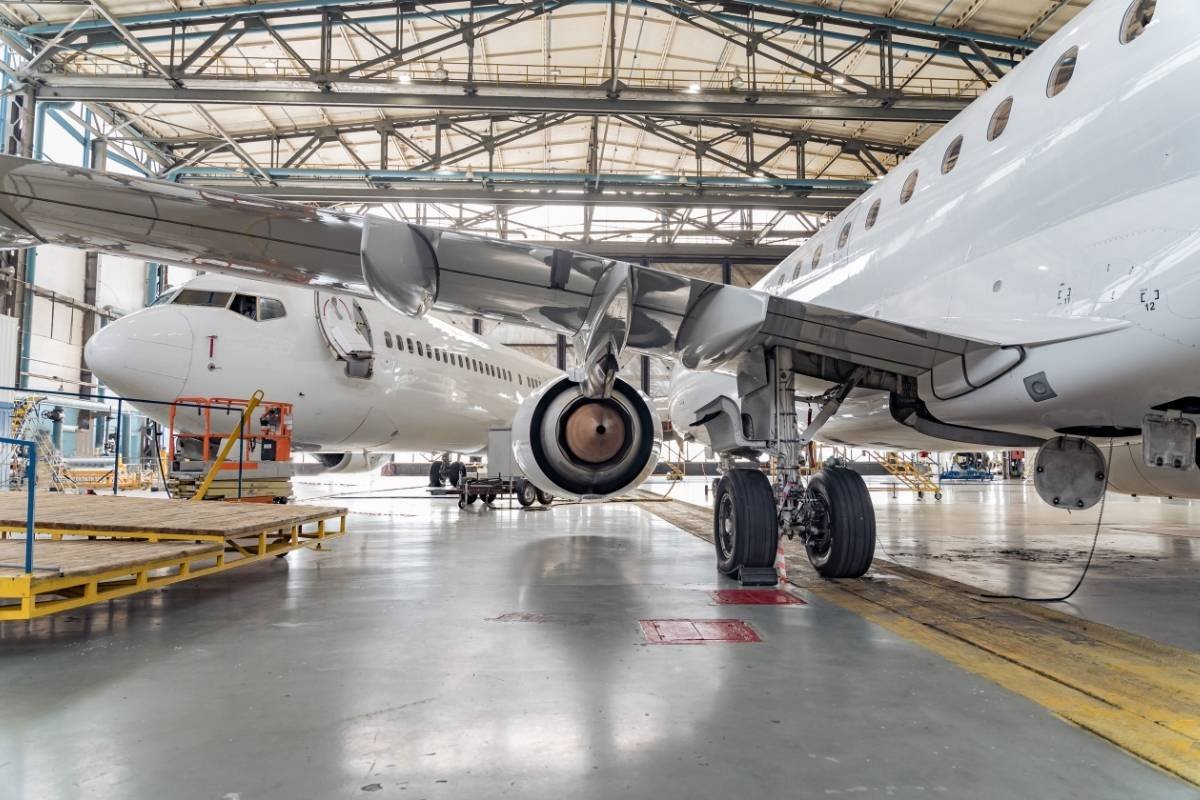
    Tulsa Technology Center (Tulsa Tech) provides a world-class Aviation Maintenance Technology program at its Riverside Campus in Tulsa, Oklahoma. As an FAA Part 147 school, it trains students for Airframe and Powerplant certification. The program features an expansive hangar complex with commercial jets and general aviation aircraft. Tulsa Tech has strong partnerships with American Airlines and other major MROs at the Tulsa International Airport, offering students direct pathways to employment.

  • Mohawk Valley Community College

    Mohawk Valley Community College

    Mohawk Valley Community College (MVCC) in Rome, New York, offers a unique and highly efficient Airframe and Powerplant Technician Certificate program. distinctive for being one of the few 12-month, year-round FAA Part 147 programs in the country. Located at the Griffiss International Airport, a former Air Force base, the program provides an immersive aviation environment. MVCC also offers an Associate in Applied Science degree for students who wish to add academic credentials to their technical certification.

    The MVCC curriculum is intense and fast-paced, designed to get students into the workforce quickly without compromising quality. Training takes place in a dedicated aviation center with access to large transport-category aircraft, including a Boeing 727. Students receive comprehensive instruction in aircraft structures, turbine engines, and aircraft systems. The program prides itself on its high placement rate and its ability to attract students from across the region. Mohawk Valley Community College is a key pipeline for aviation technicians in the Northeast, supplying skilled professionals to regional airlines, repair stations, and aerospace manufacturers.

  • Canadian Valley Technology Center

    Canadian Valley Technology Center

    Canadian Valley Technology Center (CV Tech) offers an FAA-approved Aviation Maintenance Technology program at its El Reno Campus in Oklahoma. The 20-month program provides nearly 2,000 hours of intensive training, preparing students for the full suite of Airframe and Powerplant (A&P) certification exams. CV Tech’s curriculum is deeply rooted in aviation science and theory, covering aircraft shop practices, metallic structure repair, and advanced reciprocating and turbine engine systems. The center also maintains a partnership with Redlands Community College, offering graduates a pathway to earn an AAS degree.

    Students at CV Tech gain hands-on experience in specialized labs focusing on sheet metal fabrication, landing gear troubleshooting, and electrical component maintenance. The program is known for its rigorous training standards and its emphasis on flight safety and procedural accuracy. By providing a comprehensive education in both traditional and modern maintenance techniques, CV Tech equips its students with the versatility needed to support commercial, private, and regional aviation sectors. Graduates enter the workforce as skilled technicians, often securing competitive starting salaries in Oklahoma’s robust aerospace and defense industries.

  • Cuesta College

    Cuesta College

    Cuesta College features a premier 19-month cohort-style Aviation Maintenance Technology program located at the San Luis Obispo County Airport in California. This FAA-approved program is designed to provide an intensive, focused path to Airframe and Powerplant certification, offering both day and evening options to suit a variety of student needs. Cuesta is distinguished by its hands-on instructional model, where students perform maintenance on a showcase fleet that includes high-performance jets and corporate turboprops.

    The training at Cuesta goes beyond the basics, diving into advanced topics such as composite structural design, avionics systems, and complex hydraulic troubleshooting. Students are trained to think like investigators, mastering the diagnostic skills needed to ensure airworthiness and flight safety. By training in an active airport environment, graduates gain a first-hand understanding of professional hangar operations and regulatory compliance. Cuesta College’s commitment to technical excellence and its strong industry ties make its graduates some of the most sought-after technicians in the California aerospace corridor.

  • Everett Community College

    Everett Community College

    Everett Community College (EvCC) operates a world-class Aviation Maintenance Technology program located at the Aerospace-focused Paine Field in Everett, Washington. This program is uniquely positioned adjacent to major aerospace manufacturers, providing students with unparalleled access to industry-relevant training. EvCC’s curriculum is FAA-certified and covers the full breadth of General, Airframe, and Powerplant maintenance, with an emphasis on both traditional mechanical skills and modern advanced composites.

    Students at EvCC train in a state-of-the-art facility that mirrors a professional maintenance hangar, working on a diverse fleet of aircraft. The program is designed to meet the high demand for technicians in the Pacific Northwest’s robust aerospace corridor, producing graduates who are highly competitive for roles at Boeing and various regional MROs. By integrating industry partnerships into the learning experience, Everett Community College ensures its technicians are prepared for the immediate and future technical challenges of the aviation industry.

  • Hudson Valley Community College

    Hudson Valley Community College

    Hudson Valley Community College (HVCC) delivers its Aviation Maintenance Technician Program through the Aeronautical Technical Institute (ATI), a specialized training hub located directly at Albany International Airport (ALB). That airport-based setting is one of the program’s biggest strengths: ATI is designed around advanced aviation labs, testing equipment, and a fully operational maintenance hangar with immediate airfield access. For students, that means training happens in a context that closely resembles the workplaces where A&P technicians actually build their careers.

    HVCC’s ATI Aviation Maintenance Technician Program is framed as a 12-month pathway with extensive hands-on instruction. The school emphasizes small class sizes and personal attention from instructors important in a skill trade where feedback and repetition are what turn I watched it once into I can do it safely and correctly. Coursework focuses on the design, construction, maintenance, and repair of major aircraft systems and components, including hydraulics and pneumatics devices, propulsion systems, propellers, aircraft painting, component overhaul, basic electronics, environmental systems, sheet metal, composite structures, and both fixed-wing and rotor-wing aircraft topics. Program objectives include building knowledge of FAA regulations and procedures and developing safe work habits and skills two themes that employers consistently care about in maintenance hiring.

    ATI also explains the certification pathway in practical terms. FAA certification requires passing written, oral, and practical exams, and the school notes that the rigor of those exams is exactly why AMT/A&P credentials are highly regarded. By structuring training around exam readiness and hands-on competence, ATI aims to help students not only meet the testing bar, but also demonstrate workplace readiness when they begin applying to airlines, repair stations, manufacturers, corporate flight departments, and general aviation organizations.

    From a logistics standpoint, ATI publishes clear contact details and is explicit about its airport location: 6 Jetway Drive, Albany, NY 12211. HVCC also publishes upcoming class timing and, through workforce development schedules, lists a daytime training cadence (8:00 a.m. to 4:00 p.m.) and a published program cost for at least some cohorts. That transparency helps students plan around work, childcare, and relocation.

    If you want a high-intensity, airport-based AMT program with a defined one-year timeline, heavy hands-on emphasis, and a facility purpose-built for aircraft maintenance training, HVCC’s Aeronautical Technical Institute is a strong Northeast option especially for students who value being trained where aviation work actually happens.

  • Lincoln Land Community College

    Lincoln Land Community College

    Lincoln Land Community College (LLCC) operates a premier Aviation Maintenance Technology program at the Levi, Ray & Shoup Aviation Center, located directly on the grounds of Abraham Lincoln Capital Airport in Springfield, Illinois. This FAA-approved Part 147 program offers both an Associate in Applied Science degree and specialized certificates in Airframe and Powerplant mechanics. The facility is equipped with modern classrooms and a spacious hangar, allowing students to train on a diverse fleet of aircraft ranging from single-engine trainers to corporate jets.

    The LLCC curriculum is designed to provide the 1,900 hours of training required for FAA certification, with a strong emphasis on hands-on skill development. Students learn to service reciprocating and turbine engines, repair metallic and composite structures, and troubleshoot complex avionics systems. The program’s location at an active airport provides unique networking opportunities and a realistic operational environment. Lincoln Land graduates are highly regarded for their technical proficiency and safety mindset, often securing employment with regional airlines, agricultural aviation operators, and corporate flight departments throughout the Midwest.

  • U.S. Aviation Academy – Atlanta

    U.S. Aviation Academy – Atlanta

    U.S. Aviation Academy operates FAA Part 147 aviation maintenance training designed to prepare students for the Airframe & Powerplant (A&P) certificate through an accelerated, career-focused model. At the Atlanta area location, the program is positioned as an immersive pathway for career changers and aviation enthusiasts who want to move from training to employment faster than the traditional 21-24 month timeline often associated with many A&P schools. turn1search2

    Training model and what students do: Across its A&P program pages, U.S. Aviation emphasizes hands-on learning with real aircraft components and shop work, supported by classroom instruction aligned to FAA standards. The school highlights that its A&P curriculum is FAA Part 147 approved and that students work through the knowledge areas required for the FAA written tests and the oral and practical exams. The Atlanta program page also emphasizes that tools are provided for use during training, which can reduce a major out-of-pocket expense that students sometimes face at other schools. turn1search2

    Location and facilities: The Atlanta A&P training site is based at Forest Park, Georgia (southeast of Hartsfield-Jackson Atlanta Airport). The published campus address and contact phone are provided on U.S. Aviation’s program pages, which is useful for prospective students comparing commute time, nearby housing options, and local aviation employers. turn1search2

    Schedule and program length: US Aviation describes an accelerated day option as short as 8 months and mentions longer part-time/night options up to about 15-16 months. In practical terms, this means many students can choose an accelerated daytime track if they can attend full-time, while others may be able to pursue a longer night or alternative schedule depending on what the campus offers at the time. For prospects, the right question to ask admissions is which start dates and schedules are currently running at this campus and what the expected weekly time commitment looks like for each option.

    Costs and approvals: The school advertises costs around $30,000 on the Atlanta page and also references under $36,000 in comparisons students should confirm the current tuition with admissions. The Atlanta campus explicitly notes it is not VA approved. Because pricing and funding eligibility can change, it’s smart to ask for an itemized cost sheet (tuition, fees, books/materials, exam prep/testing, and any optional expenses). If you plan to use veteran education benefits, confirm GI Bill eligibility and campus approval status directly with the school before enrolling.

    Who this school fits best: U.S. Aviation Academy is best suited for students who want a faster A&P pathway, prefer a hands-on airport environment, and value a program that highlights tools-provided training and industry connections. If you’re highly motivated and can handle an accelerated pace, the Atlanta A&P program is positioned as a direct route into aircraft maintenance roles supporting airlines, charter operators, and aviation maintenance organizations. turn1search2