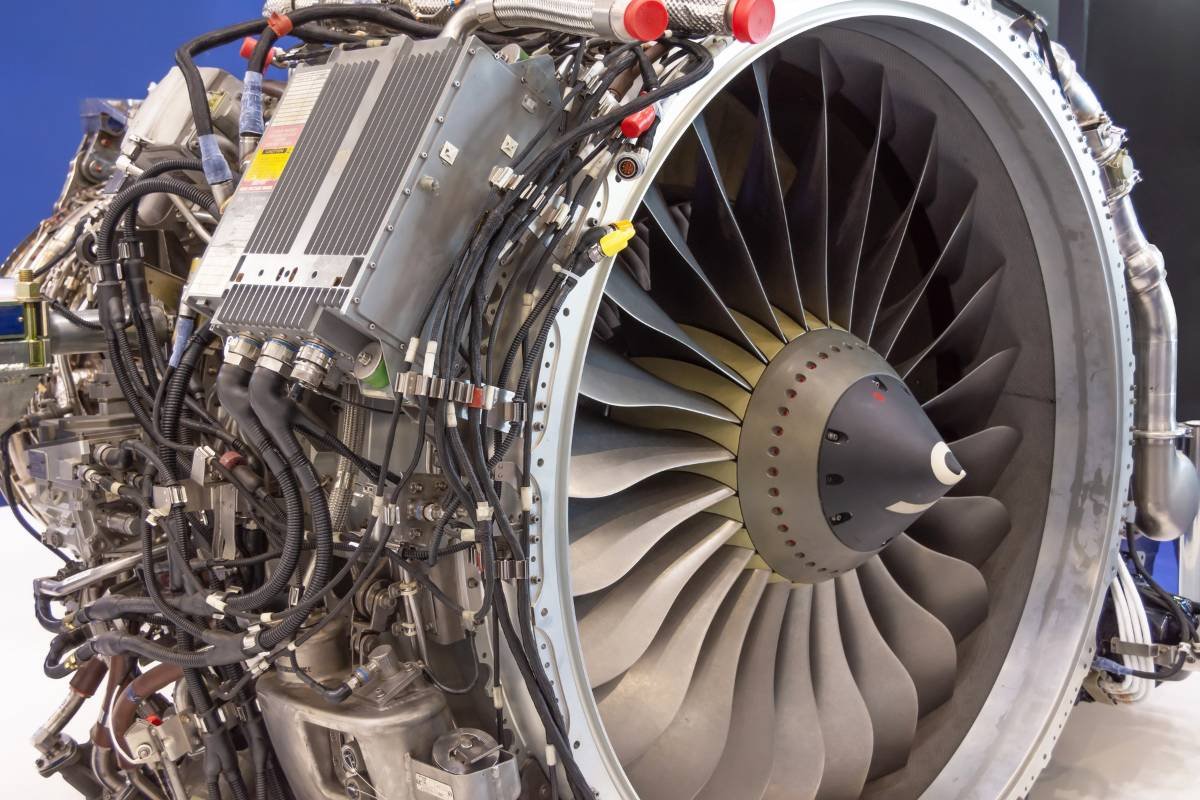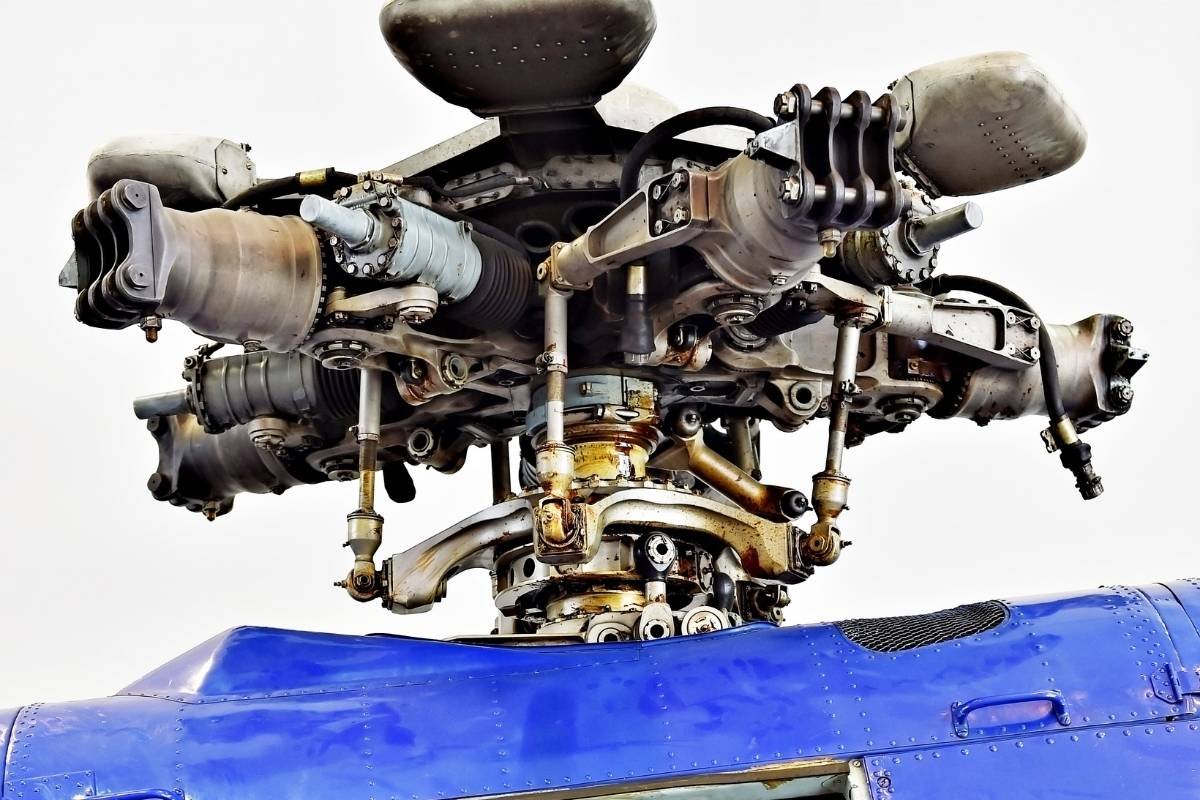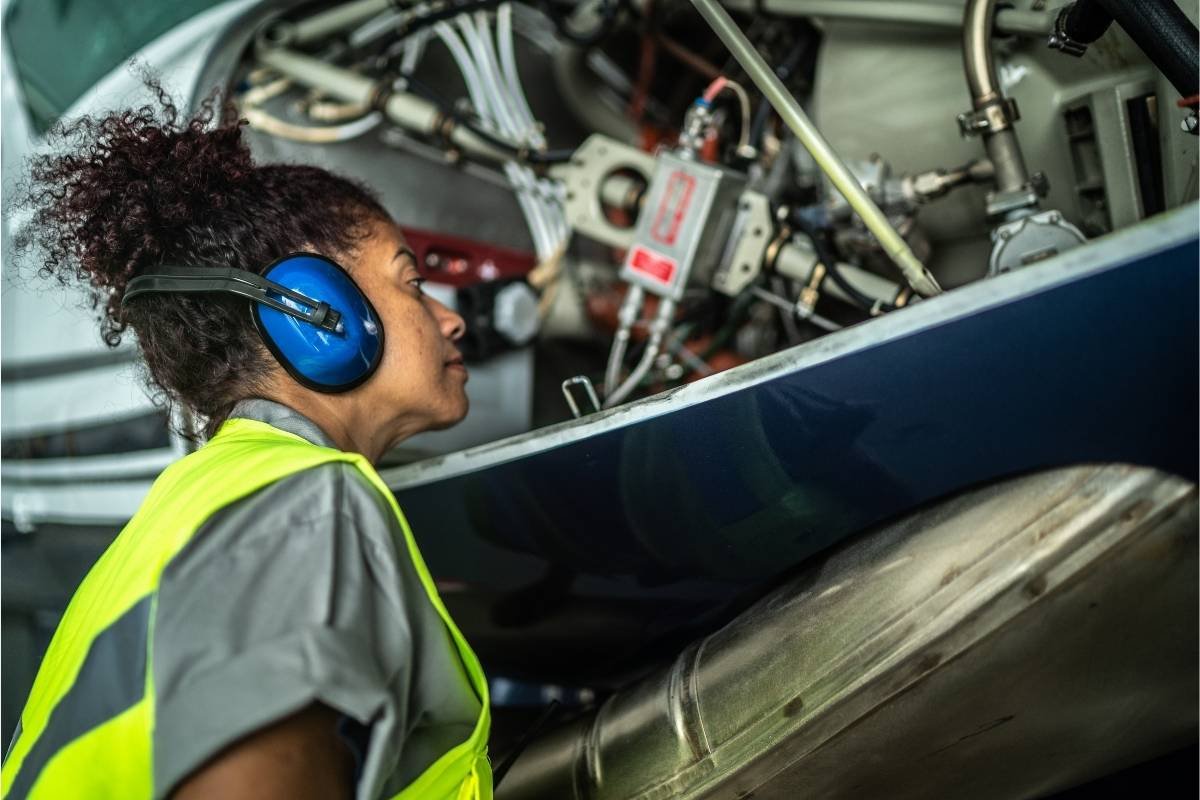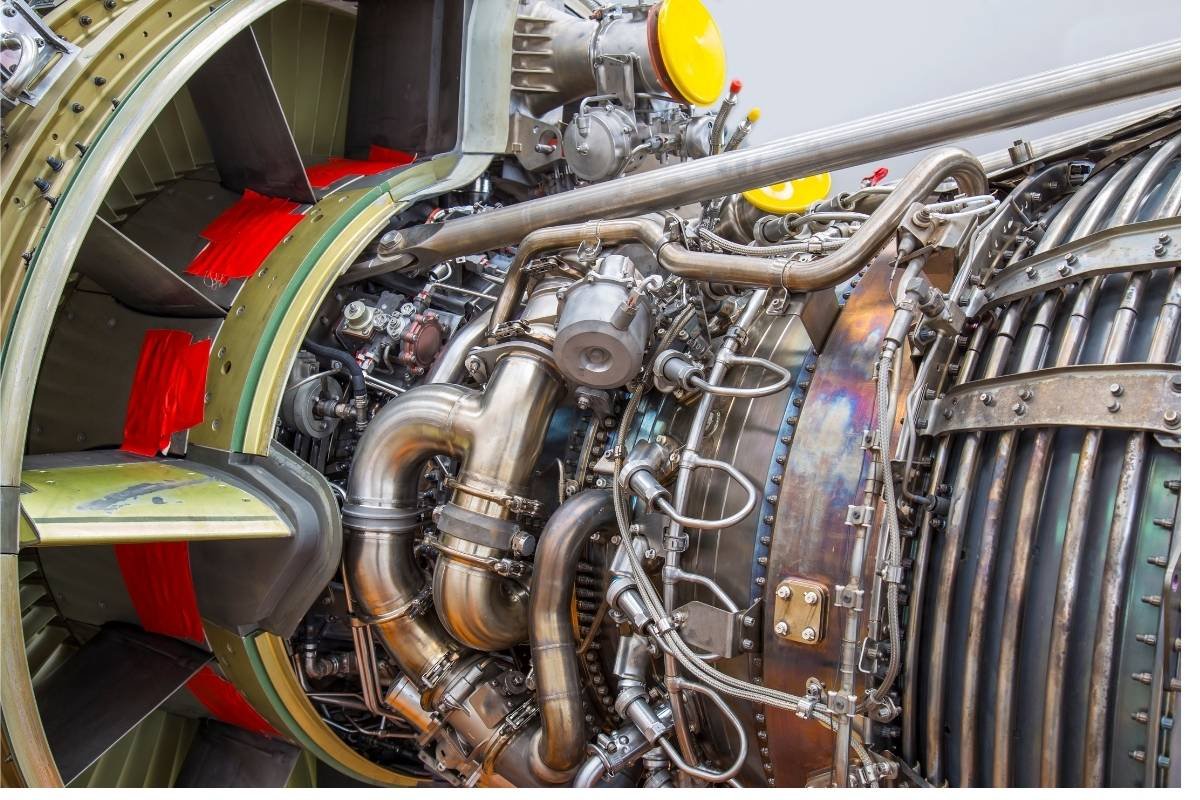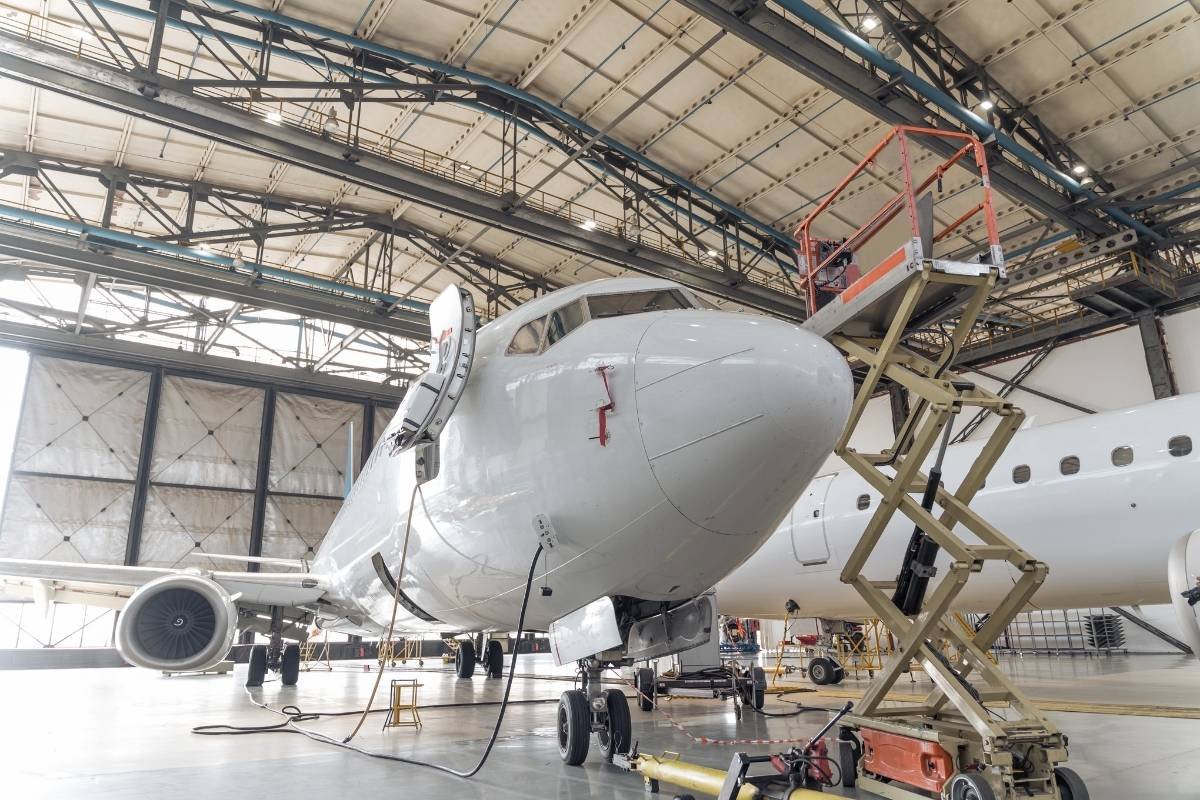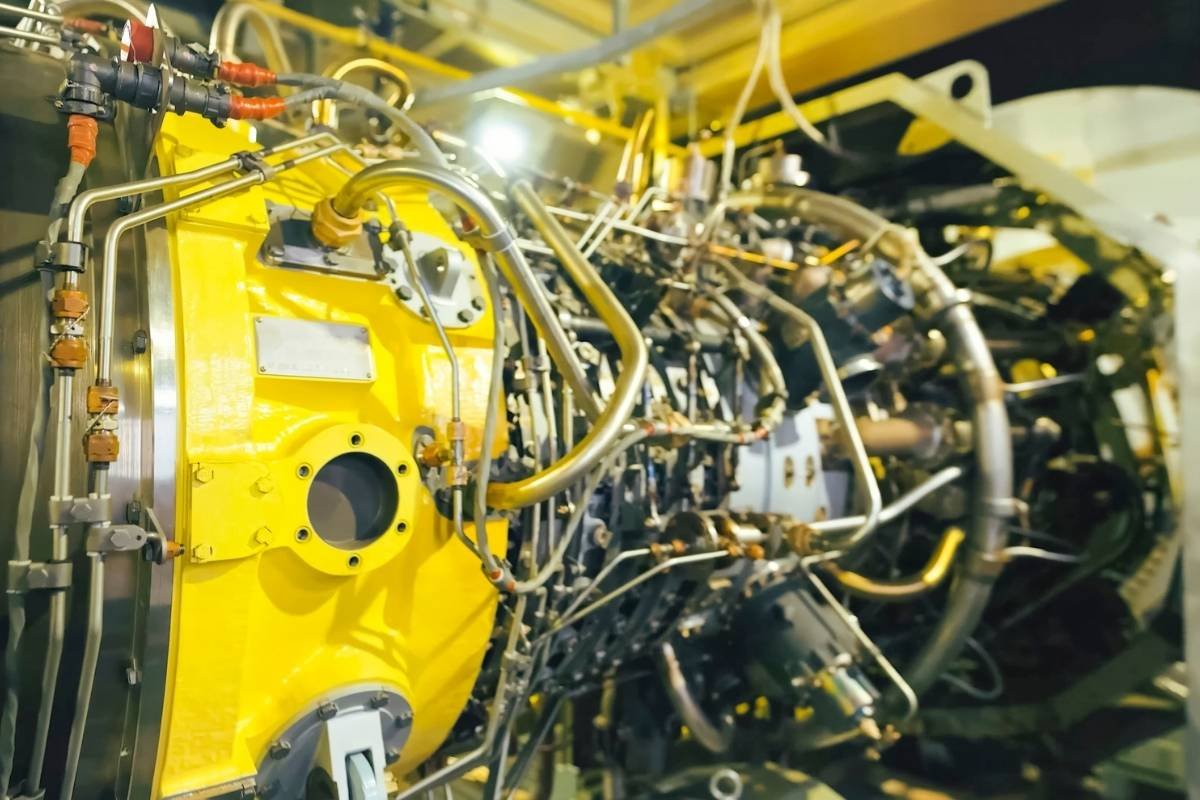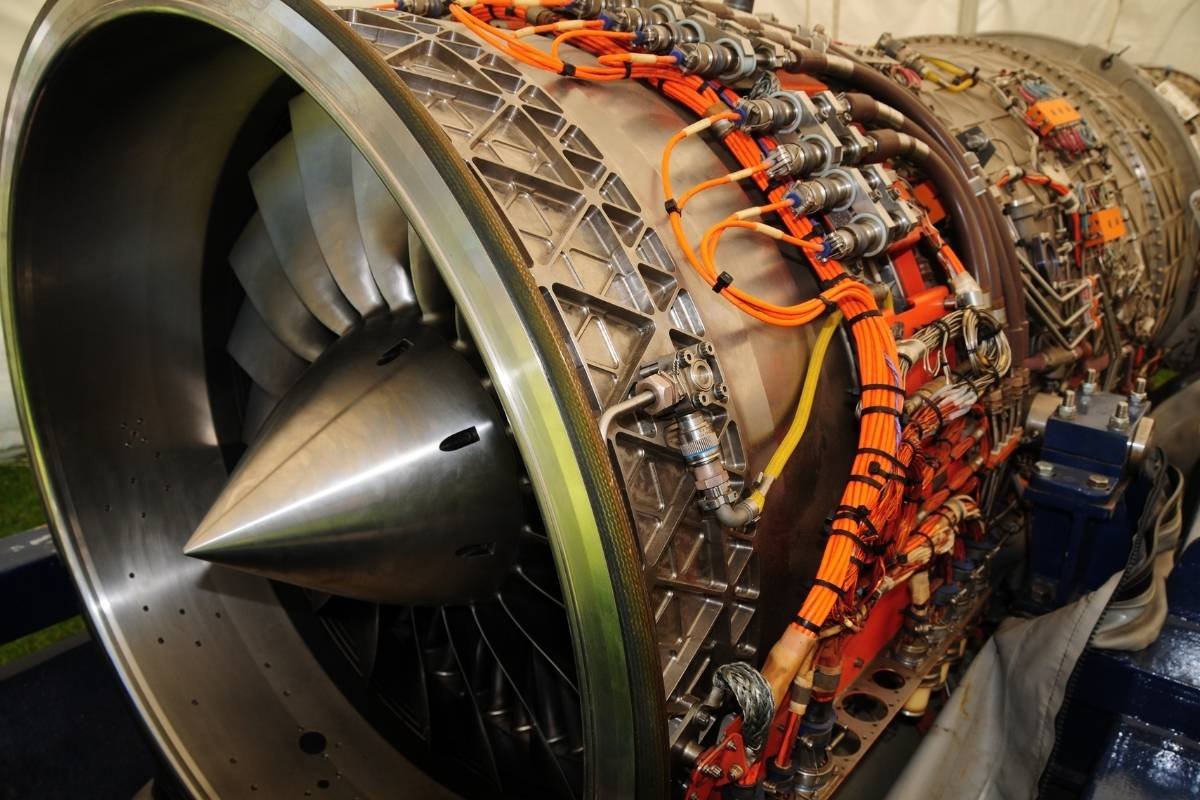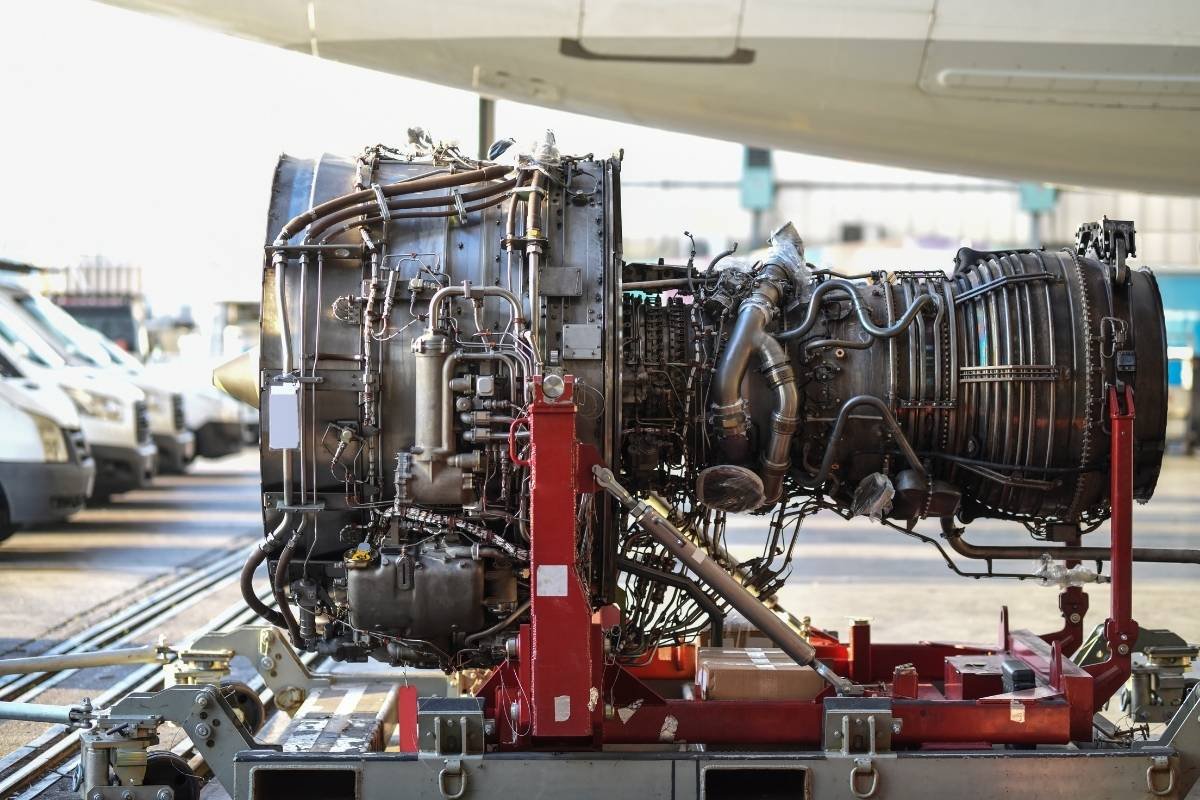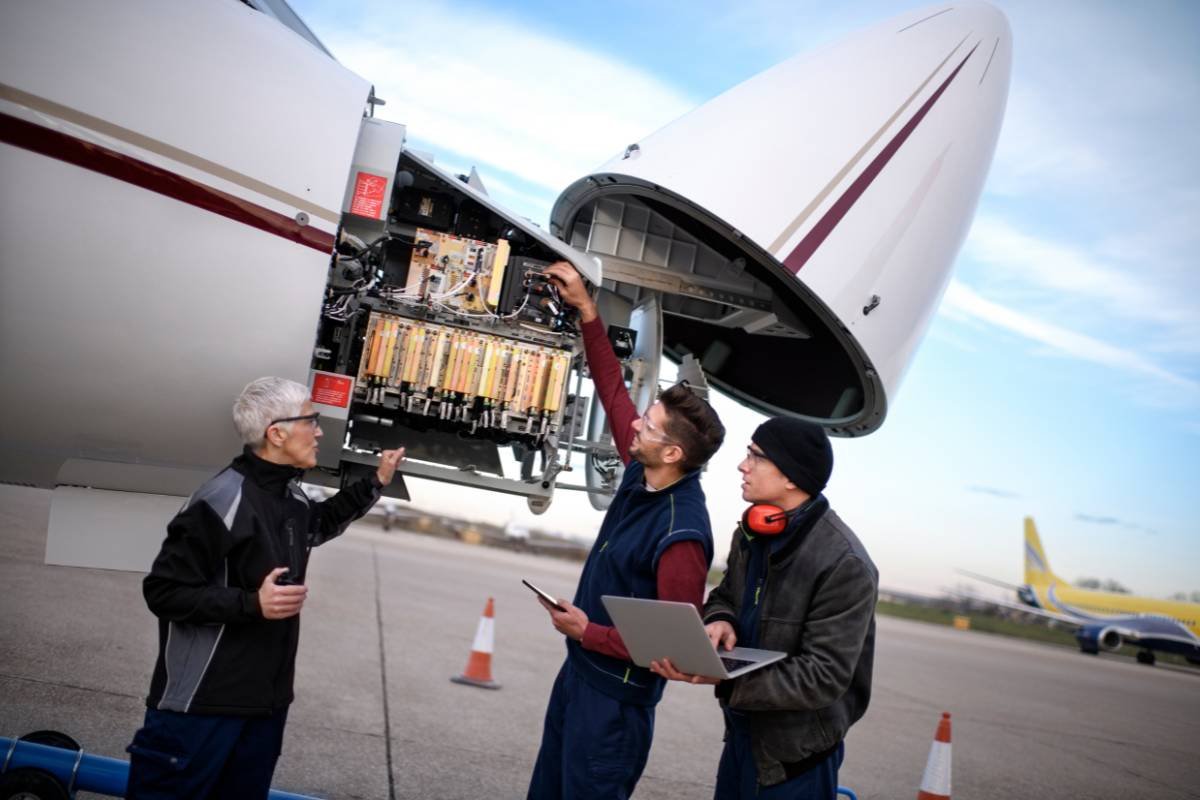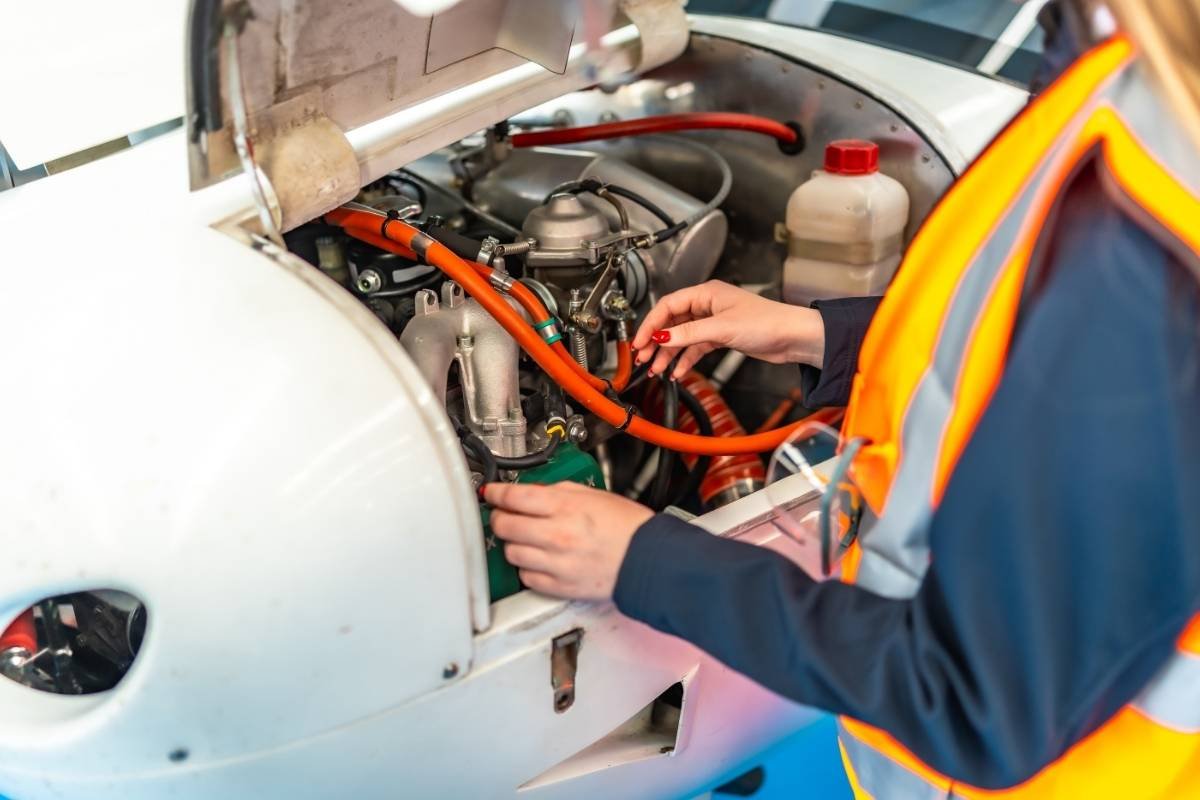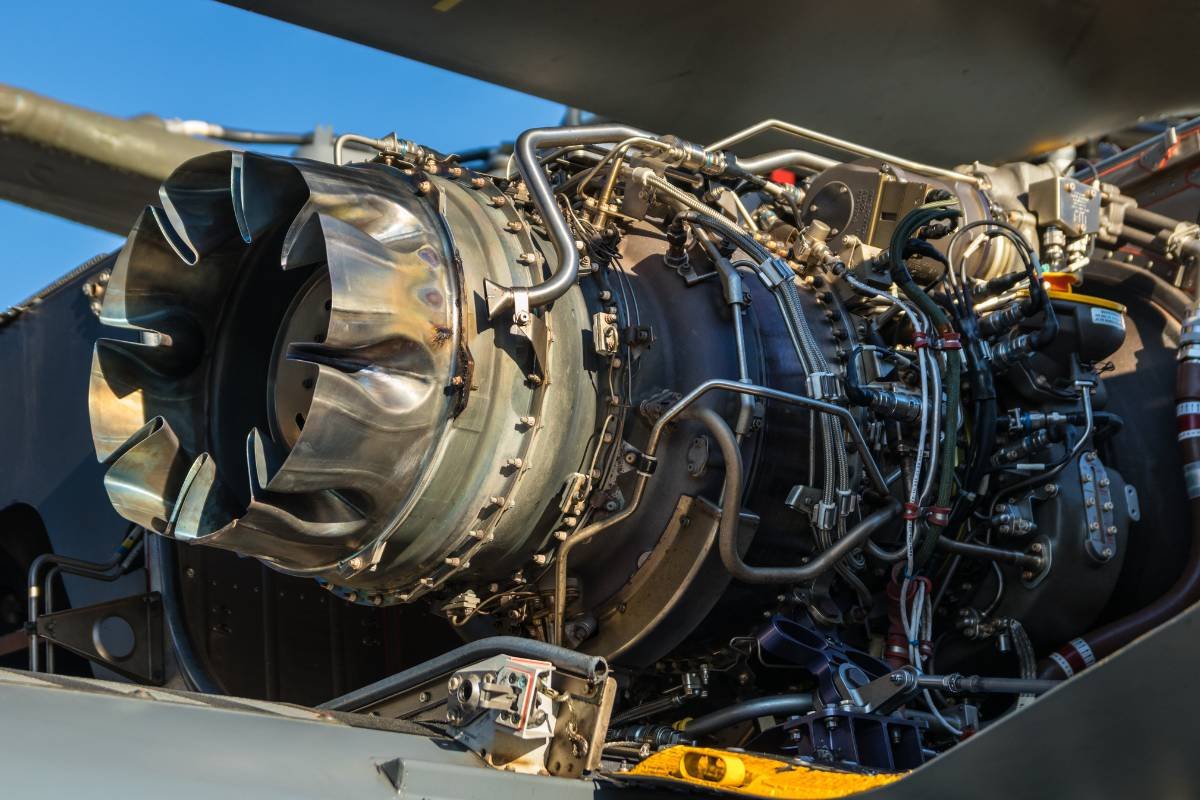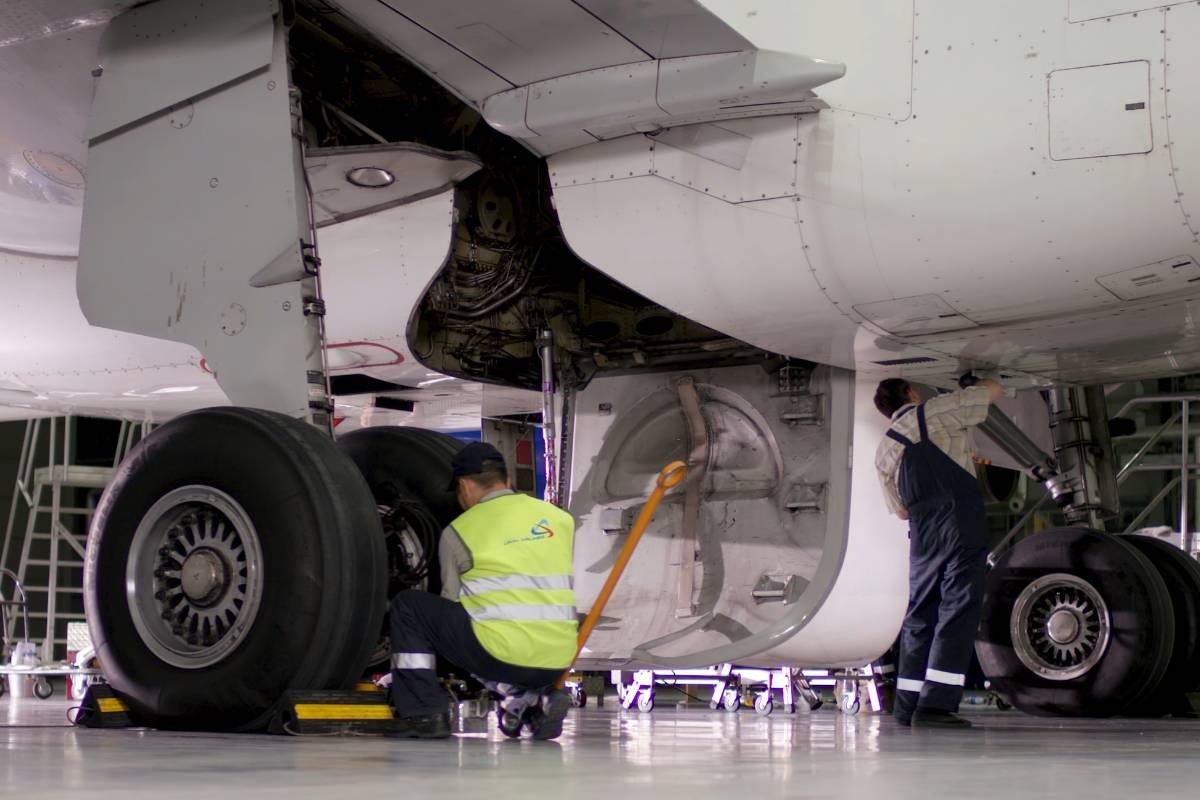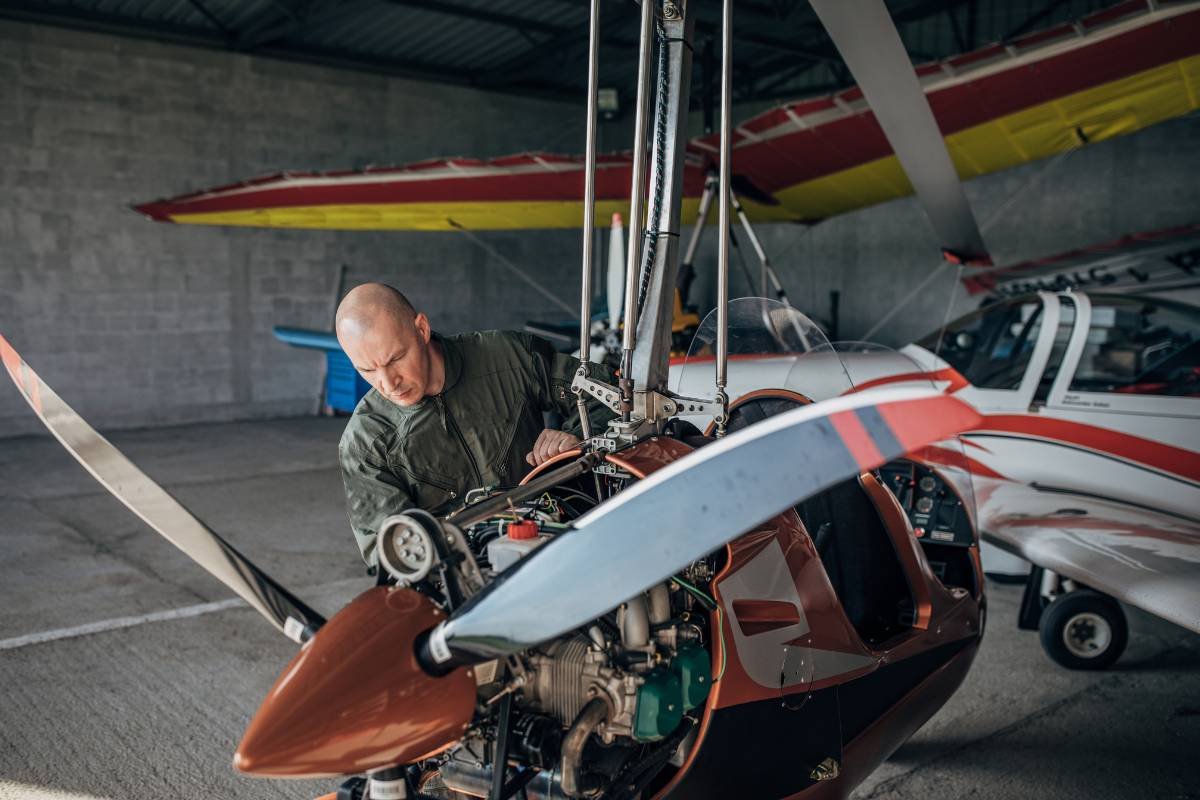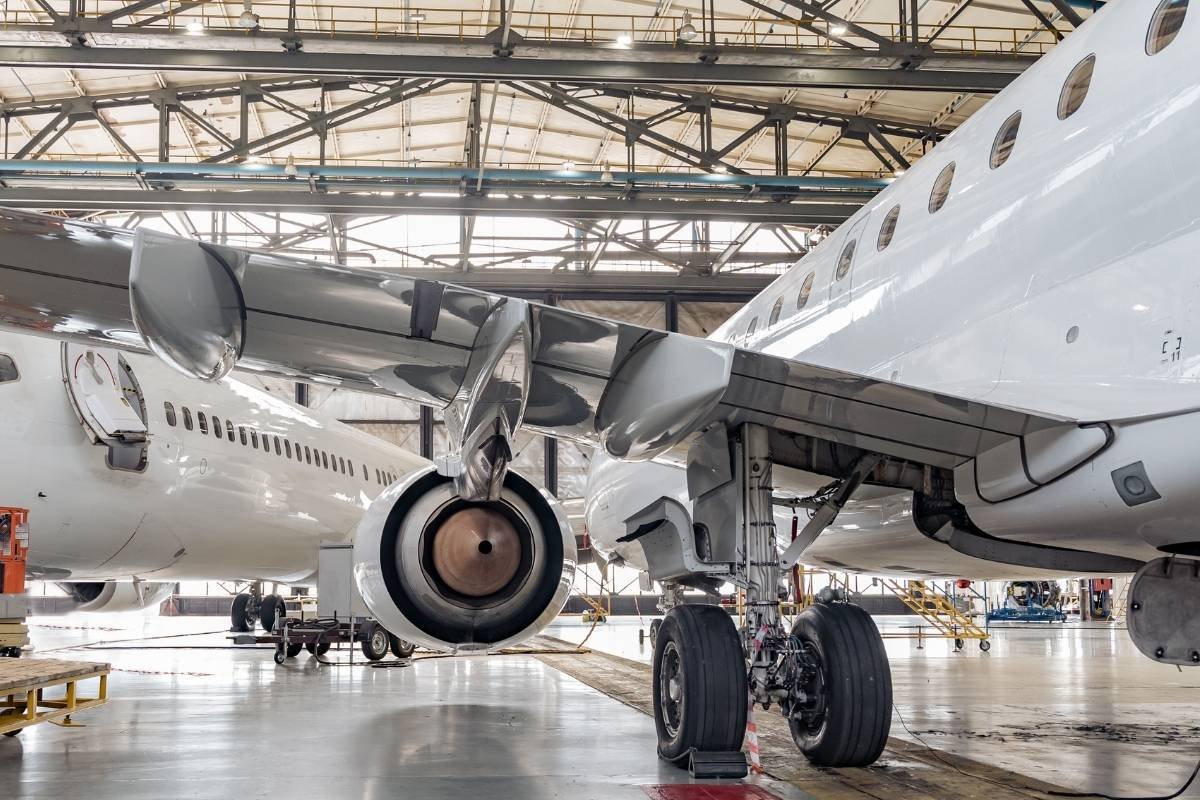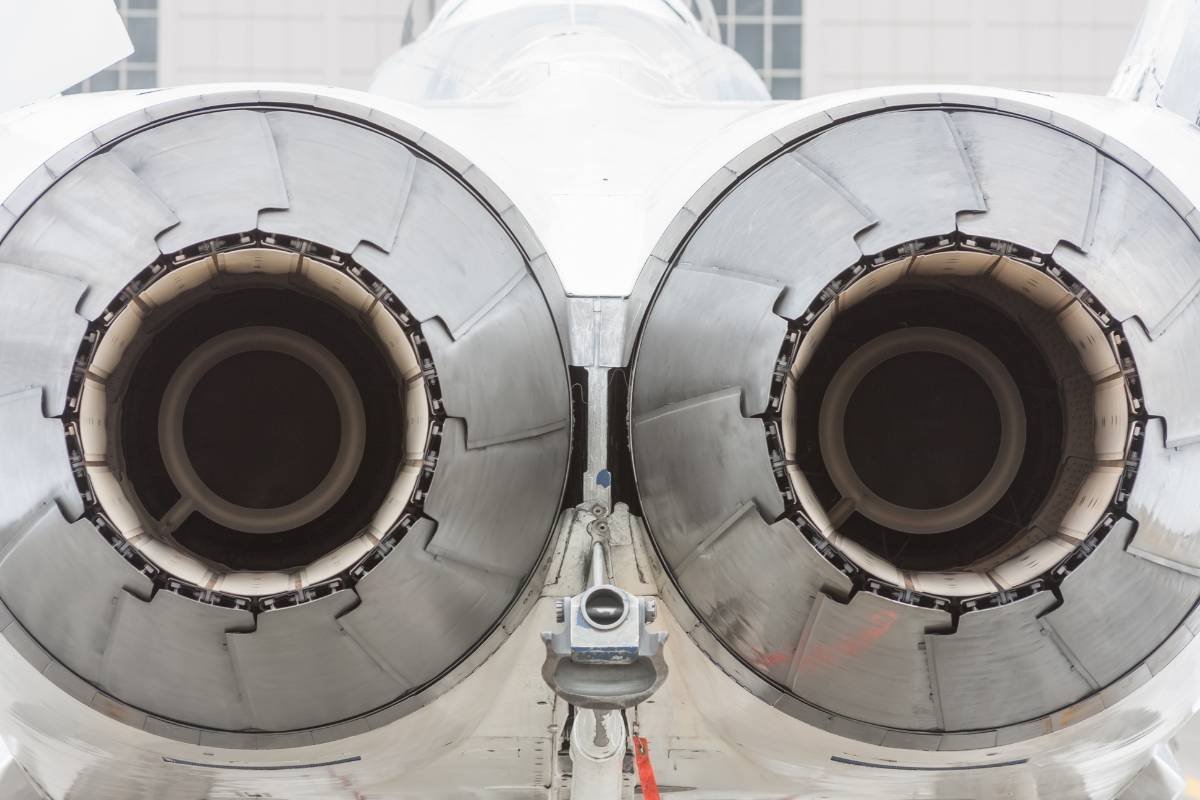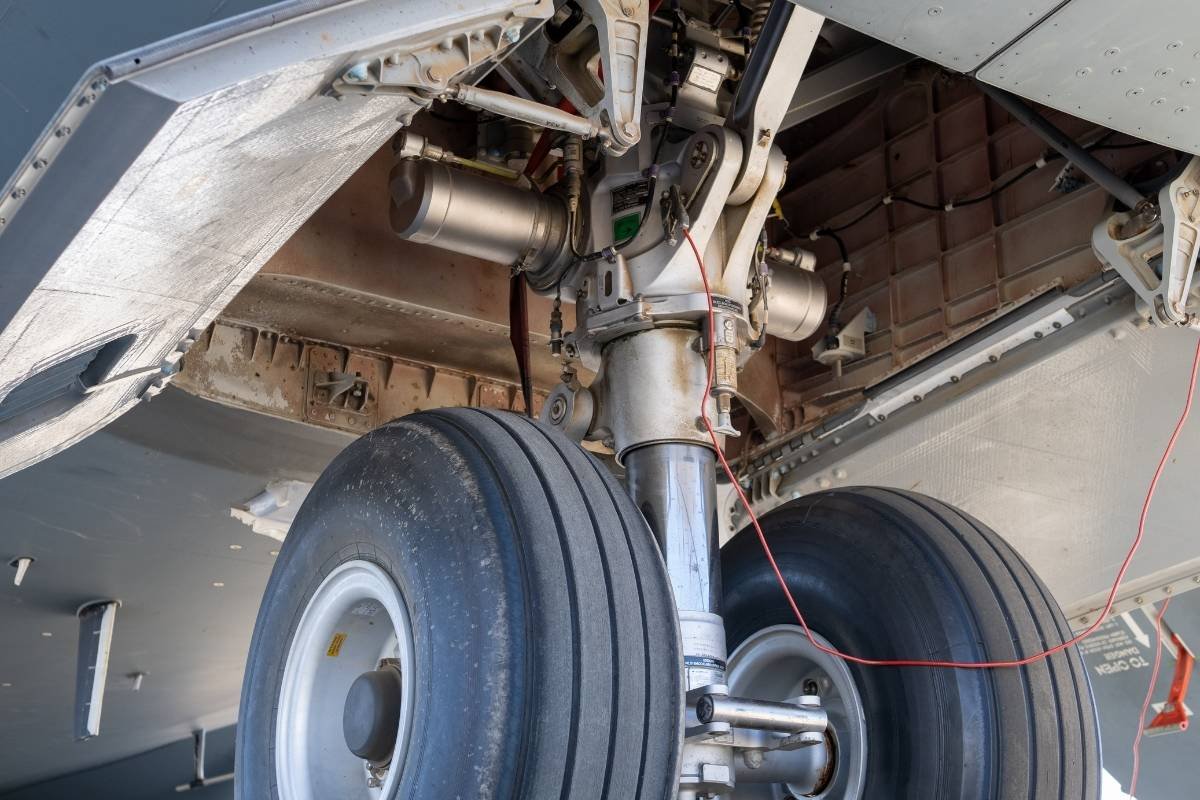
Southwestern Illinois College (SWIC) offers a comprehensive Aviation Maintenance Technology program at its Sam Wolf Granite City Campus. This FAA Part 147 program prepares students for both Airframe and Powerplant certifications. SWIC’s facility includes modern hangars and diverse training aircraft. The program is well-connected to the St. Louis aviation market, supplying technicians to regional airlines, MROs, and corporate flight departments.
Category: Aviation Maintenance Technician School
-
Texas State Technical College – Abilene
Texas State Technical College (TSTC) in Abilene offers aviation maintenance training through its Aircraft Airframe and Aircraft Powerplant programs, giving students a pathway to build the competencies needed for FAA certification work in structures and/or engines. TSTC positions these programs as hands-on, career-driven training built around aviation industry standards. For students in West Texas, Abilene’s campus is especially notable because TSTC’s aircraft maintenance training operates out of a dedicated hangar facility near the Abilene Regional Airport an environment that supports the kind of practical, tool-in-hand learning that employers expect from entry-level technicians.
TSTC organizes aviation maintenance into two core tracks. The airframe side focuses on the structure and systems that keep an aircraft safe and airworthy: inspection practices, airframe components, flight controls, rigging, structures, and related aircraft systems. The powerplant side focuses on reciprocating and turbine engines and the supporting systems that power flight, including inspection, servicing, troubleshooting, and repair procedures. Students who want to expand their employability can combine airframe and powerplant training, since many maintenance roles especially in airline and MRO environments value technicians who can work across both areas.
In terms of learning format, TSTC indicates a day-class schedule for these aviation programs, with instruction delivered in-person (powerplant) and hybrid (airframe) depending on the plan. For prospective students, this means you should expect a weekday commitment and a curriculum that blends theory with structured lab work. The day schedule can be a strong fit for full-time students who want steady momentum and regular access to labs, aircraft, and tooling.
From a career-outcomes standpoint, TSTC’s aviation program messaging leans into employability: the school highlights training facilities, industry relevance, and the ability to move quickly into the workforce with either a certificate or an Associate of Applied Science (AAS) degree depending on the degree plan you choose. That mix can appeal to different student types career changers looking for a direct technical credential, and students who want a degree that may support advancement into lead, inspector, or supervisory roles over time.
If you are comparing Abilene-area options, the best next step is to request program details for the specific plan you want (Airframe, Powerplant, or both). Confirm the current completion timeline in months, the weekly time blocks for lab and hangar work, and any required tools, materials, or fees beyond tuition. Also ask about employer connections in the region and typical placement pathways, since proximity to airport operations can create stronger local hiring pipelines.
-

A&P Mechanic Institute
A&P Mechanic Institute, operating in Lakeland at Lakeland Linder International Airport, is an FAA Part 147 aircraft maintenance technician school designed for students who want a direct path to Airframe & Powerplant certification. The program is built around the core outcomes employers expect from entry-level mechanics: safe work habits, strong documentation practices, and hands-on competency across aircraft structures, systems, and powerplant fundamentals. The school promotes a structured pathway that leads to FAA A&P eligibility, with schedules that can fit different life situations. Prospective students can confirm whether they prefer a daytime track or an evening track; the school describes different completion timelines for day versus night attendance. In practical terms, that means you can choose a faster, more immersive daytime option or a more work-friendly evening option, depending on your commitments. Training is designed to be applied, not purely lecture-based. Students should expect a mix of classroom instruction, demonstrations, and lab time where they practice the skills that show up in real maintenance environments: inspection and troubleshooting approaches, use of approved data, hardware and fastening techniques, basic electrical and fluid system concepts, corrosion prevention, and proper maintenance records. Because A&P certification is a federally regulated credential, the focus tends to be on doing tasks correctly, consistently, and in compliance with the regulations and procedures mechanics use on the job. Lakeland is also a practical location for aviation training. Being based at an active airport environment can provide context for how maintenance operations support flight activity, and it can create opportunities for local industry exposure depending on the school’s relationships and the regional aviation ecosystem. Students who are career changers often appreciate programs that keep the end goal visible: pass the FAA exams, earn the A&P, and enter a field with steady demand across airlines, MROs, corporate aviation, GA maintenance shops, and government or defense-adjacent contractors. If you’re considering this school, a smart next step is to contact admissions and ask for a written breakdown of program components, total clock hours, required materials, and the testing plan. Also ask how the program supports exam preparation, whether tutoring is available, and what the typical placement path looks like for recent graduates. If you are comparing A&P options, a practical way to evaluate fit is to confirm the FAA Part 147 approval status, ask how the curriculum is sequenced (General, Airframe, Powerplant), and request a calendar showing start dates and daily class times. You can also ask whether the school helps schedule FAA written, oral, and practical testing after each phase, what tools or uniforms are required, and what employers typically recruit from recent graduating cohorts. Finally, confirm total estimated costs (tuition, fees, books, tools) and whether financial aid, scholarships, veteran benefits, or payment plans are available for your situation. These details make it much easier to compare programs apples-to-apples and choose the path that matches your timeline, budget, and long-term career goals.
-

Aviation Institute of Maintenance – Chicago
The Aviation Institute of Maintenance (AIM) campus in Chicago provides an intensive FAA Part 147 certified training program centered on the high-demand aerospace market of the Midwest. The program is designed to train Airframe and Powerplant mechanics who can meet the needs of one of the busiest aviation crossroads in the world. AIM’s Chicago facility features expansive hangars and technical labs where students master the inspection, repair, and overhaul of aircraft systems, ensuring they are prepared for the high-stakes responsibility of certifying an aircraft for flight.
The curriculum at AIM Chicago emphasizes hands-on mastery, moving students through the required federal training hours using a series of focused modules. Students engage with reciprocating and turbine engine theory, structural sheet metal, and modern avionics systems. The school encourages a professional culture that aligns with the safety standards of major air carriers and repair stations. With access to the vast aviation industry in the Chicago metropolitan area, graduates are well-positioned for immediate employment, often finding roles in commercial aviation, corporate flight departments, and regional MRO operators.
-

Big Bend Community College
Big Bend Community College (BBCC) features a premier Aviation Maintenance Technology (AMT) program that has been a cornerstone of its technical offerings for decades. This rigorous two-year program is conducted in a recently remodeled hangar and lab facility, where students train on a diverse fleet that includes helicopters, turbine-powered jets, and specialized aircraft like crop dusters. The curriculum is meticulously designed to meet FAA Part 147 standards, providing students with over 1,900 hours of training across general, airframe, and powerplant disciplines.
Graduates of the BBCC program are known for their strong mechanical aptitude and ability to perform complex inspections and overhauls to a “no-fault” level. The program is led by experienced FAA-certified instructors who oversee both the technical and ethical aspects of aviation safety. BBCC also provides a seamless educational pathway for students to continue their studies in a Bachelor of Applied Management, preparing them for supervisory and management roles within the industry. This robust combination of state-of-the-art facilities and experienced leadership makes Big Bend a top choice for aspiring mechanics in the Pacific Northwest.
-

Cincinnati State Technical and Community College
Cincinnati State Technical and Community College offers a premier Aviation Maintenance Technology program that has served as a cornerstone of the region’s aerospace workforce for over 30 years. Based at the college’s Airport facility in Harrison, Ohio, the FAA-approved program provides students with a direct pathway to an Associate of Applied Science degree and professional A&P licensure. The curriculum is meticulously designed to cover all modern aircraft systems, from reciprocating and turbine engines to advanced avionics and structural composites.
The program emphasizes a hands-on learning model, with students spending significant time in professional hangars and labs. Recently, the college expanded its reach with a new location at the Cincinnati/Northern Kentucky International Airport (CVG), providing students with direct exposure to an active commercial aviation environment. By leveraging strong industry partnerships with giants like GE Aerospace and Endeavor Air, Cincinnati State ensures its graduates are well-prepared for the high-stakes demands of the flight line. Technicians trained at Cincinnati State are known for their precision, regulatory knowledge, and readiness to support the global aviation infrastructure.
-

Eastern New Mexico University – Roswell
The Aviation Maintenance Technology (AMT) program at Eastern New Mexico University-Roswell (ENMU-Roswell) is the sole FAA-certified Part 147 school in Southeast New Mexico. Operating at the historic Roswell Air Center, the program provides an immersive training environment where students utilize a diverse fleet that includes a Boeing 727-F. ENMU-Roswell offers both Associate of Applied Science degrees and professional certificates, focusing on the high-level mechanical and structural skills required to maintain airworthiness in a wide range of civilian aircraft.
Students in the ENMU-Roswell program receive personalized instruction in small class settings, mastering complex tasks such as engine overhaul, advanced sheet metal fabrication, and avionics troubleshooting. The faculty, comprised of military and industry veterans, emphasizes the ethical and professional responsibilities of the aircraft mechanic, particularly regarding safety and regulatory compliance. With its strong ties to regional MRO providers and the national airline industry, ENMU-Roswell produces graduates who are technically proficient and highly competitive in the job market, supporting the critical needs of general and commercial aviation across the Southwest.
-

Greene County Career Center
Greene County Career Center (GCCC) offers an innovative FAA Part 147 certified Aviation Maintenance program located at the Lewis A. Jackson Greene County Regional Airport in Ohio. Housed in a dedicated 7,500 square-foot hangar completed in 2020, the program provides high school students with an immersive, hands-on introduction to the aerospace industry. Through a strong articulation agreement with Sinclair Community College, GCCC students can earn up to 55 college credits while working towards their FAA General and Airframe certifications.
The training at GCCC focuses on the essential skills required for maintaining modern aircraft, including structural inspection, fuel system maintenance, and advanced electrical troubleshooting. Students utilize a professional lab environment and authentic aircraft engines to master the rigorous standards of the FAA. The program was specifically established to address the significant regional demand for aircraft mechanics, providing graduates with a direct pathway to lucrative careers as airframe technicians or aerospace engineers. GCCC-trained technicians are recognized for their foundational technical proficiency and their ability to transition seamlessly into advanced post-secondary training.
-

Kansas State University Salina
Kansas State University Salina (the Aerospace and Technology Campus in Salina, Kansas) offers aviation maintenance education through Professional Education and Outreach, including an Aviation Maintenance Certification Program. This campus is known for aerospace-focused technical training and applied learning, and its maintenance programming is designed to serve students who want a structured pathway into aircraft maintenance work with a focus on FAA-aligned knowledge and practical skills.
The aviation maintenance certification program covers core subject matter commonly associated with airframe and powerplant training. Program materials emphasize the breadth of maintenance topics students should expect, including airframe structures, airframe systems, and associated inspection and troubleshooting concepts. Because maintenance training is inherently hands-on, students should anticipate lab-based learning in addition to classroom instruction. K‑State Salina’s setting as an aerospace and technology campus supports that applied approach-many students choose Salina specifically because the campus culture, facilities, and peer group are oriented toward aviation and technical careers.
For prospective students, the most important first step is verifying the exact credential outcome and how the certification program aligns with FAA requirements and testing eligibility. Some university aviation maintenance programs are organized as certification programs, professional training offerings, or degree concentrations rather than a traditional community-college AAS structure. K‑State Salina provides a program overview and a contact point through Professional Education and Outreach, which makes it easier to confirm current curriculum structure, enrollment windows, and any prerequisites.
Another key consideration is how the program fits into your long-term plan. Students who want a quick entry into the workforce may prioritize direct certification and FAA exam readiness. Students who want additional academic options may look for ways the training connects to other aerospace degrees or advanced technical study. K‑State Salina’s campus structure can support both approaches, but the “best fit” depends on your goals: immediate technician employment, long-term progression into leadership roles, or using maintenance expertise as a foundation for related aviation careers.
Location and support services also matter. The Salina campus has clear published contact information and standard weekday office hours, which is helpful for students planning a move, evaluating housing, or coordinating with family and work obligations. Before committing, students should ask about typical weekly schedule expectations (daytime hours vs. any evening options), tool or materials requirements, and local industry connections for internships or employment.
In short, Kansas State University Salina is a solid option for students who want maintenance training within a specialized aerospace campus environment, prefer a university-affiliated program structure, and want direct access to program staff who can clarify the certification pathway and next steps.