Category: Aviation Maintenance Technician School

  • School of Missionary Aviation Technology

    School of Missionary Aviation Technology

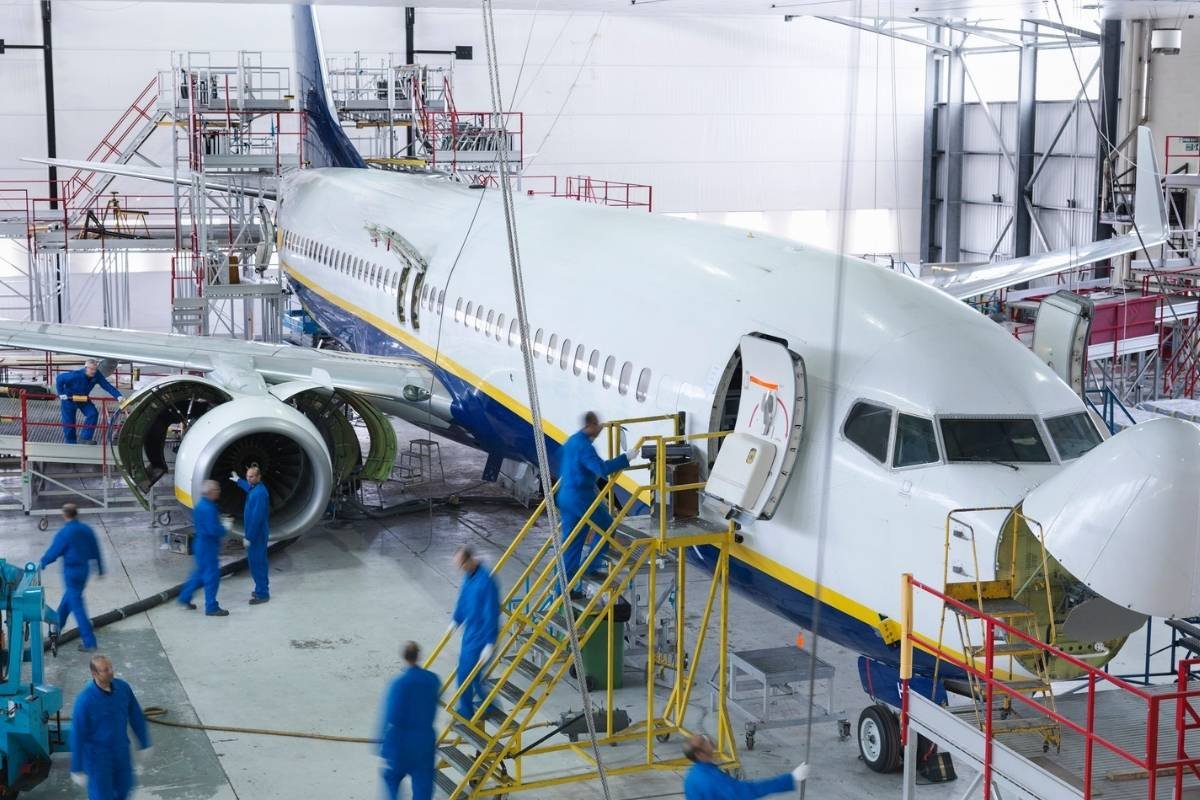
    The School of Missionary Aviation Technology (SMAT) in Ionia, Michigan offers a mission-driven, FAA Part 147 approved Airframe and Powerplant (A&P) maintenance training program designed to be completed in 12 months. SMAT is positioned for students who want a comprehensive technician skill set and who are drawn to a Christ-centered training environment with a strong missions orientation. The school emphasizes small class sizes, a low student-to-faculty ratio, and a warm community culture where students build relationships with instructors and peers while completing demanding technical training.

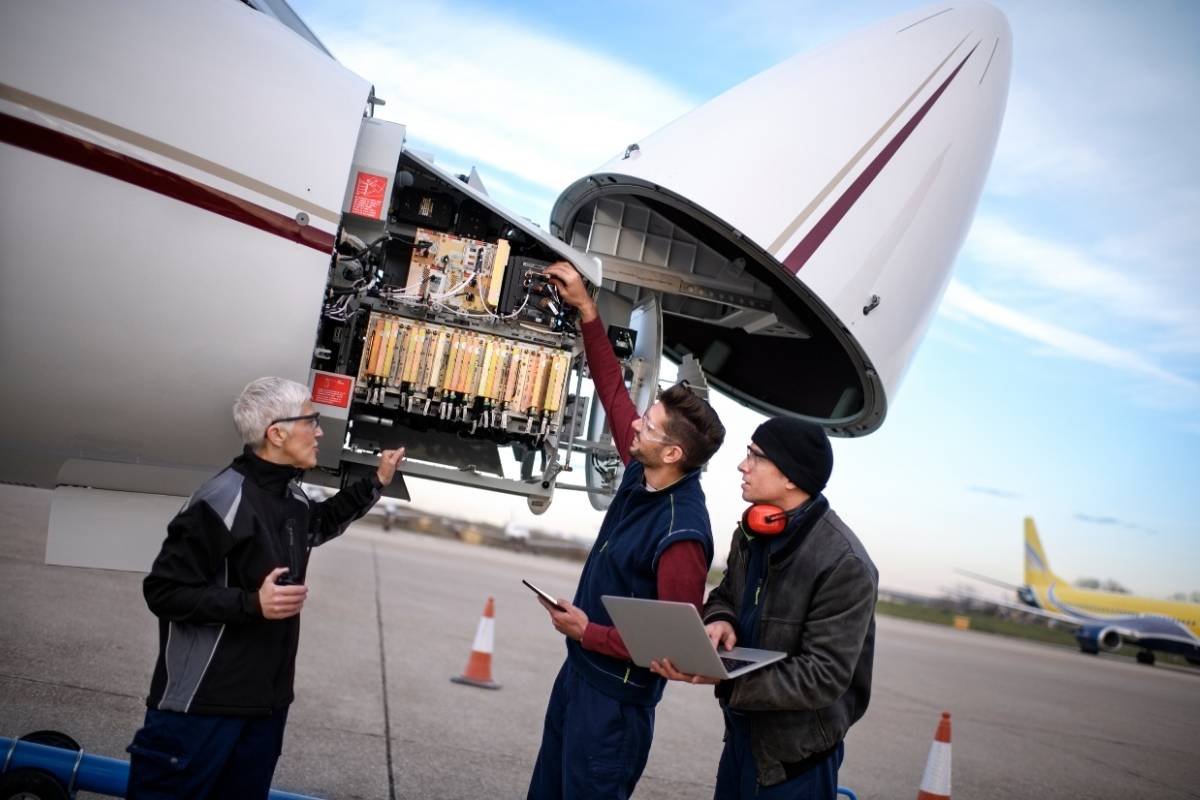
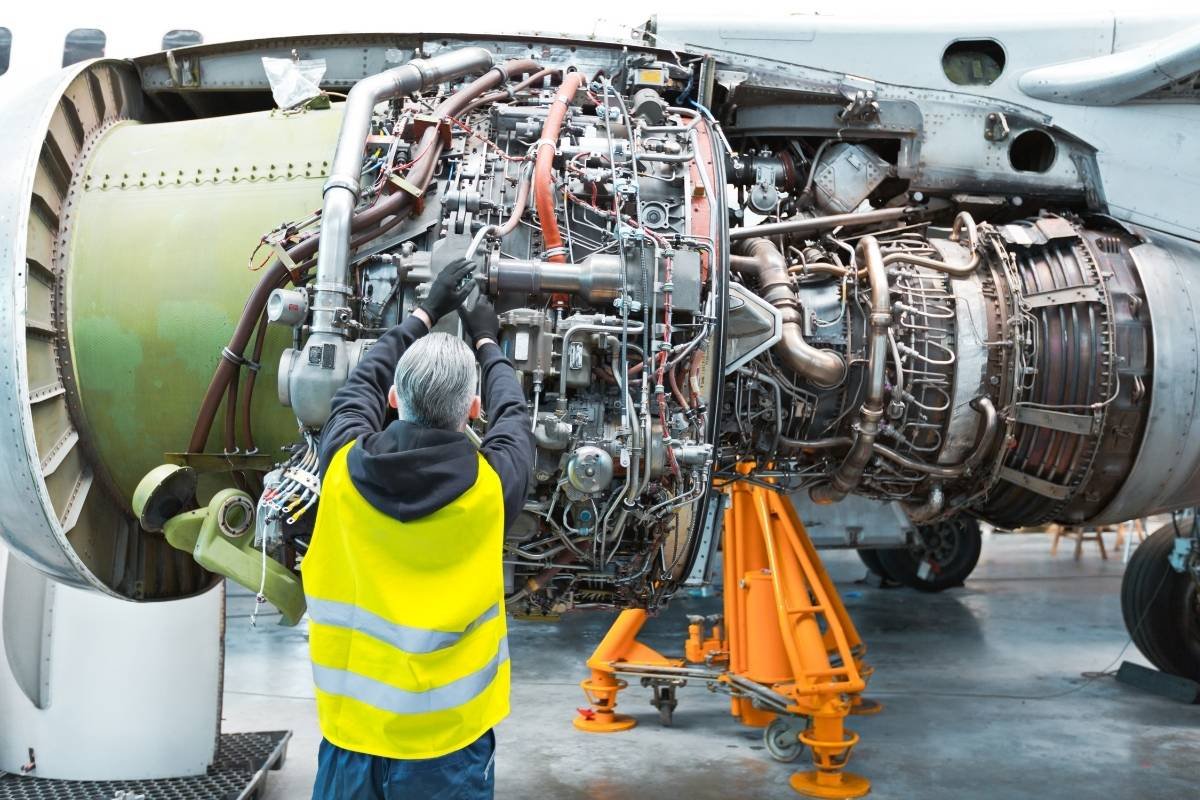
    SMAT’s A&P maintenance program is structured to prepare students for the FAA written, oral, and practical mechanic tests. The school highlights a learning model that is heavily hands-on, describing the program as roughly 60% lab and 40% lecture. That balance is significant for prospective students: it suggests students spend substantial time in applied projects and lab workstations, building the physical skills and troubleshooting habits that maintenance employers expect. SMAT also notes individual lab workstations and spacious facilities, along with hands-on projects and aircraft mockup systems, which supports repeat practice and skill refinement key ingredients for success in a condensed one-year timeline.

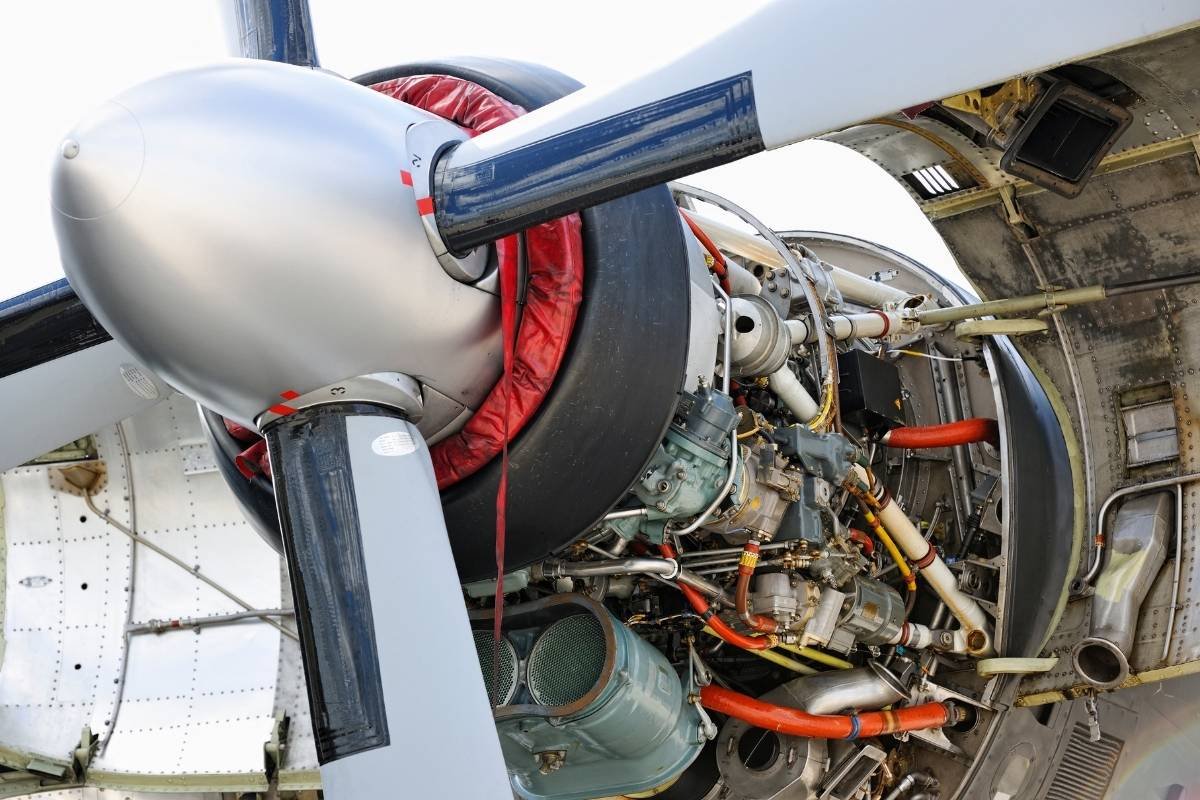
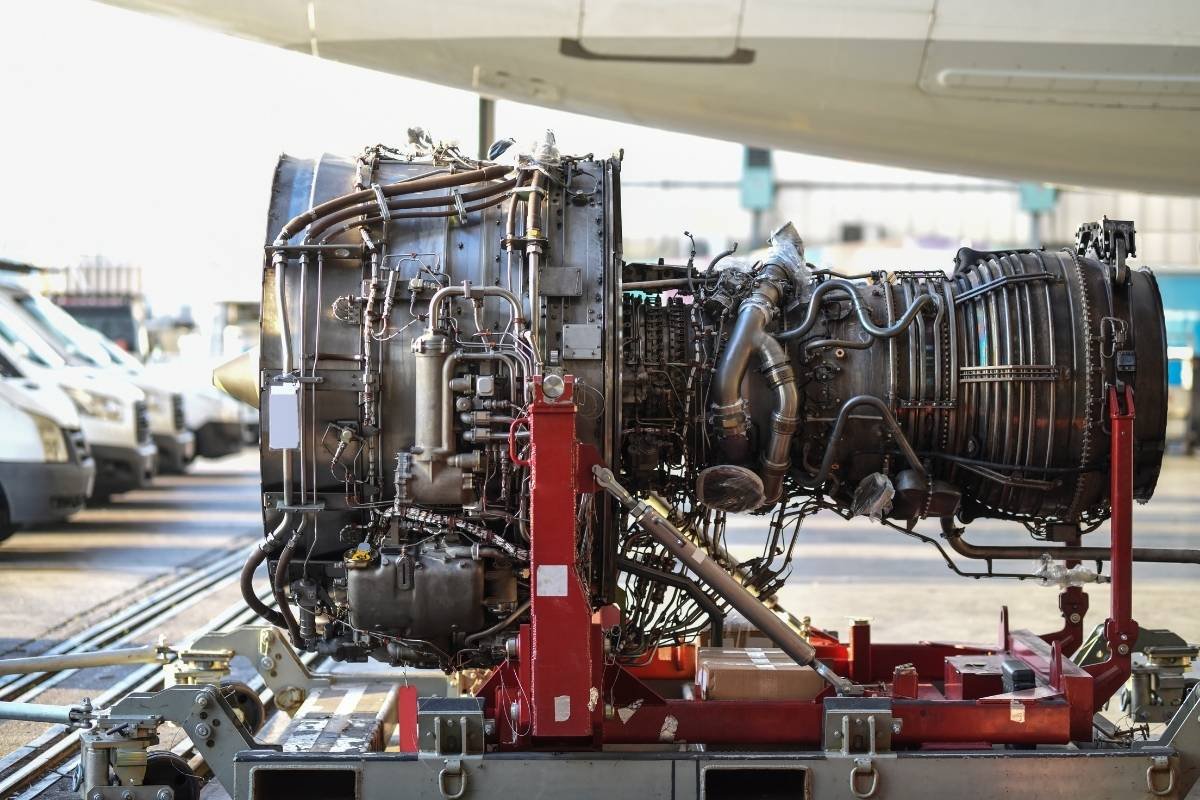
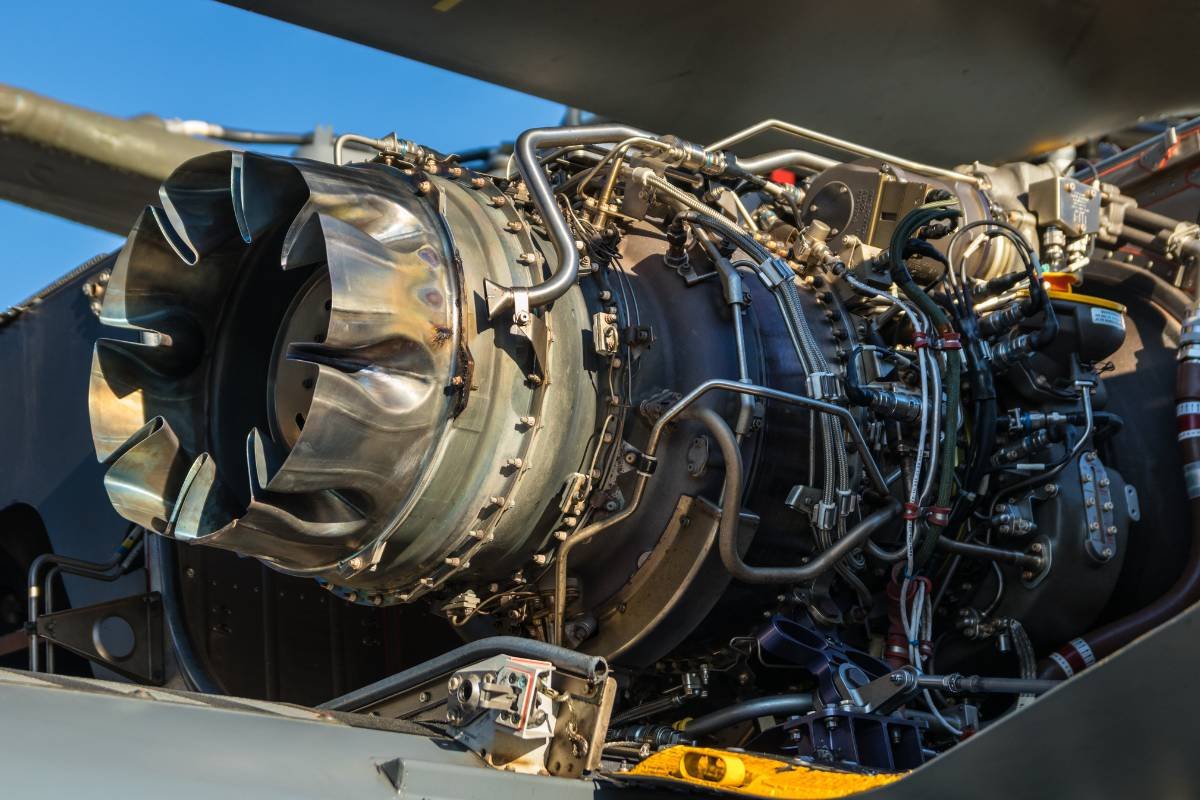
    From a curriculum perspective, SMAT publishes course-level visibility that mirrors the FAA’s three-part structure. General classes include fundamentals like electricity, drawings, weight and balance, fluid lines and fittings, materials and processes, ground operations and servicing, cleaning and corrosion control, regulations and maintenance records, physics, and human factors. Airframe coursework then expands into structures, welding, flight controls, rotorcraft fundamentals, inspection, landing gear, hydraulics and pneumatics, environmental systems, instruments, communications and lighting systems, fuel systems, and more. Powerplant instruction covers reciprocating engines, turbine engines and air systems, inspection, instrument systems, fire protection, electrical systems, lubrication, ignition and starting, fuel metering, induction and cooling, exhaust/reverse, and propellers. For students, this level of published transparency helps clarify what comprehensive means in practice.

    Cost and logistics matter with any private training program, and SMAT provides a clear baseline: the maintenance program tuition and lab fees are listed at $32,000, with additional costs for tools and FAA testing, and students are responsible for their own room and board. That straightforward pricing (plus published academic calendar details) can make budgeting easier than programs with hidden fees.

    SMAT can be a strong fit for students who want an accelerated, full-scope A&P pathway in a mission-oriented community, and who value structured, published curriculum detail alongside an intensive lab-heavy training approach. Prospective students should confirm start dates, expected weekly hours, and housing options in the Ionia area, especially if relocating for the 12-month program.
  • Metro Technology Center

    Metro Technology Center

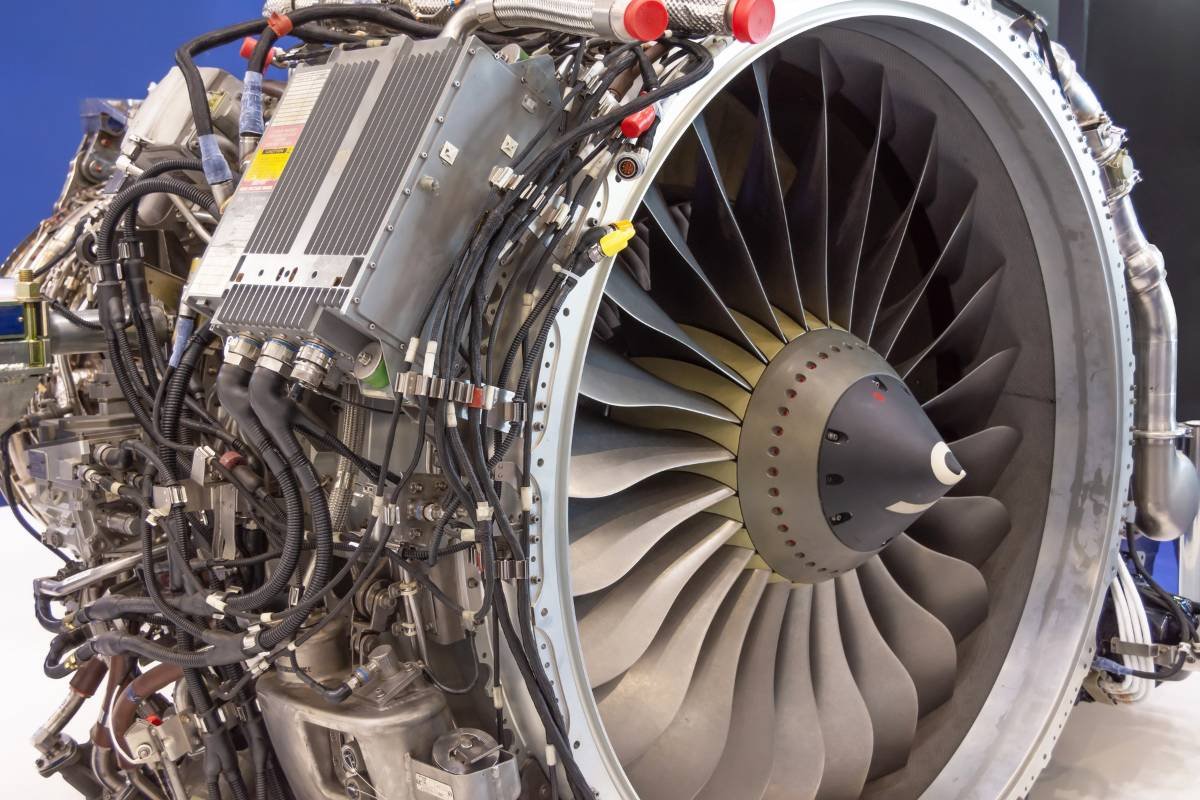
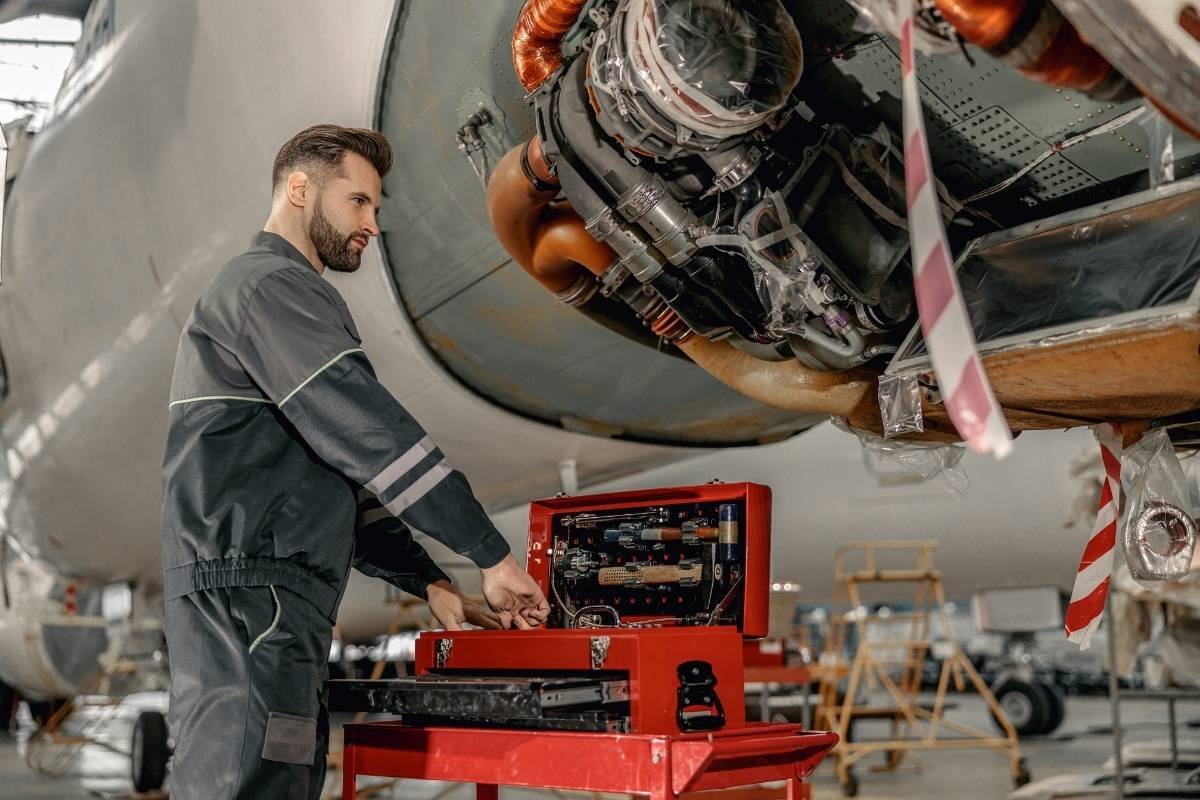
    Metro Technology Centers (Metro Tech) in Oklahoma City offers an FAA Part 147-aligned Aviation Maintenance Technician program located at its Aviation Campus at OKC Will Rogers International Airport. The program is designed for adults who want direct, hands-on preparation for aircraft maintenance careers and for the FAA Airframe and Powerplant (A&P) mechanic exams. Metro Tech’s program description emphasizes aircraft inspection and maintenance skills, an FAA-approved curriculum, and schedule options that work for both daytime students and working adults.

    The Aviation Maintenance Technician curriculum is described as training students to inspect and perform maintenance, preventive maintenance, and alteration of aircraft and aircraft systems. Metro Tech states that the program prepares students with the knowledge and skills required to pass both the Airframe Mechanic and the Powerplant Mechanic exams administered by the FAA. That means students are training toward the two core ratings employers expect for entry-level aircraft mechanics, using a curriculum supervised and certified under Part 147 of the Federal Aviation Regulations.

    A differentiator on Metro Tech’s page is the detail provided about program structure. The published program length is 1,920 total hours, broken into Aerospace General (640 hours), Airframe I (640 hours), and Powerplant I (640 hours). This hour-based layout gives students a concrete sense of how the training is organized from foundational aviation knowledge through the specialized airframe and engine-focused skill sets. The program also lists certifications available within the training track, including Airframe, Power Plant, and General categories, aligning with typical FAA knowledge areas students must master before pursuing A&P testing.

    Metro Tech publishes class schedule options: a daytime schedule (Monday-Thursday, 7:00 AM-3:00 PM) and an evening schedule (Monday-Thursday, 3:00 PM-11:00 PM). This flexibility is a major benefit in a technical program because it can reduce the need to pause employment while completing training.

    Metro Tech also provides transparent cost information, listing in-state and out-of-state tuition, plus supplies and exam/fee estimates. The page notes that financial aid and VA educational benefits may be available for those who qualify. For students looking for a structured, FAA-focused A&P pathway with published schedules, airport-based training, and clear hour and cost details, Metro Tech’s Aviation Maintenance Technician program is designed to be a practical on-ramp into the aviation maintenance workforce.

    Because the program is based at an active commercial airport, students benefit from training in an environment where aviation operations are part of the daily backdrop. That can reinforce professional habits like safety awareness, tool control, and attention to detail. Metro Tech also lists student organizations such as the Professional Aviation Maintenance Association (PAMA) and SkillsUSA, which can be useful for students who want additional community, competition opportunities, and resume-building experiences while they train. Altogether, the program is presented as a focused, schedule-friendly way to progress toward FAA testing eligibility and entry into the AMT job market.

  • Aviation Institute of Maintenance – Phoenix

    Aviation Institute of Maintenance – Phoenix

    Aviation Institute of Maintenance (AIM) in Phoenix offers an Aviation Maintenance Technician (AMT) program built for students who want a structured, career-focused route to FAA Airframe & Powerplant (A&P) certification. AIM’s program is positioned as an accelerated, hands-on training experience that prepares graduates for entry-level roles across the aviation maintenance field aircraft mechanic, avionics-related entry roles, inspector support, and other shop and line maintenance positions tied to repair, inspection, and overhaul work.

    The AMT program is delivered in person and is designed to be completed in about 91 weeks (roughly 21 months). That timeframe matters because it gives students enough runway to develop true competence across the three major FAA subject areas General, Airframe, and Powerplant while still keeping the momentum of an accelerated program. Training covers the maintenance domains that employers expect new technicians to understand: aircraft structures, powerplants, aircraft systems, flight control systems, engine systems, and the supporting shop skills that turn theoretical knowledge into correct, repeatable procedures. Students also learn the documentation habits that are essential in aviation: how to use maintenance manuals, comply with safety standards, and keep accurate records of inspections, discrepancies, and repairs.

    One of the most useful signals for prospective students is that AIM’s Phoenix AMT pathway is set up to connect training with recognized outcomes. The program is tied to FAA licensing goals (A&P mechanic certification), and AIM lists access to multiple types of financial support, including federal aid options and GI Bill benefits for those who qualify. For many students, that’s a practical lever that makes a longer, intensive program more financially workable.

    From a training environment standpoint, AIM’s Phoenix location is structured as a dedicated training site rather than a traditional college campus. The emphasis is on shop time, equipment familiarity, and skill repetition the kind of learning loop that helps students build confidence before they face FAA written, oral, and practical exams. If you like learning by doing (and if you want instructors who are used to teaching toward certification milestones), that focus can be a great fit.

    In short: AIM Phoenix is a good option for students who want a clear A&P goal, a defined program length, and a training-first environment. If you’re looking for a program that’s designed around FAA exam readiness and entry-level employability without requiring you to design your own path AIM’s AMT structure offers a guided, accelerated route into aviation maintenance.

  • Cincinnati State Technical and Community College

    Cincinnati State Technical and Community College

    Cincinnati State Technical and Community College offers a premier Aviation Maintenance Technology program that has served as a cornerstone of the region’s aerospace workforce for over 30 years. Based at the college’s Airport facility in Harrison, Ohio, the FAA-approved program provides students with a direct pathway to an Associate of Applied Science degree and professional A&P licensure. The curriculum is meticulously designed to cover all modern aircraft systems, from reciprocating and turbine engines to advanced avionics and structural composites.

    The program emphasizes a hands-on learning model, with students spending significant time in professional hangars and labs. Recently, the college expanded its reach with a new location at the Cincinnati/Northern Kentucky International Airport (CVG), providing students with direct exposure to an active commercial aviation environment. By leveraging strong industry partnerships with giants like GE Aerospace and Endeavor Air, Cincinnati State ensures its graduates are well-prepared for the high-stakes demands of the flight line. Technicians trained at Cincinnati State are known for their precision, regulatory knowledge, and readiness to support the global aviation infrastructure.

  • Greene County Career Center

    Greene County Career Center

    Greene County Career Center (GCCC) offers an innovative FAA Part 147 certified Aviation Maintenance program located at the Lewis A. Jackson Greene County Regional Airport in Ohio. Housed in a dedicated 7,500 square-foot hangar completed in 2020, the program provides high school students with an immersive, hands-on introduction to the aerospace industry. Through a strong articulation agreement with Sinclair Community College, GCCC students can earn up to 55 college credits while working towards their FAA General and Airframe certifications.

    The training at GCCC focuses on the essential skills required for maintaining modern aircraft, including structural inspection, fuel system maintenance, and advanced electrical troubleshooting. Students utilize a professional lab environment and authentic aircraft engines to master the rigorous standards of the FAA. The program was specifically established to address the significant regional demand for aircraft mechanics, providing graduates with a direct pathway to lucrative careers as airframe technicians or aerospace engineers. GCCC-trained technicians are recognized for their foundational technical proficiency and their ability to transition seamlessly into advanced post-secondary training.

  • Lane Community College

    Lane Community College

    Lane Community College (LCC) in Eugene, Oregon, offers an FAA-approved Aviation Maintenance Technology program based at the Eugene Airport. This program is known for exceeding the baseline FAA Part 147 requirements, providing students with advanced instruction in areas like carbon fiber layups and helicopter blade tracking. Students can earn an Associate of Applied Science degree while training on a variety of aircraft, including corporate jets and turbine-powered helicopters. The program’s emphasis on high-reliability complex systems maintenance ensures its graduates are prepared for the most demanding roles in the aerospace sector.

    The curriculum at LCC covers approximately 45 distinct areas of aviation maintenance, from traditional sheet metal work to modern avionics troubleshooting. Students engage in practical projects such as full engine overhauls and power assurance runs, gaining the confidence and technical proficiency needed for the A&P licensure exams. Beyond aviation, the skills learned at Lane are highly transferable to other high-tech maintenance fields, reflecting the program’s focus on precision and safety. With strong industry ties in the Pacific Northwest, Lane Community College provides its graduates with a clear pathway to stable and lucrative careers as professional mechanics.

  • Spartan College of Aeronautics and Technology – Tulsa

    Spartan College of Aeronautics and Technology – Tulsa

    The Spartan College of Aeronautics and Technology in Tulsa, Oklahoma, is a globally recognized institution for aviation maintenance training with nearly a century of history. The college offers a specialized 17-month diploma and a 20-month Associate of Applied Science (AAS) degree in Aviation Maintenance Technology. Spartan’s FAA Part 147 approved curriculum covers a comprehensive range of disciplines, including reciprocating and turbine engine theory, aircraft electrical systems, and complex structural repair. Students train in professional hangar environments, gaining the precision skills required for frontline careers in the aerospace industry.

    Spartan is known for its rigorous training standards and its emphasis on developing a professional mindset alongside technical mastery. The Tulsa campus provides students with access to industry-standard tools and a diverse fleet of aircraft, ensuring their training is relevant to the needs of major airlines and MROs. Additionally, the college offers hybrid learning formats, allowing students to complete part of their coursework remotely before arriving on campus for intensive lab sessions. Graduates are highly recruited for roles as A&P technicians, aircraft inspectors, and maintenance managers, benefiting from the school’s vast and influential alumni network.

  • Miami Valley Career Technology Center

    Miami Valley Career Technology Center

    Miami Valley Career Technology Center (MVCTC) offers an Aviation Maintenance Technician program aimed at preparing students for careers servicing, repairing, and overhauling aircraft, parts, and engines. The program is positioned as a high school career-technical pathway with a strong hands-on emphasis students learn aviation maintenance fundamentals in a setting designed to build job-ready skills and a clear understanding of how maintenance supports safe, reliable aircraft operations.

    MVCTC highlights industry partnerships as a central feature. The program notes a partnership with Delta Air Lines that provides access to Delta equipment for hands-on instruction, and it also references a partnership with PSA Airlines. For students, these partnerships can add relevance and context to training by exposing them to airline-standard equipment and current industry expectations.

    From a training standpoint, MVCTC states that students can earn Federal Aviation Administration (FAA) Airframe Mechanic and Power Plant Mechanic certifications. The program outlines study areas that align with how aviation maintenance knowledge is typically organized: Aviation Maintenance General, Aviation Structure and Design, Aviation Airframe Systems, and Aviation Powerplant Systems and Components. Together, these areas span foundational maintenance practices and documentation, airframe structures and systems, and engine and component concepts.

    MVCTC also emphasizes pathways beyond high school. The program states that college credit opportunities are available through Eastern New Mexico University and Sinclair College, allowing motivated students to begin building college momentum while completing their high school diploma. This stackable credential approach can be valuable for families comparing options, because it supports multiple next steps: additional maintenance training, an associate degree, or broader aerospace education.

    Career outcomes listed on the program page include aircraft technician or mechanic and aerospace engineering technician, with a note that some pathways may require additional education. Overall, MVCTC positions the program as a structured, career-forward entry point for students who want to start early in aviation maintenance, combine classroom learning with hands-on practice, and connect with major aviation employers through program partnerships.

    Students considering MVCTC should think of this as an early-start program that builds the basics and helps confirm whether aviation maintenance is the right fit. The curriculum areas listed structures, airframe systems, and powerplant systems mirror how maintenance work is organized in the real world, and the partnerships help students connect those concepts to the airline environment. If a student decides to continue after high school, the combination of hands-on experience and available college credit can make the transition into a full-time Part 147 school, community college program, or aviation-focused degree program more efficient and less intimidating.

  • Aviator College

    Aviator College

    Aviator College of Aeronautical Science & Technology in Fort Pierce, Florida is best known for pilot training, but it also promotes an A&P (Airframe & Powerplant) pathway for students pursuing aircraft maintenance credentials. For prospective students, the key is to confirm the specific A&P training structure and how it fits alongside the college’s broader aviation ecosystem, since many aviation campuses combine multiple training tracks (flight, dispatch, maintenance, etc.). For an aspiring mechanic, the value of an aviation-focused environment is that it helps you understand how maintenance supports real flight operations. Students who train in a setting with active aviation activity often gain a clearer picture of the operational constraints mechanics face-turn times, documentation, airworthiness decisions, and the importance of following approved procedures and data every time. That context can be helpful when transitioning into a shop, an MRO, or a line maintenance role after certification. If you are comparing Aviator College’s A&P option to other Florida programs, ask for specifics on FAA eligibility and how the curriculum is sequenced. Many A&P programs are organized into General, Airframe, and Powerplant components, with clock hours and practical tasks mapped to FAA requirements. Prospective students should ask whether the school supports exam preparation and how students schedule written, oral, and practical testing after completing the appropriate training segments. Also ask whether the program is cohort-based or rolling-start, because that affects predictability for planning work, family, or relocation. Location matters for housing and commute. Fort Pierce is on Florida’s Treasure Coast, which can be attractive for students who want a smaller-city environment while still having access to regional aviation employers and the broader Florida market. If relocation is part of the plan, ask the school for local housing guidance and typical student commute patterns, since reliable attendance is critical in time-compressed technical training. Before enrolling, request a detailed cost sheet: tuition, fees, books, tools, uniforms, and any exam-related costs. Confirm whether federal financial aid or VA education benefits can be applied to the A&P training track. Finally, ask about career support: employer introductions, internship opportunities (if available), and where recent graduates have been hired. If you are comparing A&P options, a practical way to evaluate fit is to confirm the FAA Part 147 approval status, ask how the curriculum is sequenced (General, Airframe, Powerplant), and request a calendar showing start dates and daily class times. You can also ask whether the school helps schedule FAA written, oral, and practical testing after each phase, what tools or uniforms are required, and what employers typically recruit from recent graduating cohorts. Finally, confirm total estimated costs (tuition, fees, books, tools) and whether financial aid, scholarships, veteran benefits, or payment plans are available for your situation. These details make it much easier to compare programs apples-to-apples and choose the path that matches your timeline, budget, and long-term career goals.