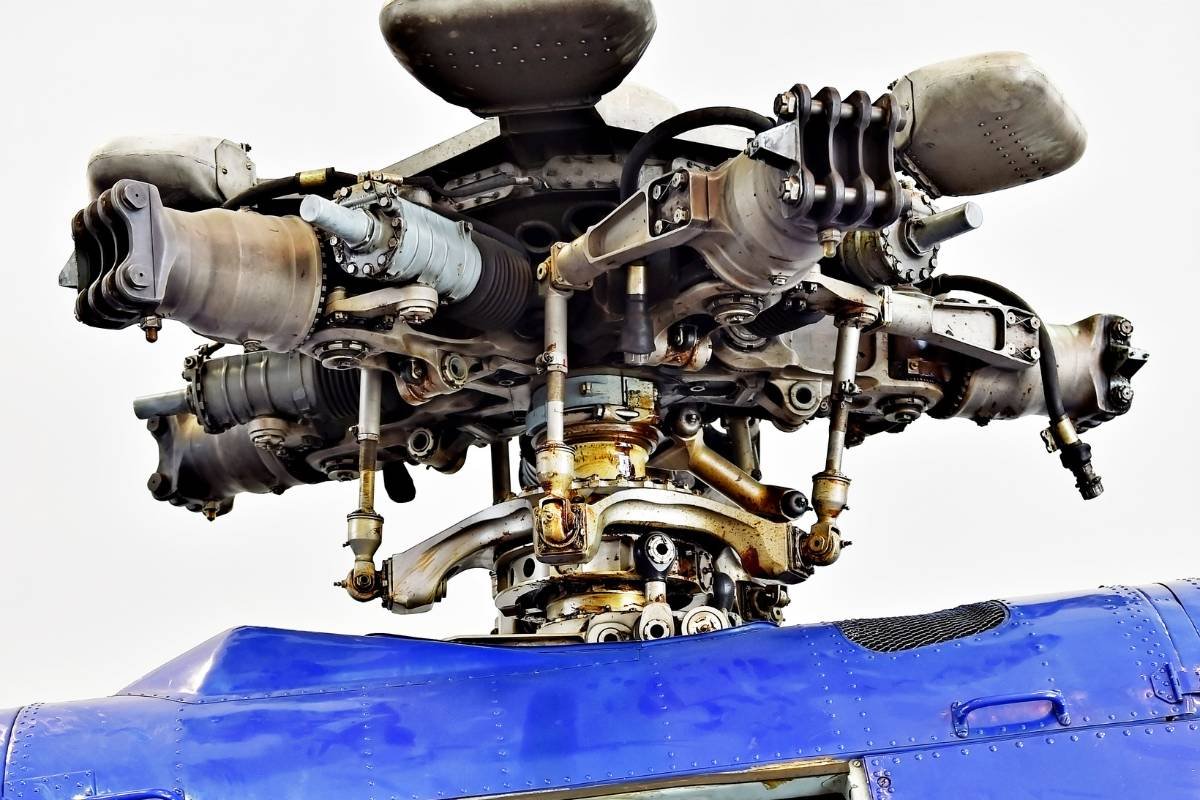
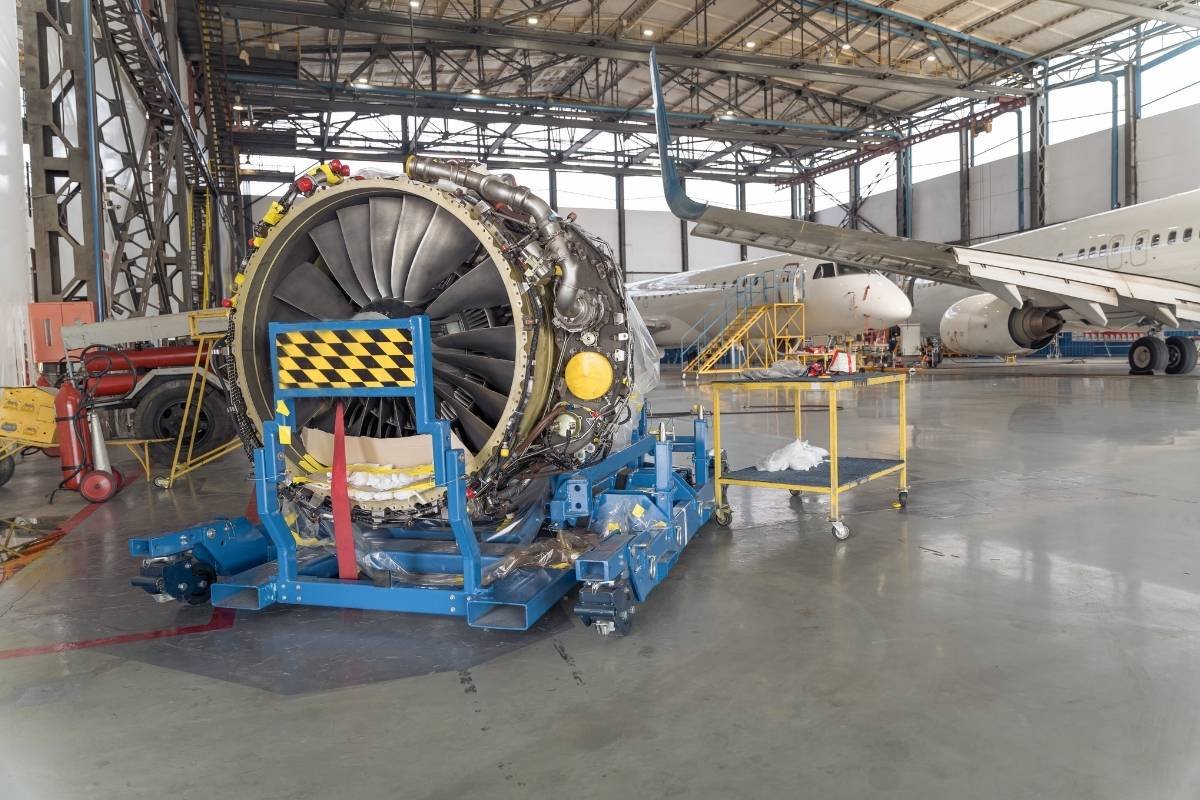
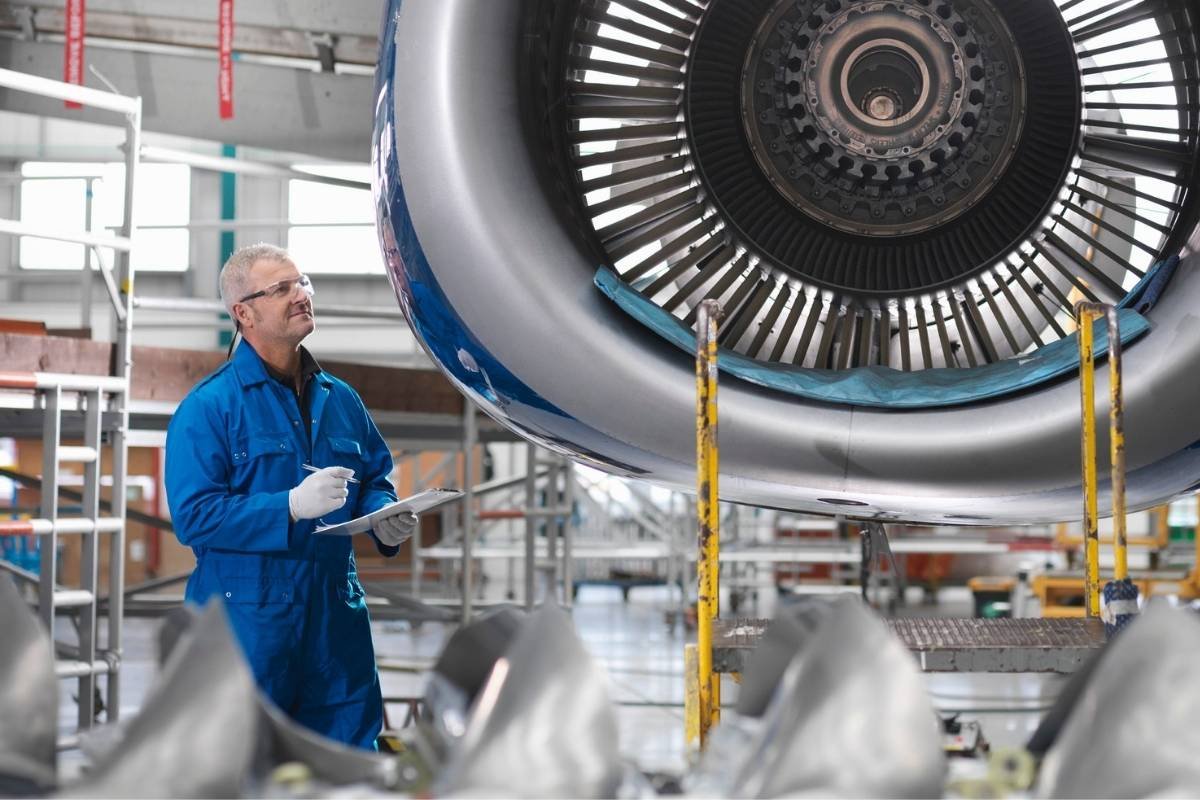
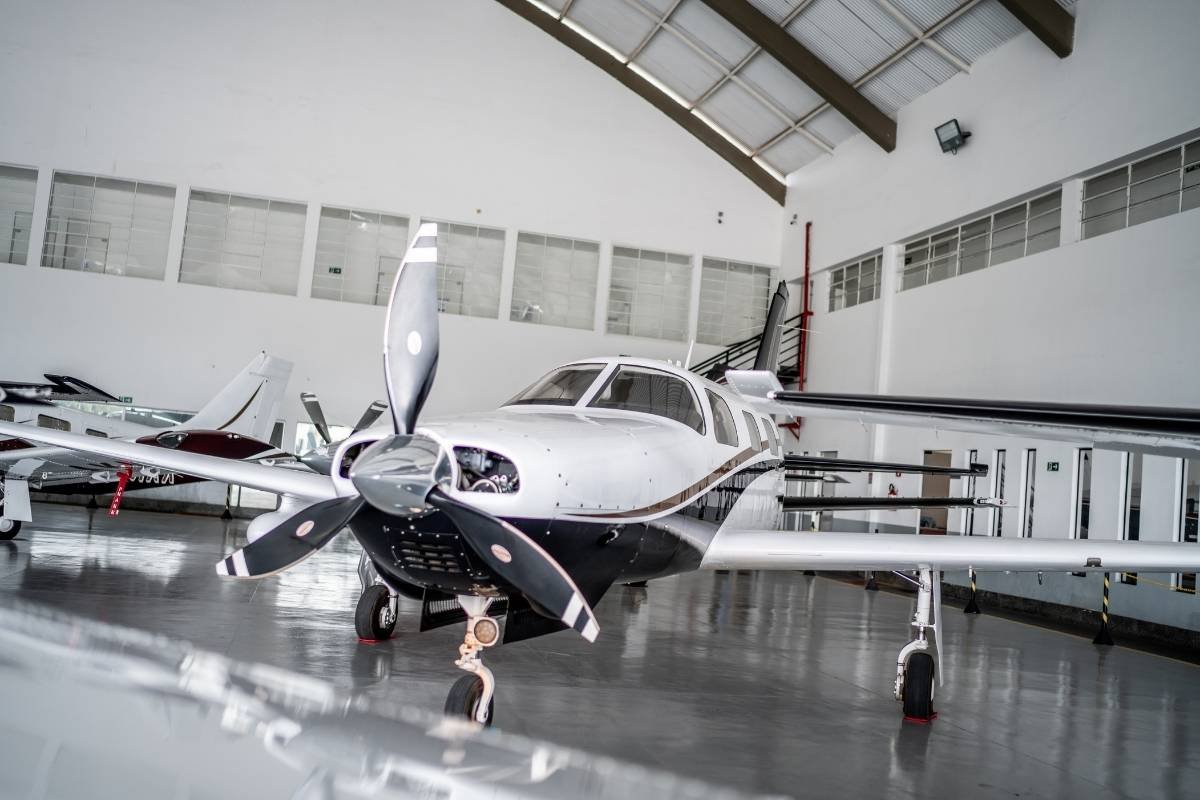
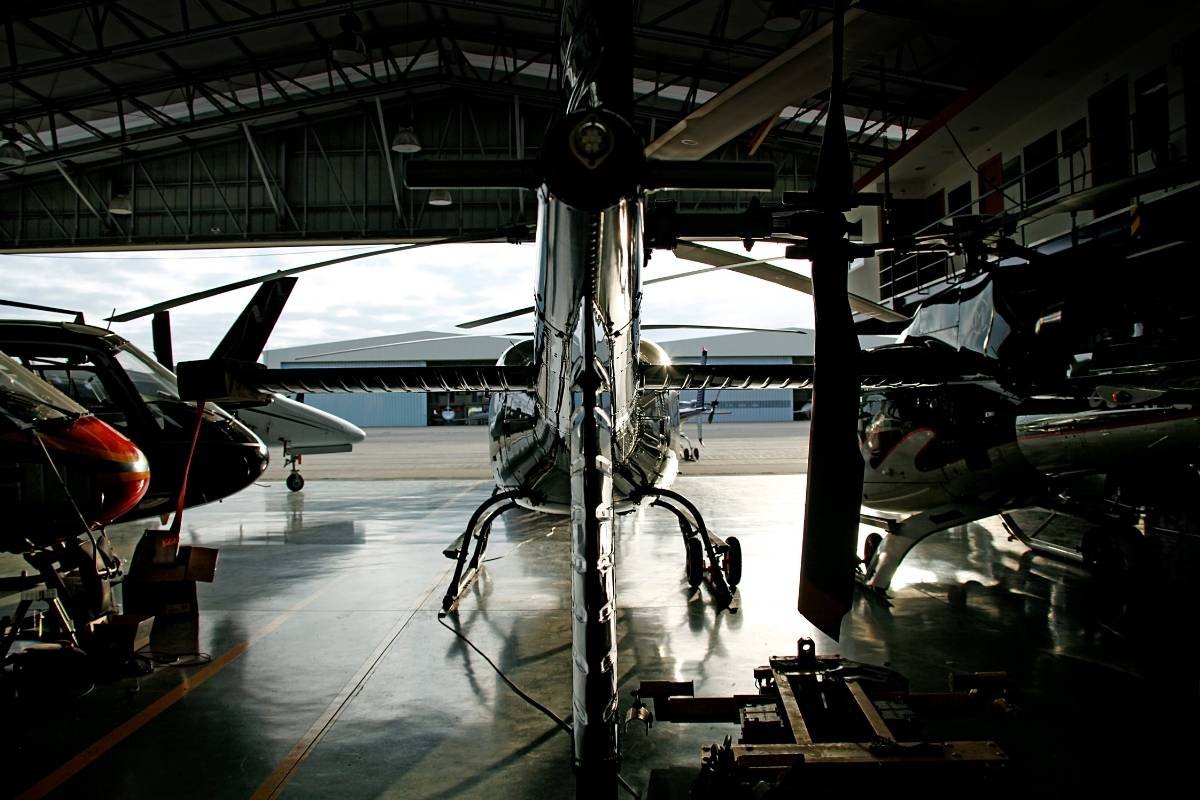
Augusta Technical College provides FAA 14 CFR Part 147 aviation maintenance training through its Aviation Technology Training Center, which the college notes is located on its Thomson Campus. The program description highlights a purpose-built facility with classrooms and multiple labs, including equipment and aircraft used to satisfy FAA training requirements. For prospective students, this “facility-first” emphasis is important: aviation maintenance is a hands-on trade, and the quality and availability of lab space and training aircraft directly affect your day-to-day learning experience.
Augusta Tech is also transparent about how its offerings are structured. The aviation page outlines multiple program options: technical certificates of credit for specific paths (including Airframe-only and Powerplant-only options) and a degree/diploma pathway under Aviation Maintenance Technology. For students who want the full mechanic certificate with both ratings, the page states that the complete Airframe and Powerplant course requires six semesters. Converted to a standard timeline, six semesters is typically about 24 months for full-time study. That gives students a concrete planning number for budgeting, scheduling work, and setting expectations around how quickly they can reach FAA testing.
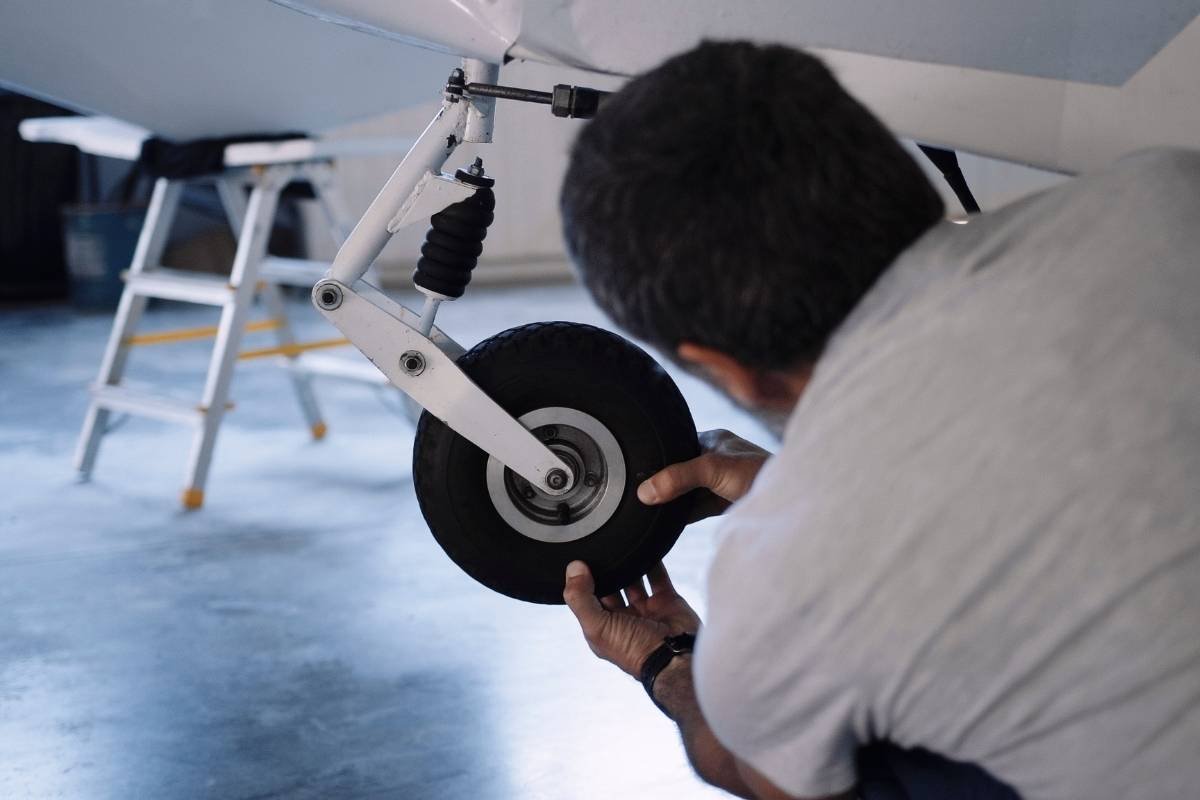
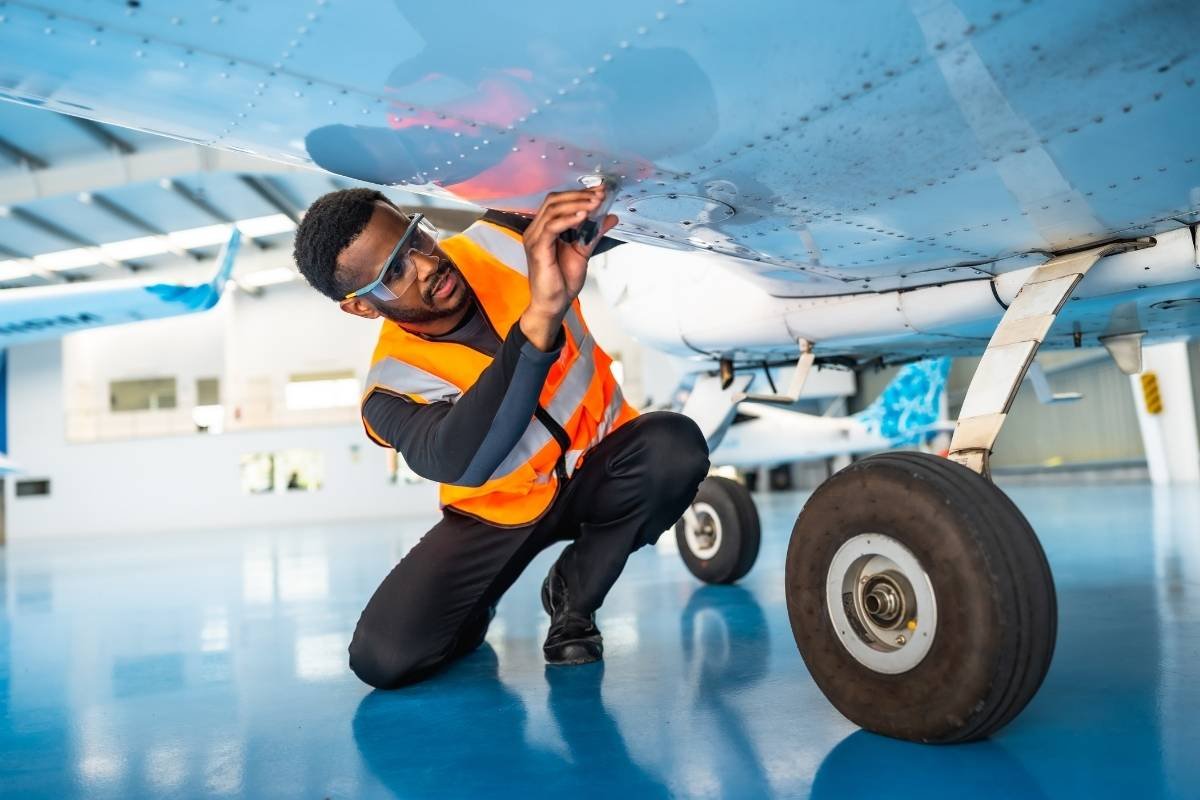
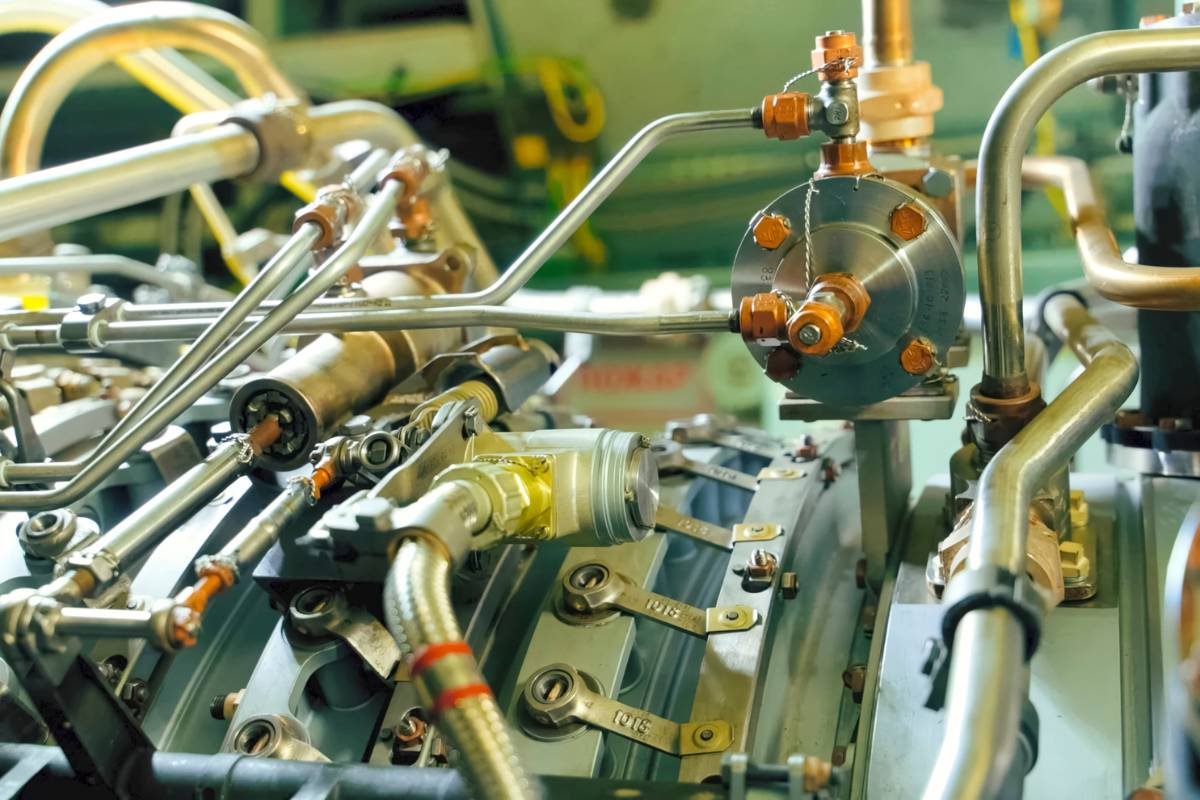
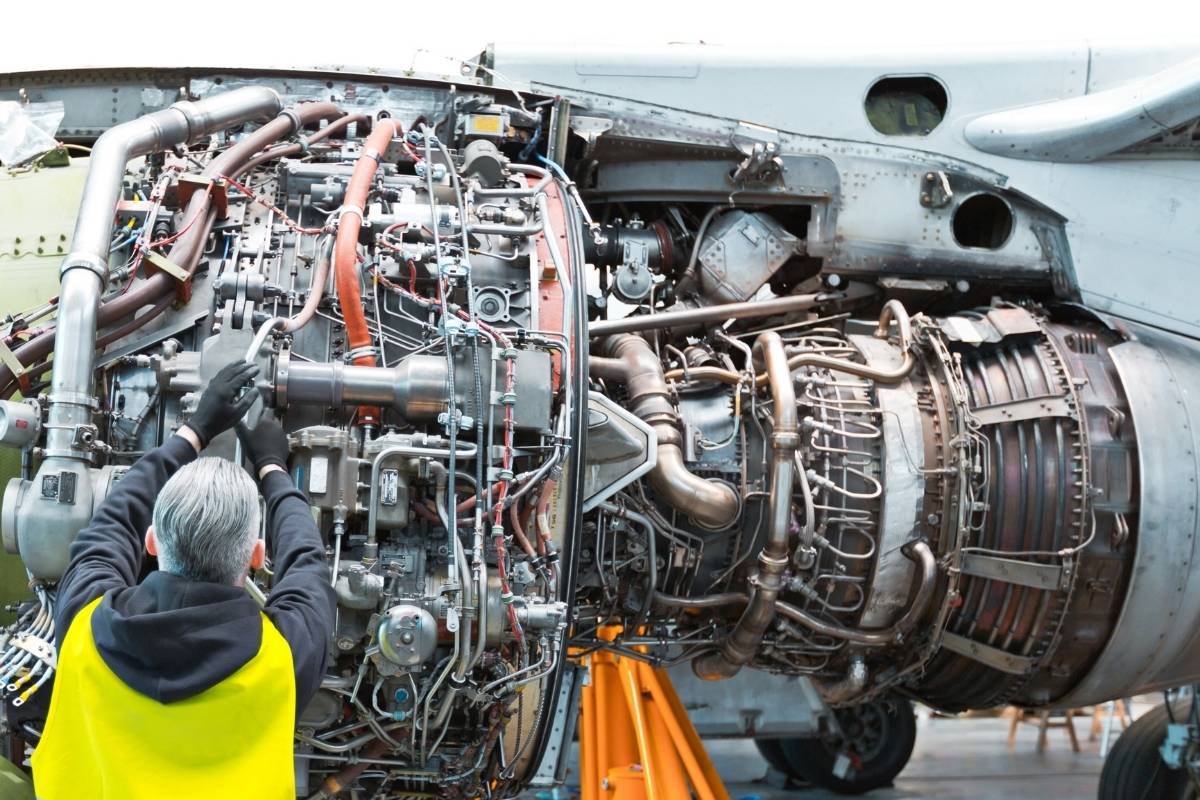
Program content is described as a blend of theory and practical application, with graduates prepared to inspect, troubleshoot, service, maintain, and repair certificated aircraft and aircraft engines and their associated systems. In practical terms, students in a Part 147 environment should expect to learn maintenance documentation and regulations, inspection standards, tool and hardware practices, corrosion control, structural repair concepts, aircraft electrical fundamentals, and system troubleshooting. On the airframe side, that typically means structures and aircraft systems (controls, landing gear, hydraulics, pneumatics, and related components). On the powerplant side, training shifts toward reciprocating and turbine engine theory, engine systems, troubleshooting, and the procedures used to determine airworthiness and return-to-service.
A notable operational detail is that Augusta Tech mentions access to a testing center located at the main terminal of the airport for written testing requirements. That kind of proximity can reduce friction when students are ready to take FAA exams and begin the certification process.
Augusta Tech is a strong candidate for students in Georgia who want a Part 147 program with multiple credential options and a clear, semester-based timeline for the full A&P. When you compare it to other schools, focus on (1) which credential you want to earn (certificate vs. associate), (2) your preferred pacing (full-time vs. part-time, if available), and (3) the specific resources available in labs-training aircraft, tooling expectations, and how instructors structure hands-on competencies. With those details confirmed, Augusta Tech’s aviation center can be a practical pathway into aviation maintenance careers in the region.