Savannah Technical College
Details
Description
Savannah Technical College offers Aviation Maintenance training in Savannah, Georgia, through an Aviation Maintenance Technology pathway that is described as an FAA Part 147 approved school program. The program description emphasizes the combined airframe and powerplant curriculum and the goal of preparing students to participate in FAA airframe and powerplant examinations and certification processes. For prospective students, that matters because most employers in aircraft maintenance expect technicians to hold the FAA mechanic certificate with Airframe and Powerplant ratings, and a Part 147-aligned training program is a common route to become eligible for testing and entry-level employment.
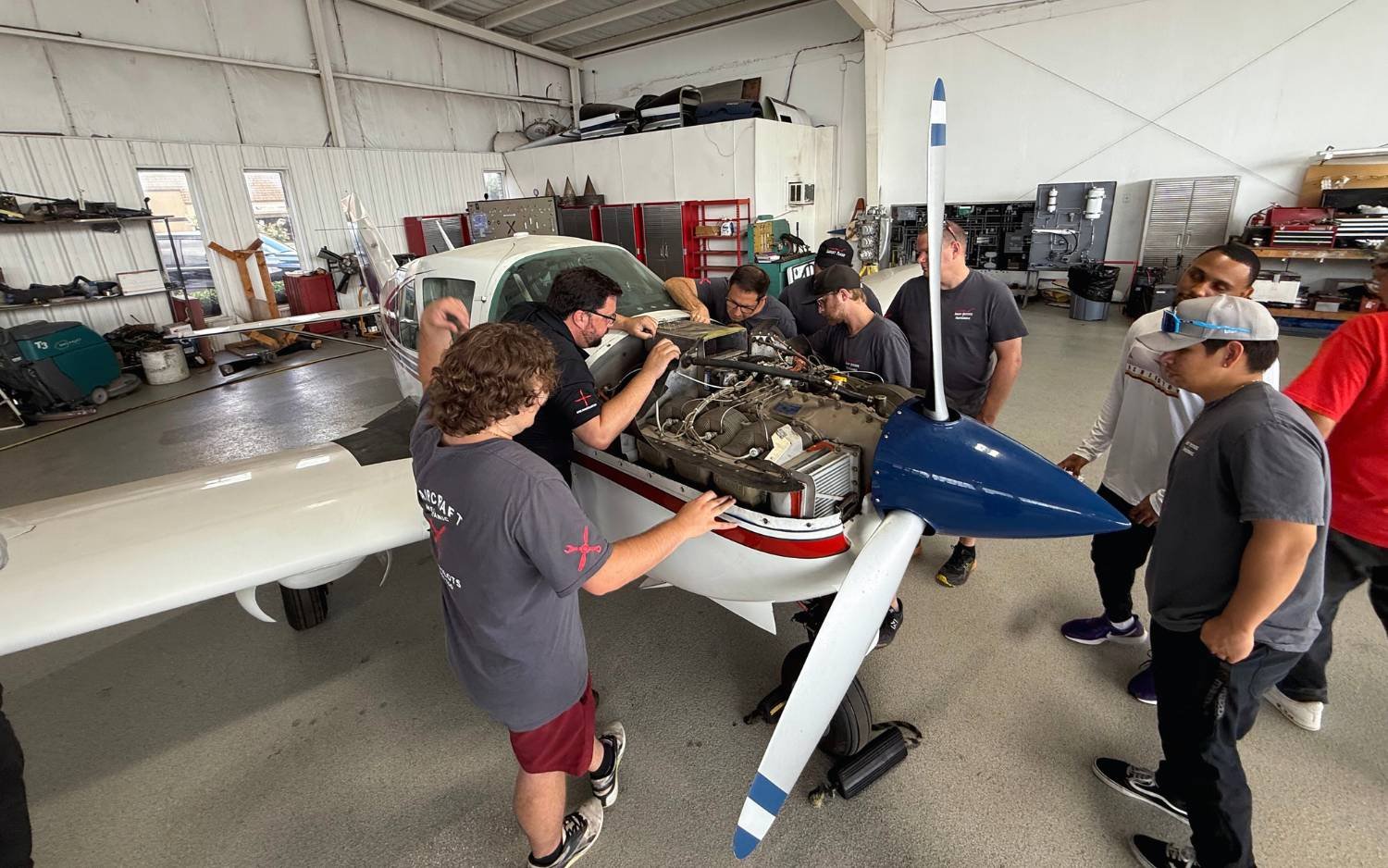
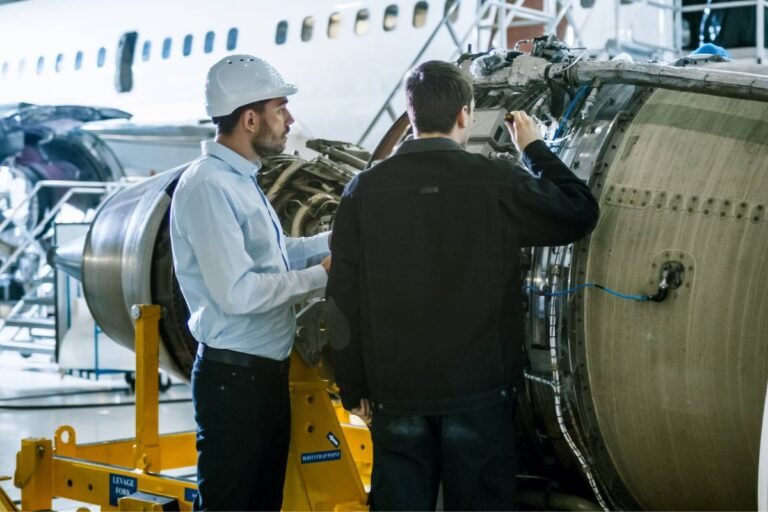
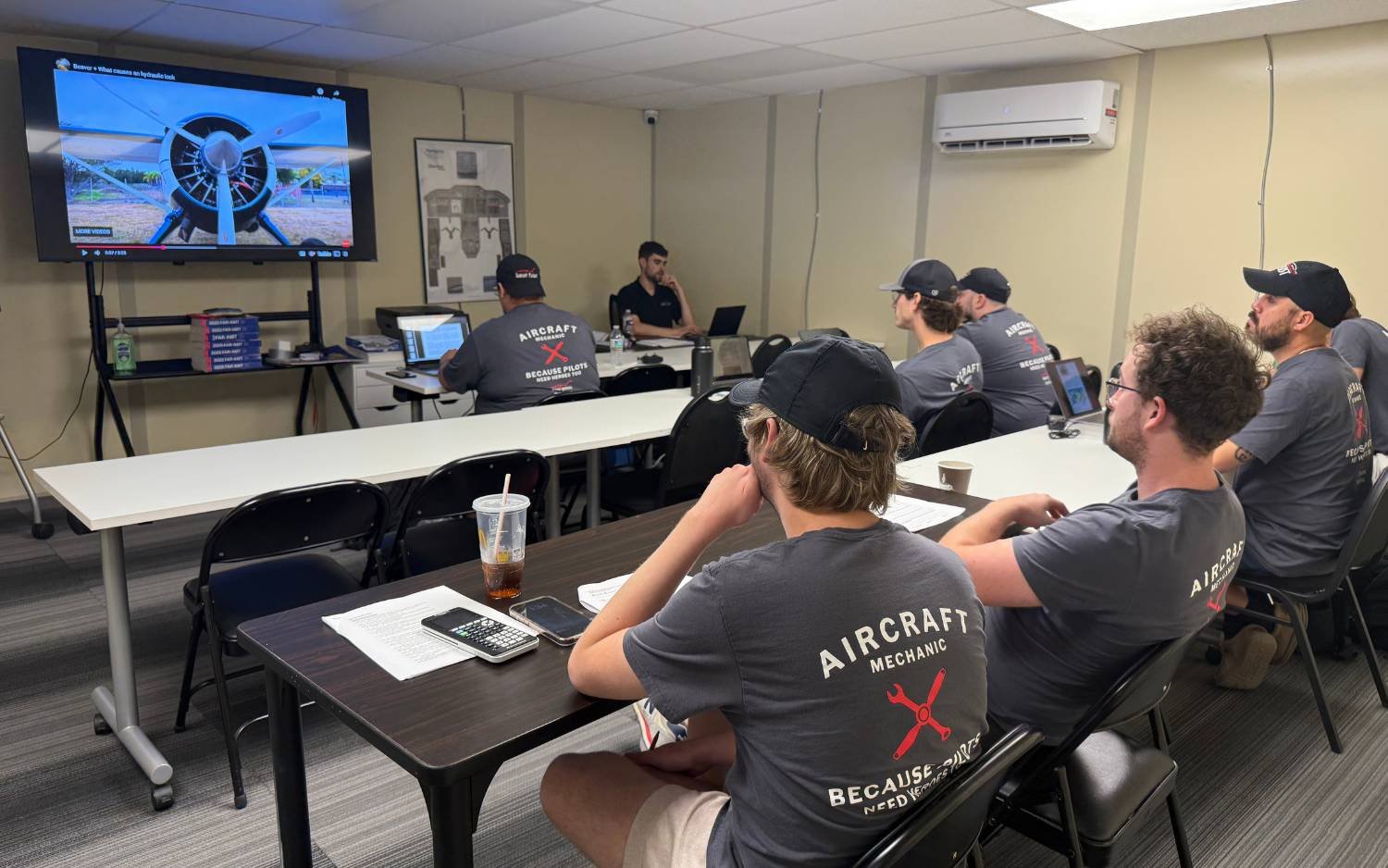
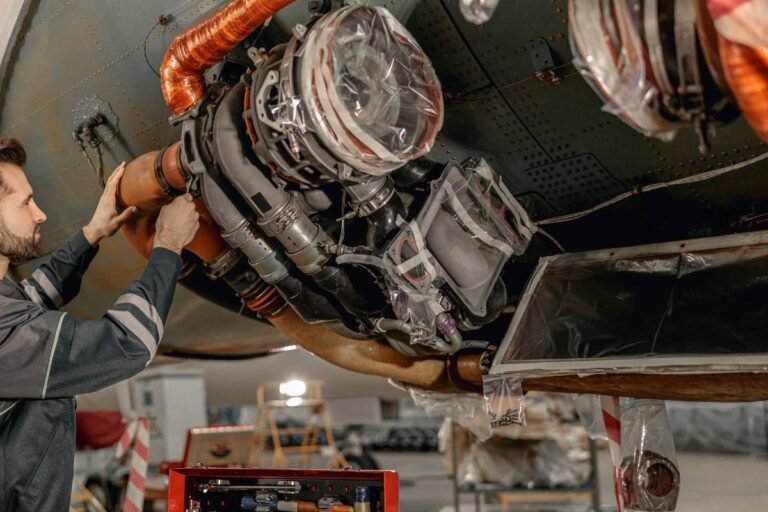
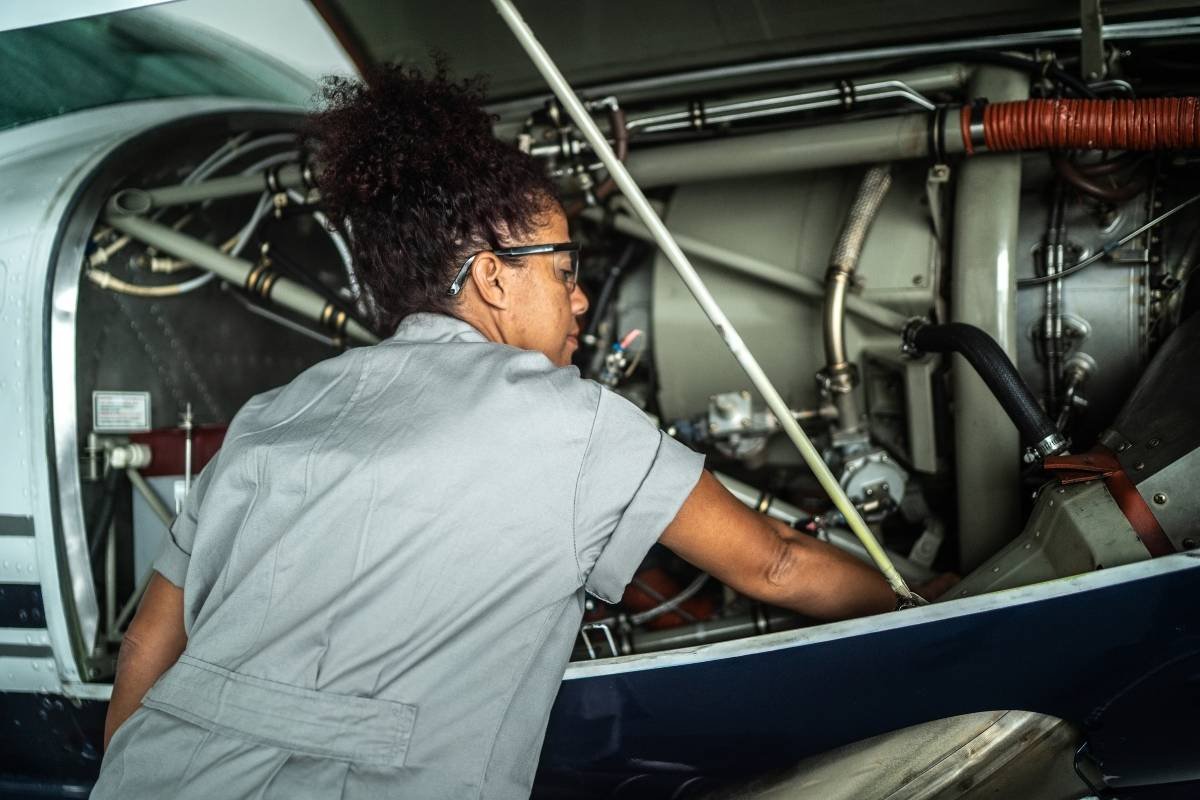
From a learning perspective, an aviation maintenance curriculum like Savannah Tech’s is built around both theory and practical application. Students can expect instruction in maintenance regulations, safety practices, tools and materials, inspection procedures, aircraft structures, and major aircraft systems. On the powerplant side, students typically cover reciprocating and turbine engine fundamentals, fuel and ignition systems, propeller systems, and powerplant inspection practices. On the airframe side, students often work with electrical and instrument systems, hydraulics, landing gear concepts, flight control systems, and structural repair basics. The real value of a strong program is that students learn how to think like maintainers: follow written procedures, use manuals correctly, take accurate measurements, document work precisely, and troubleshoot methodically.
Savannah Technical College also points prospective students toward informational sessions for its aviation programs, which is a practical resource if you want to understand admissions requirements, deadlines, and financial aid considerations. Programs of this type are intensive, and the schedule and sequencing of courses can strongly affect time to completion. When you compare schools, ask Savannah Tech about program start terms, the typical weekly schedule, and the expected completion timeline in months for the credential you intend to earn. Also ask what costs students should plan for beyond tuition, such as tools, PPE, books, and FAA testing expenses, since the program description notes that the FAA exams are not included as part of the program or its cost.
Savannah is also a region with a significant aviation presence, and Savannah Tech’s aviation programs are often discussed in the context of local workforce needs. For students who prefer to train in a market where aviation employers are active, that local context can support internships, networking, and job placement conversations. A good next step is to review the program catalog link for the specific credential (degree, diploma, or certificate) and then speak with admissions to confirm the best pathway for your goals, whether you want the most direct route to A&P certification or you want an associate degree that includes additional general education coursework.