
Texas State Technical College – Harlingen
Details
Description
Texas State Technical College (TSTC) in Harlingen serves the Rio Grande Valley with aviation maintenance training that focuses on the two foundational FAA areas: aircraft structures and systems (airframe) and aircraft engines and related power systems (powerplant). Through its Aircraft Airframe and Aircraft Powerplant programs, TSTC gives students a clear pathway to build job-ready skills for aviation maintenance roles in general aviation, repair stations (MROs), and commercial aviation support environments. TSTC’s aviation messaging emphasizes that the curriculum is aligned to FAA expectations and designed for hands-on learning an important point for students who want to graduate able to perform inspections, repairs, and troubleshooting using real tools and standard maintenance documentation.
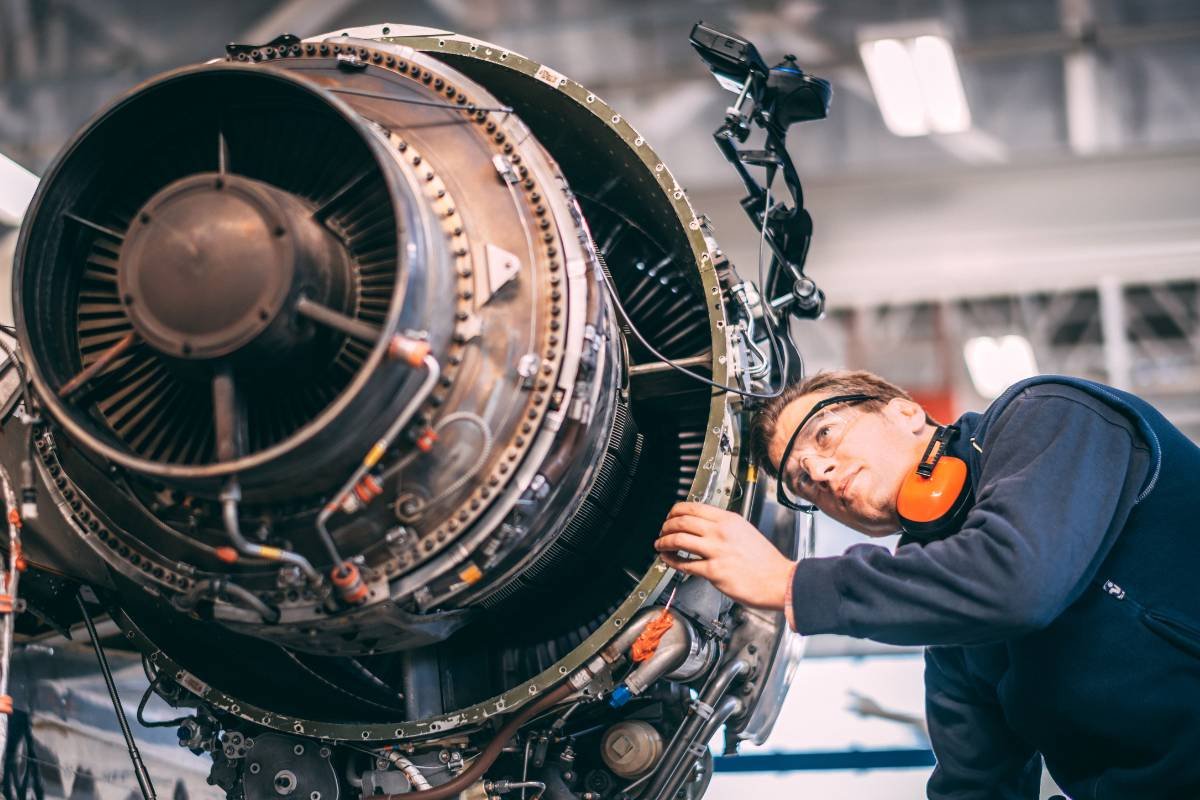
At a high level, the airframe portion prepares students to work on the physical structure of the aircraft and the systems that keep it safe in flight. Students can expect training related to structural inspection, aircraft materials, fasteners, corrosion prevention and control, control surfaces, and aircraft systems that integrate into the airframe environment. The powerplant portion prepares students to work on engines and supporting systems. That typically includes engine theory, inspection procedures, servicing, troubleshooting, and repair concepts that translate into real maintenance tasks. Many students ultimately pursue both areas because the combination expands hiring options and supports long-term flexibility across different sectors of aviation.
For scheduling, TSTC indicates a day-class format for its aviation programs, which generally works best for students who can commit to a consistent weekday routine. The airframe program is described as hybrid in format, while the powerplant program is described as in-person, so students should expect a blend of structured instruction and lab/hangar time depending on the plan. In a practical sense, the value proposition is straightforward: spend more time practicing, less time guessing, and move through a defined training sequence with faculty oversight.
TSTC also offers both certificate and Associate of Applied Science (AAS) pathways for aviation, which matters for students trying to balance speed and credentials. A certificate can be a faster route into the workforce, while an AAS can add academic depth and may support advancement later especially if you pursue roles that value broader technical communication, troubleshooting documentation, or leadership responsibilities.
If you are evaluating Harlingen, the strongest due-diligence questions are: what is the current completion timeline in months for your chosen plan, what weekly time blocks are required for labs, and what additional costs (tools, materials, exam prep) you should budget beyond tuition. You should also ask about local employer connections in South Texas and the Rio Grande Valley, since regional partnerships often influence internship opportunities and hiring pipelines for new graduates.