School of Missionary Aviation Technology
Details
Description
The School of Missionary Aviation Technology (SMAT) in Ionia, Michigan offers a mission-driven, FAA Part 147 approved Airframe and Powerplant (A&P) maintenance training program designed to be completed in 12 months. SMAT is positioned for students who want a comprehensive technician skill set and who are drawn to a Christ-centered training environment with a strong missions orientation. The school emphasizes small class sizes, a low student-to-faculty ratio, and a warm community culture where students build relationships with instructors and peers while completing demanding technical training.
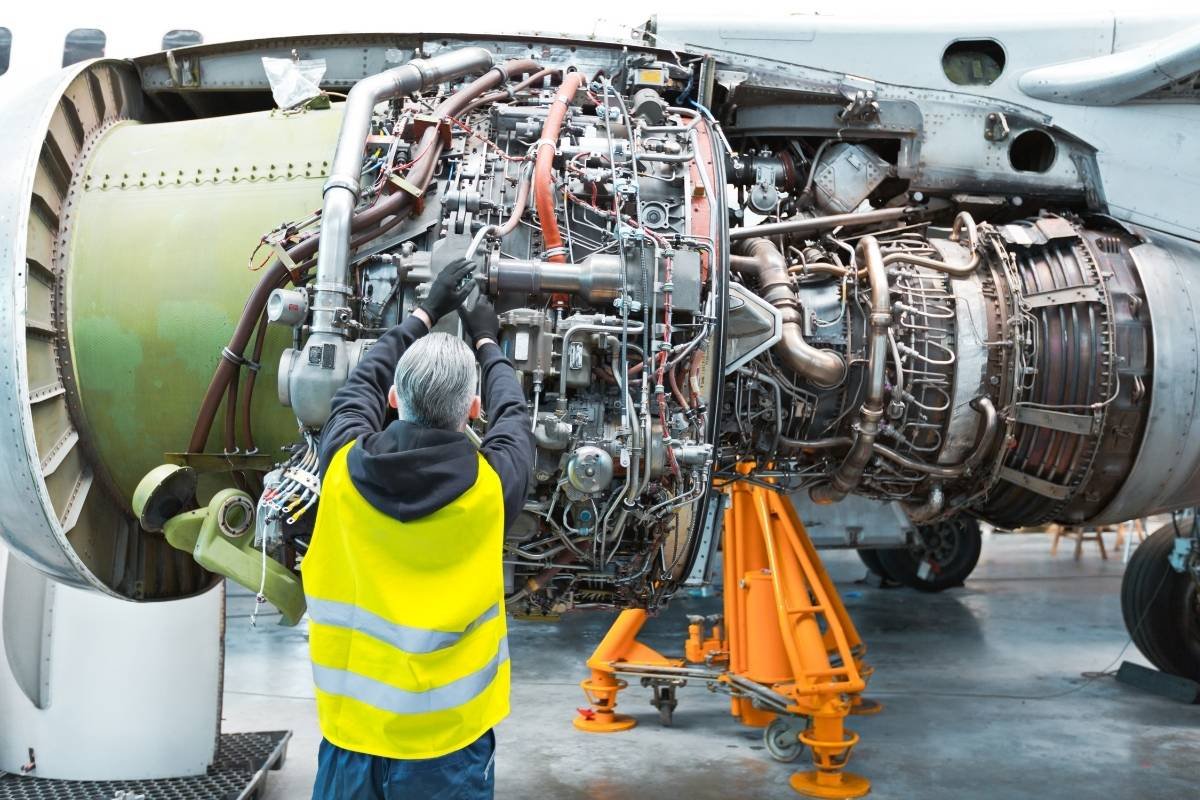
SMAT’s A&P maintenance program is structured to prepare students for the FAA written, oral, and practical mechanic tests. The school highlights a learning model that is heavily hands-on, describing the program as roughly 60% lab and 40% lecture. That balance is significant for prospective students: it suggests students spend substantial time in applied projects and lab workstations, building the physical skills and troubleshooting habits that maintenance employers expect. SMAT also notes individual lab workstations and spacious facilities, along with hands-on projects and aircraft mockup systems, which supports repeat practice and skill refinement key ingredients for success in a condensed one-year timeline.
From a curriculum perspective, SMAT publishes course-level visibility that mirrors the FAA’s three-part structure. General classes include fundamentals like electricity, drawings, weight and balance, fluid lines and fittings, materials and processes, ground operations and servicing, cleaning and corrosion control, regulations and maintenance records, physics, and human factors. Airframe coursework then expands into structures, welding, flight controls, rotorcraft fundamentals, inspection, landing gear, hydraulics and pneumatics, environmental systems, instruments, communications and lighting systems, fuel systems, and more. Powerplant instruction covers reciprocating engines, turbine engines and air systems, inspection, instrument systems, fire protection, electrical systems, lubrication, ignition and starting, fuel metering, induction and cooling, exhaust/reverse, and propellers. For students, this level of published transparency helps clarify what comprehensive means in practice.
Cost and logistics matter with any private training program, and SMAT provides a clear baseline: the maintenance program tuition and lab fees are listed at $32,000, with additional costs for tools and FAA testing, and students are responsible for their own room and board. That straightforward pricing (plus published academic calendar details) can make budgeting easier than programs with hidden fees.
SMAT can be a strong fit for students who want an accelerated, full-scope A&P pathway in a mission-oriented community, and who value structured, published curriculum detail alongside an intensive lab-heavy training approach. Prospective students should confirm start dates, expected weekly hours, and housing options in the Ionia area, especially if relocating for the 12-month program.