US Aviation Academy’s San Marcos location offers an accelerated path to FAA Airframe & Powerplant (A&P) mechanic certification through its FAA Part 147 program based at San Marcos Regional Airport.
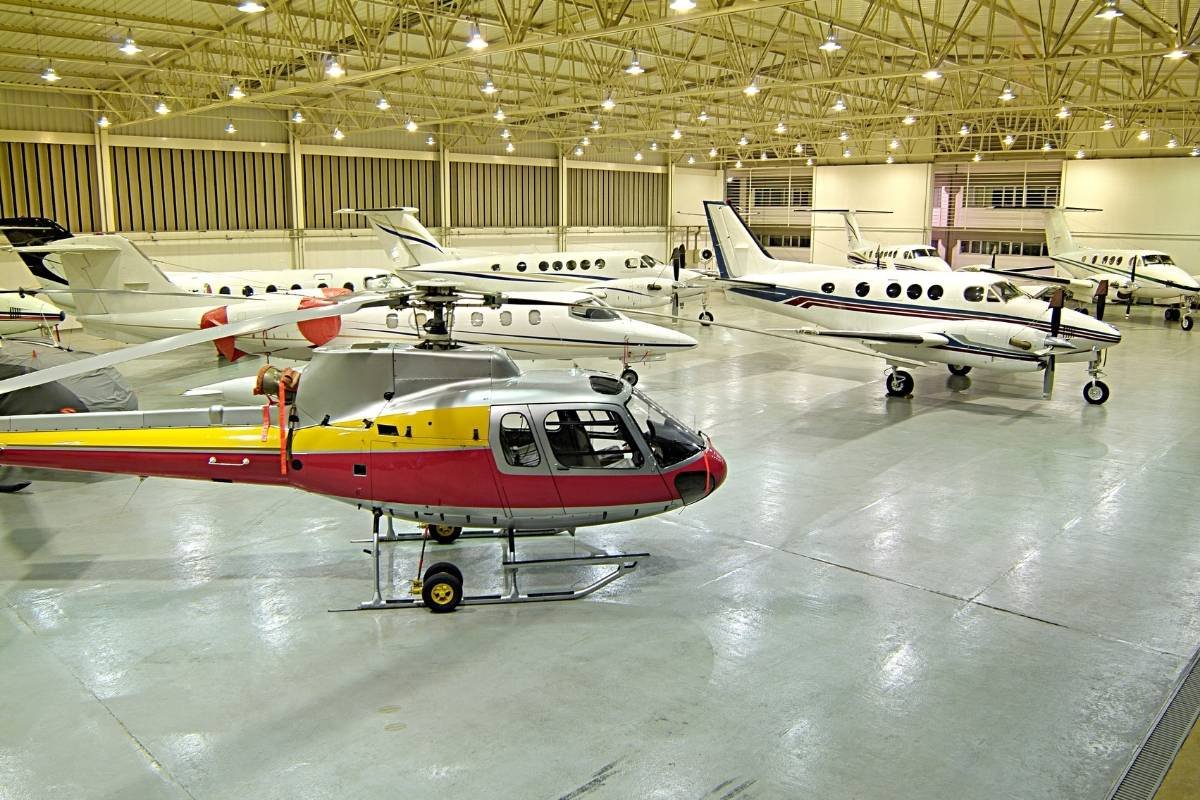
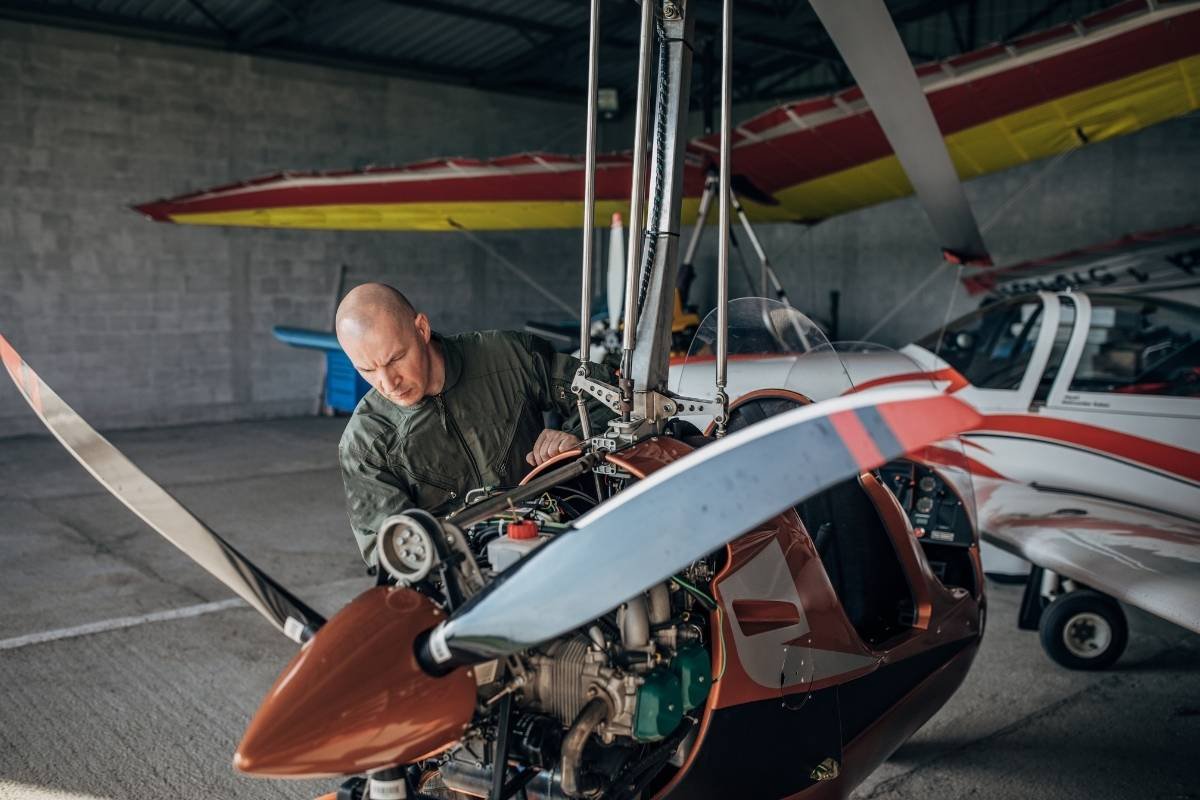
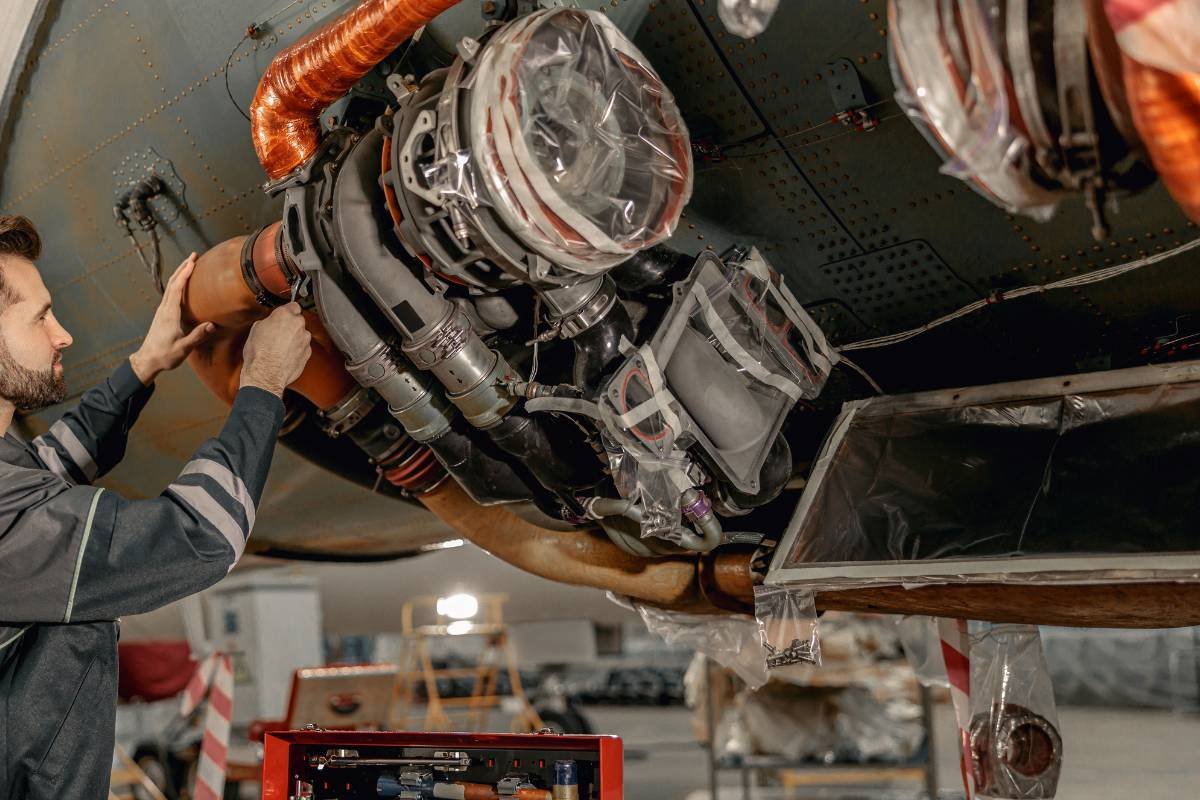
The program is built for students who want an immersive, hands-on training experience that mirrors the work environment of an aircraft maintenance shop. Training is focused on the practical skills employers expect from entry-level technicians: inspecting aircraft structures and systems, troubleshooting mechanical issues, performing repairs in accordance with FAA standards, and documenting maintenance properly.
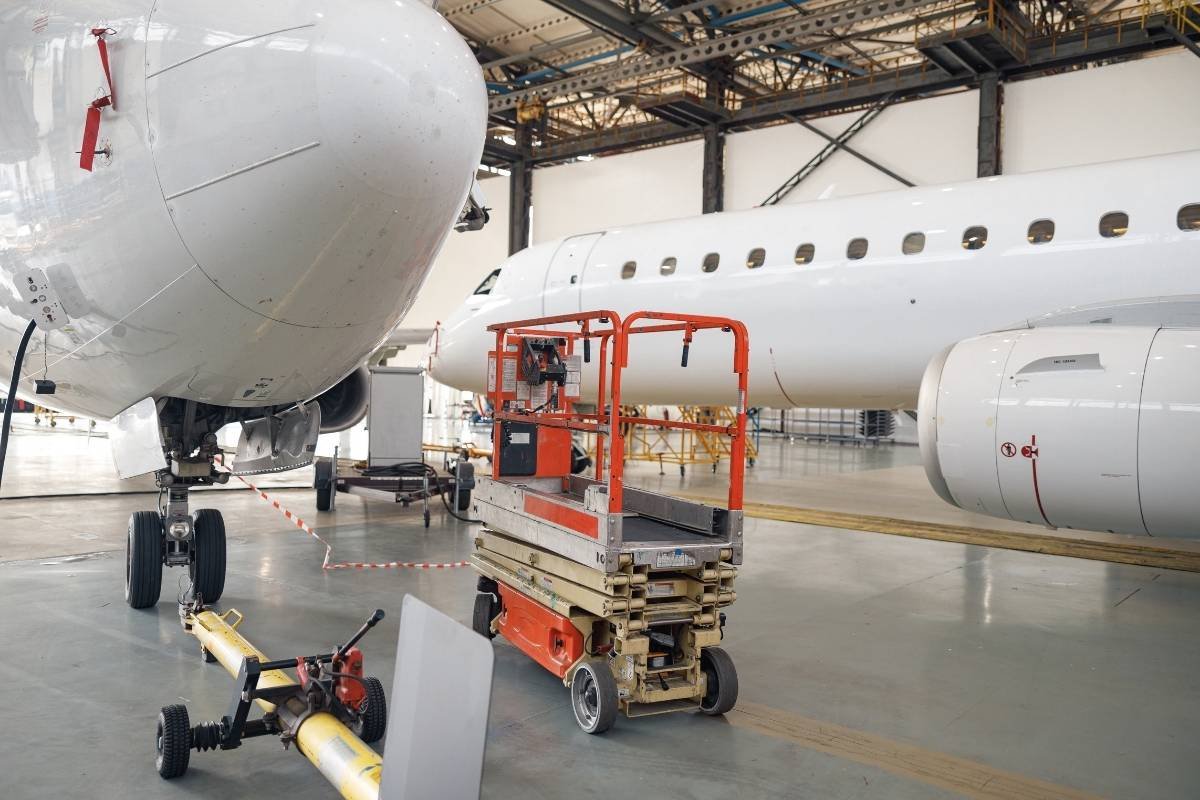
A standout feature of the San Marcos offering is that it is structured as an accelerated option, with a daytime track designed to be completed in about eight months, plus an evening option for students who need a longer, after-hours schedule. That flexibility can be especially helpful for career-changers who are balancing work and family responsibilities while working toward an A&P certificate. Because the campus is located on an active airport, students are learning in an environment where aviation is happening all around them, which can reinforce the real-world feel of the training.
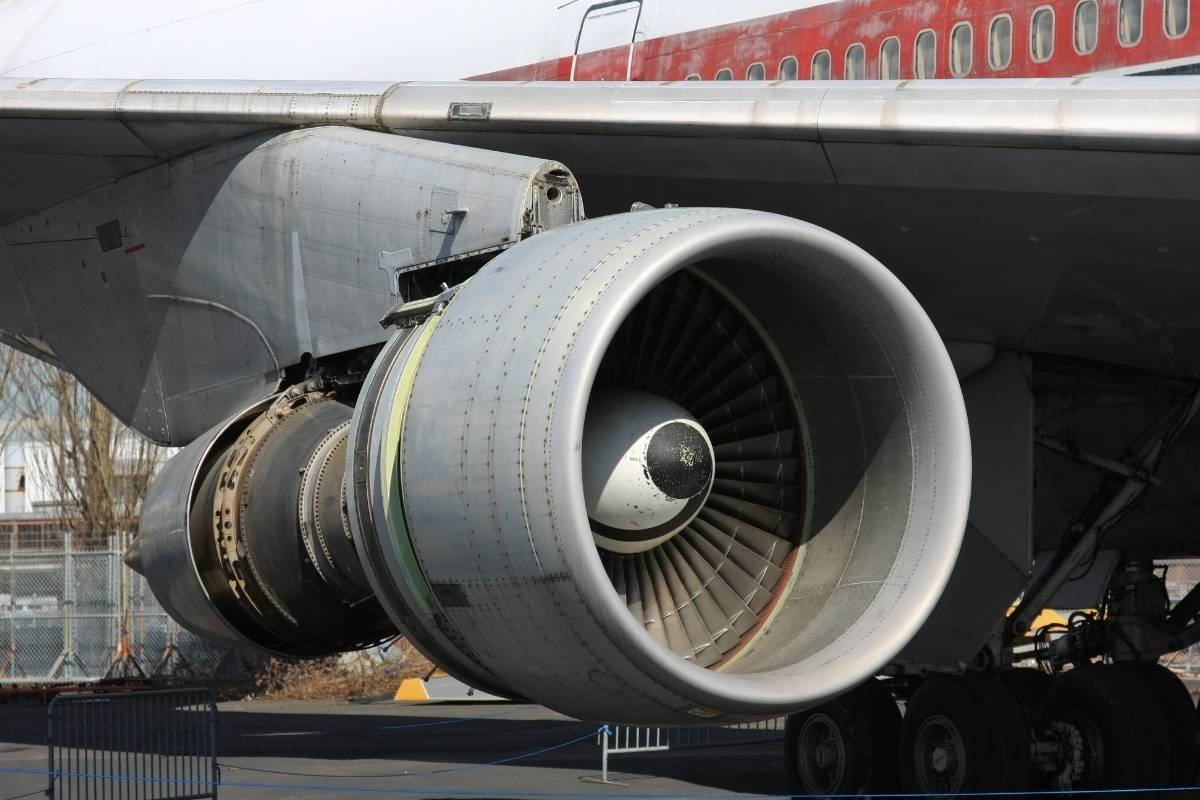
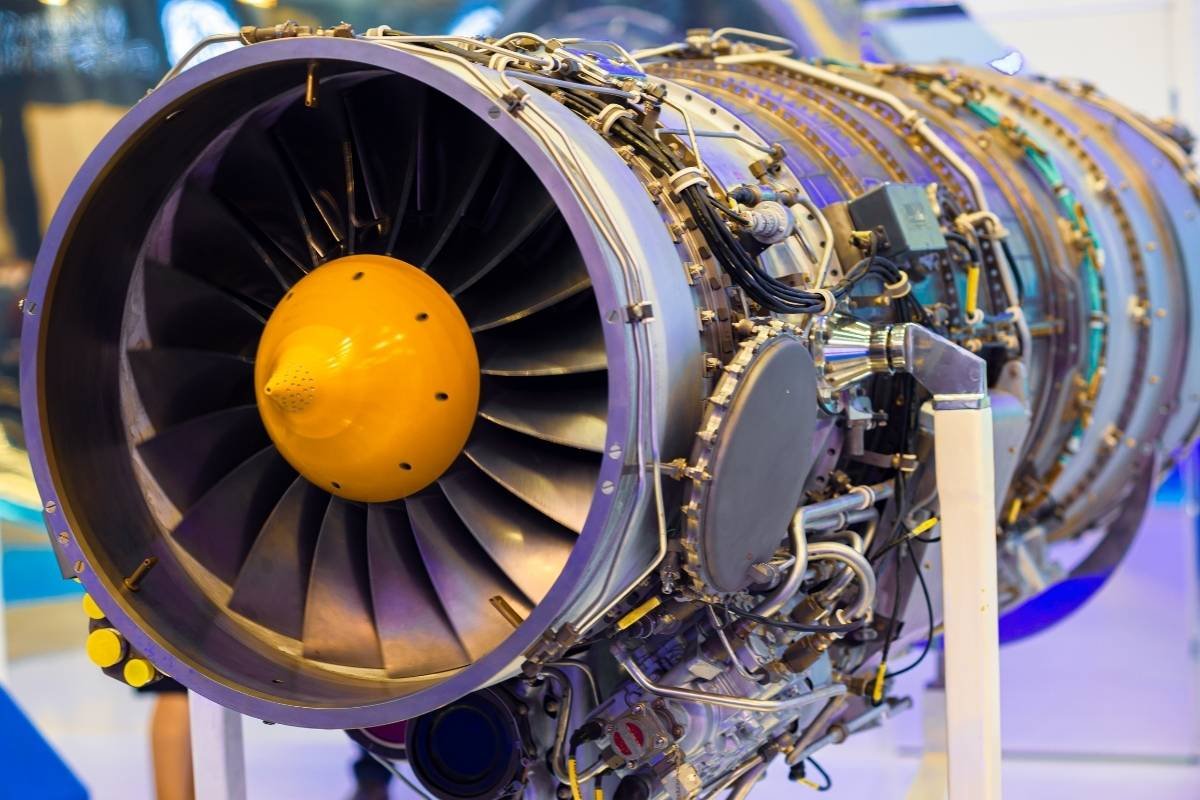
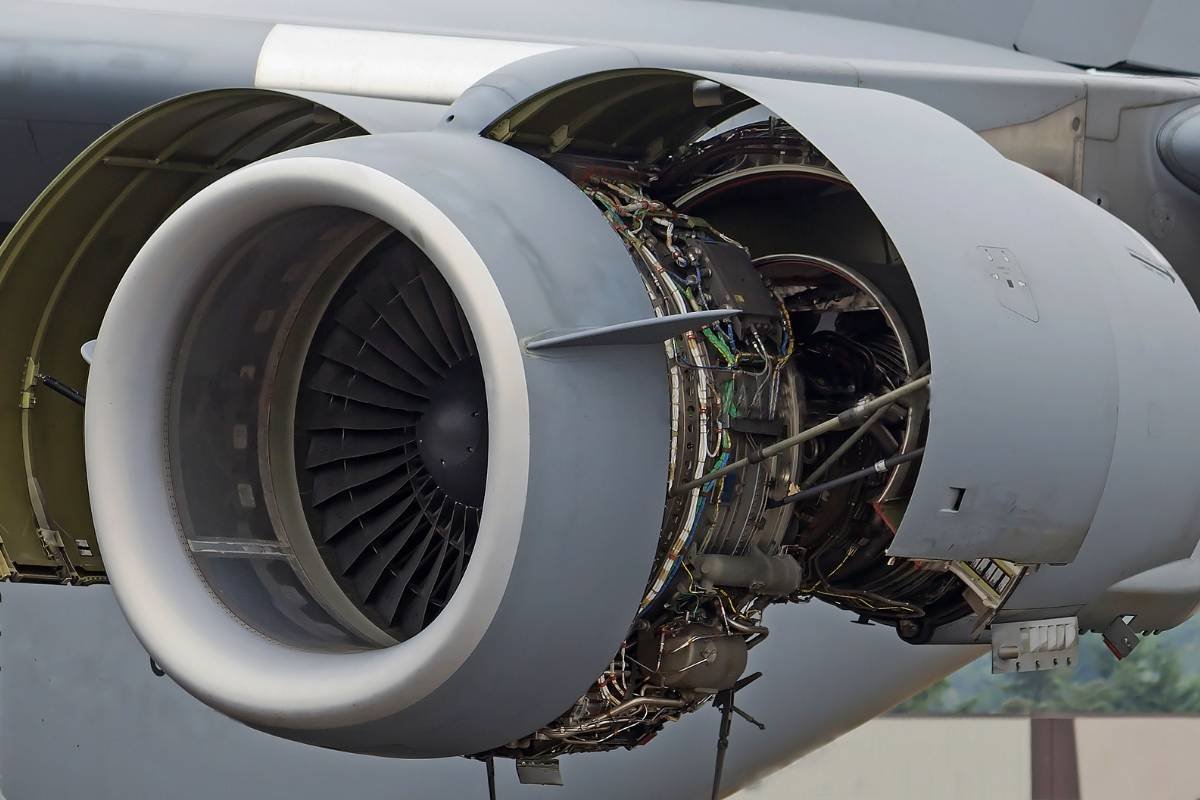
The curriculum is intended to cover both airframe and powerplant subject areas so graduates can apply and test for the full A&P mechanic certificate. In practice, that means exposure to airframe structures and sheet metal work, basic electricity, aircraft drawings and regulations, landing gear and hydraulic systems, fuel systems, environmental systems, engine theory, reciprocating and turbine topics, and the inspection mindset that’s central to safe maintenance. Students should expect a blend of classroom instruction, lab work, and structured hands-on tasks that help them build confidence with tools, procedures, and maintenance workflows.
US Aviation Academy also promotes career-aligned outcomes and highlights industry connections, including a preferred hiring pathway that the school has publicized with Envoy Air for A&P mechanics in some contexts. When you speak with admissions, ask for the most current list of employer partners, what preferred means in practice, and how interviews or hiring events are coordinated. It’s also smart to ask about class start dates, cohort sizes, instructor experience, and whether you’ll have access to turbine training aids or live-aircraft training resources during the program.
If you’re evaluating San Marcos versus other schools, the main reasons to consider it are speed (an accelerated track), airport-based training, and a clear focus on preparing for FAA certification testing. As with any A&P program, the most important details to confirm are total clock hours, the exact weekly schedule for day and evening cohorts, what is included in tuition (books, tools, uniforms, exam prep), and what support is provided for FAA written/oral/practical preparation and testing logistics. Finally, confirm veteran benefit eligibility and how GI Bill® funding is applied, including any required documentation and timelines.