Florida’s aviation industry is more varied than most people expect. Miami International handles more international cargo than any other U.S. airport.
Orlando and Tampa anchor a dense cluster of commercial airline operations and MRO facilities. Jacksonville has a significant military aviation presence.
And Daytona Beach is home to one of the most recognized aviation universities in the country. The best aircraft mechanic schools in Florida reflect that geographic spread, with programs running from Tallahassee down to Naples and across to the Space Coast.
This guide covers the Florida programs currently listed in the AMT Registry, a national directory of FAA-approved Aviation Maintenance Technician programs. Each entry links to both the school’s program page and its AMT Registry listing.
Quick Comparison
| School | Location | Credential | Length | Approx. Cost | GI Bill |
|---|---|---|---|---|---|
| Embry-Riddle Aeronautical University | Daytona Beach | Bachelor of Science | 4 years | ~$36,868/yr | Yes |
| George T. Baker Aviation Technical College | Miami | Certificate | 30 months | ~$4,290/yr | Yes |
| Eastern Florida State College | Melbourne | Certificate | 24 months | ~$17,996 total | Yes |
| Florida State College at Jacksonville | Jacksonville | AAS Degree | 24 months | ~$8,710 | Yes |
| Tom P. Haney Technical College | Panama City | Certificate | 12 months | ~$4,500 | Yes |
| Lively Technical College | Tallahassee | Certificate | 20 months | ~$8,521 | Not listed |
| Lorenzo Walker Technical College | Naples | Certificate | 14 months | Not listed | Not listed |
| Central Florida Aerospace Academy | Lakeland | Certificate | Not listed | ~$5,117 | Yes |
1. Embry-Riddle Aeronautical University — Daytona Beach
School Website | AMT Registry Listing
Address: 1 Aerospace Blvd, Daytona Beach, FL 32114 Program Length: 4 years | Cost: ~$36,868/year | GI Bill: Yes Ratings: Airframe & Powerplant | Credential: Bachelor of Science | Schedule: Day Housing: Available
Embry-Riddle is the most recognized name in aviation education in the country, and its Daytona Beach campus offers Aviation Maintenance Science at the bachelor’s degree level through the College of Aviation. The program is built around FAA A&P certification outcomes, with technical airframe and powerplant coursework embedded in a four-year university curriculum that also prepares graduates for advancement into quality, safety, engineering, and leadership roles.
Training happens in the Emil Buehler Aviation Maintenance Science Building, a facility dedicated specifically to airframe and powerplant instruction with extensive lab space. On-campus housing is available, and the university draws a mix of traditional students, veterans, and career changers because the degree structure supports career outcomes well beyond the first maintenance job.
The four-year commitment and private university tuition are real costs to weigh. Where ERAU earns its position is the credential itself: a bachelor’s degree in aviation maintenance science opens doors that a certificate simply doesn’t, particularly in manufacturer support, quality assurance, and senior technical roles.
Best for: Students planning long-term careers in aviation leadership, quality, or technical management who want a four-year degree from an institution built around aviation.
2. George T. Baker Aviation Technical College — Miami
School Website | AMT Registry Listing
Address: 3275 NW 42nd Ave, Miami, FL 33142 Program Length: 30 months | Cost: ~$4,290/year | GI Bill: Yes Ratings: Airframe & Powerplant | Credential: Certificate | Schedule: Day & Evening Clock Hours: 2,700
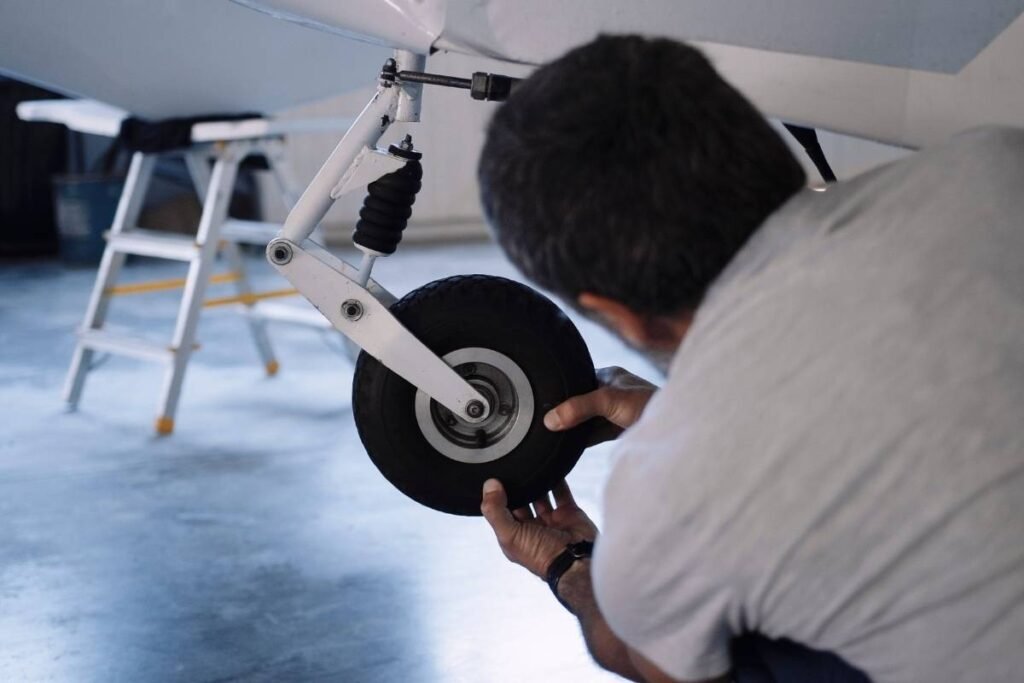
Baker sits near Miami International and logs 2,700 training hours, roughly 800 more than the FAA minimum. That additional hangar time matters: technicians who graduate with more hands-on repetitions are more competitive in hiring and hit their stride faster on the job.
The program is structured as a sequential pathway through General, Airframe, and Powerplant phases, with published hour breakdowns for each. Day and evening scheduling makes it workable for students who need to stay employed while they train, and at roughly $4,290 per year it’s one of the most affordable programs in South Florida.
Miami’s aviation job market is anchored by international cargo, commercial airline operations, and a growing MRO sector concentrated around MIA. Baker graduates have a short runway, in every sense, to employment.
Best for: South Florida students who want maximum hangar hours, flexible scheduling, and community-college-level cost within reach of one of the country’s busiest international airports.
3. Eastern Florida State College — Melbourne
School Website | AMT Registry Listing
Address: 640 Harry Sutton Rd, Melbourne, FL 32901 Program Length: 24 months | Cost: ~$17,996 total | GI Bill: Yes Ratings: Airframe & Powerplant | Credential: Certificate | Schedule: Day Clock Hours: 2,250
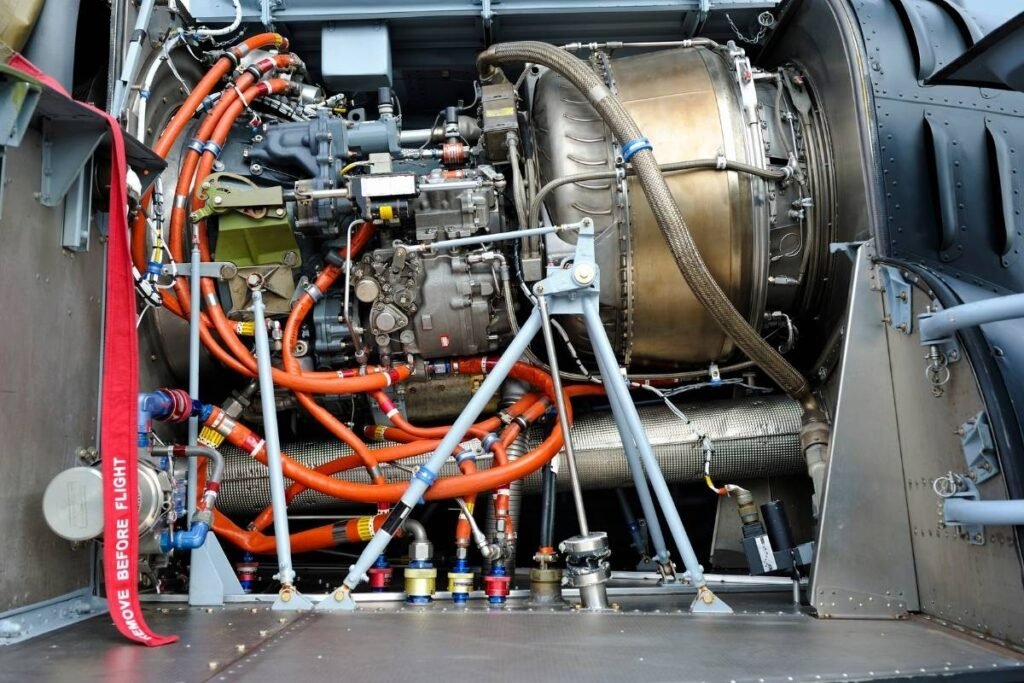
EFSC’s Aviation Center sits at Melbourne International Airport and runs a cohort-based program sequenced as 450 hours of General training followed by 900 hours each of Airframe and Powerplant, totaling 2,250 clock hours over two years. Classes run Monday through Thursday from 8:15 AM to 4:35 PM across fall, spring, and summer terms, a consistent full-time schedule that suits students who want steady momentum.
The program is limited-access with a formal application process including required placement testing, which filters for students who are prepared to keep pace. Melbourne puts graduates close to the Space Coast’s aerospace manufacturing and MRO operations, as well as the broader Central Florida aviation market.
Best for: Students on Florida’s Space Coast who want a structured, full-time cohort program with a clear two-year timeline and strong local aerospace industry access.
4. Florida State College at Jacksonville — Jacksonville
School Website | AMT Registry Listing
Address: 5640 POW-MIA Memorial Pkwy, Jacksonville, FL 32221 Program Length: 24 months | Cost: ~$8,710 | GI Bill: Yes Ratings: Airframe & Powerplant | Credential: Associate of Applied Science | Schedule: Day

FSCJ’s aviation programs are housed at the Cecil Center campus, a dedicated aviation facility that gives students a focused training environment separate from the college’s main campus. The program leads to an Associate of Applied Science degree, making it the only degree-granting option in Florida on this list outside of ERAU.
Jacksonville’s aviation sector is heavily influenced by naval aviation, with NAS Jacksonville and NAS Cecil Field both supporting significant maintenance operations in the area. The AAS credential carries added weight for students interested in defense contractor or civil service maintenance roles where educational credentials factor into hiring decisions.
Best for: Jacksonville-area students, particularly those connected to the military aviation community, who want a degree-level credential and the longer-term career flexibility it provides.
5. Tom P. Haney Technical College — Panama City
School Website | AMT Registry Listing
Address: 3016 FL-77, Panama City, FL 32405 Program Length: 12 months | Cost: ~$4,500 | GI Bill: Yes Ratings: Airframe & Powerplant | Credential: Certificate | Schedule: Day Clock Hours: 1,350

Haney finishes the Airframe certificate in 12 months at 1,350 clock hours, with a separate Powerplant program available to stack on the second rating. Classes run Monday through Friday from 7:30 AM to 1:15 PM, a predictable morning schedule that leaves afternoons free for students balancing work or family.
At roughly $4,500, Haney is the most affordable program in the Florida Panhandle and one of the most affordable in the state overall. Students who want the full A&P should confirm with the school how Airframe and Powerplant are sequenced and whether they can roll from one directly into the other without a gap between start dates.
Best for: Panhandle students who want the lowest-cost path to A&P certification with a manageable morning schedule.
6. Lively Technical College — Tallahassee
School Website | AMT Registry Listing
Address: 3290 Capital Circle S.W., Tallahassee, FL 32310 Program Length: 20 months | Cost: ~$8,521 | GI Bill: Not listed Ratings: Airframe & Powerplant | Credential: Certificate | Schedule: Day Clock Hours: 2,160 Industry Partners: Adapt Air LLC, StandardAero Business Aviation Services
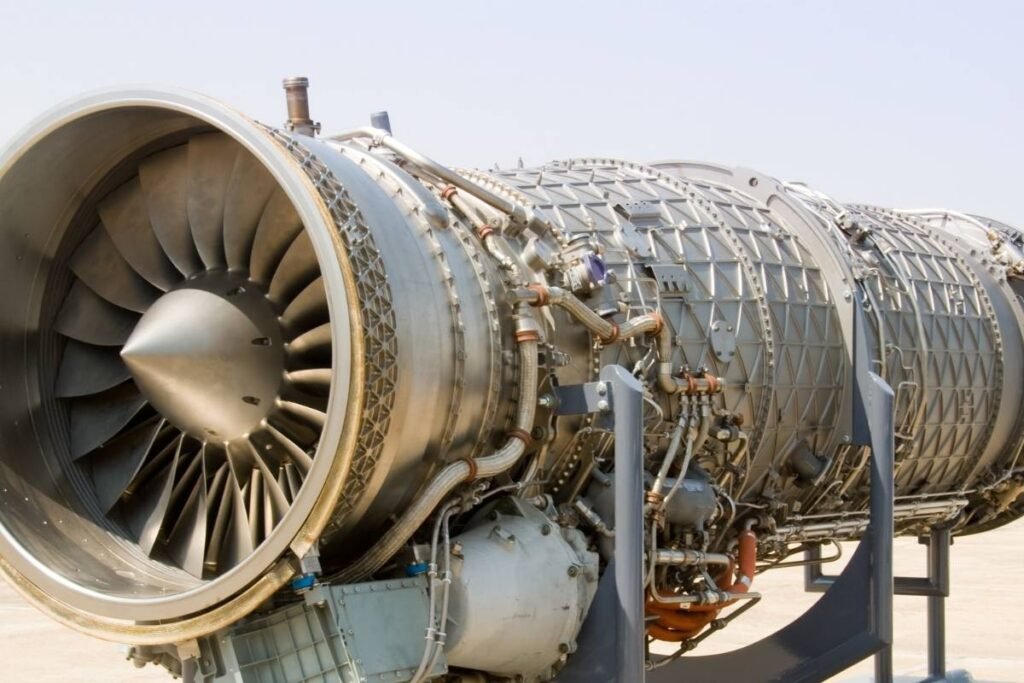
Lively trains on a dedicated Aviation Campus separate from its main facility and publishes an unusually transparent cost breakdown, with tuition calculated per clock hour and itemized fees listed for each program. Students can earn the Airframe rating first, then add 810 additional hours for Powerplant, or pursue both sequentially. That stackable structure gives students who need to enter the workforce quickly the option to certify on one rating and return for the second later.
Industry partnerships with Adapt Air and StandardAero Business Aviation Services signal real employer connections in the North Florida market. GI Bill status is not listed on the Registry; confirm directly with the school before enrolling.
Best for: North Florida students who want transparent pricing, a modular rating structure, and established employer connections in the Tallahassee area.
7. Lorenzo Walker Technical College — Naples
School Website | AMT Registry Listing
Address: 3702 Estey Avenue, Naples, FL 34104 Program Length: 14 months | Cost: Not listed | GI Bill: Not listed Ratings: Airframe & Powerplant | Credential: Certificate | Schedule: Day
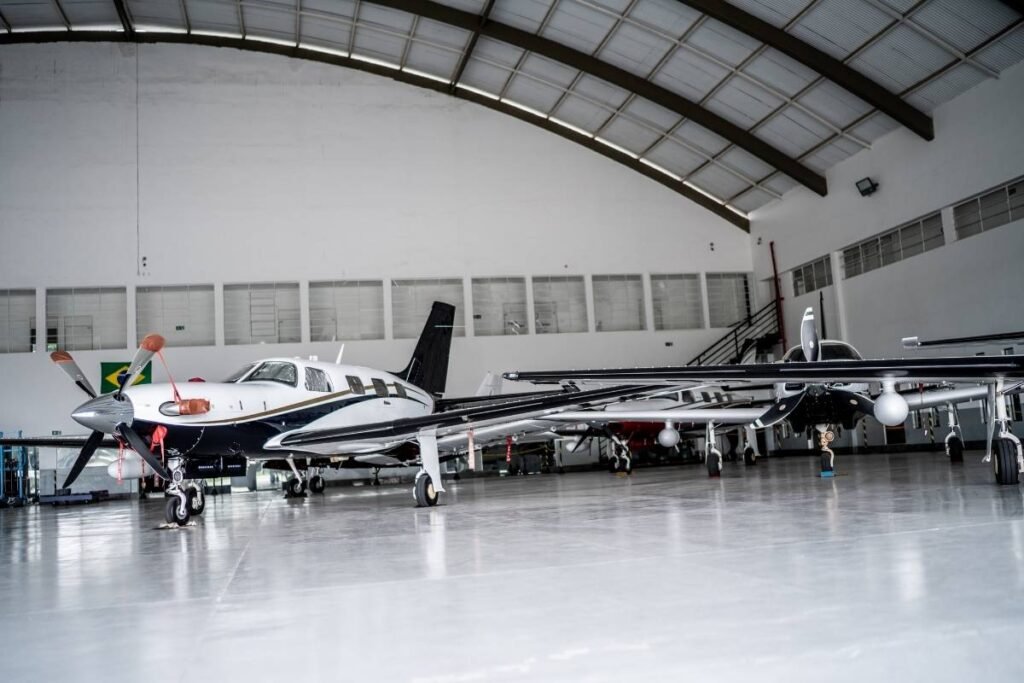
Lorenzo Walker offers separate Airframe and Powerplant certificate programs, each at 1,350 clock hours, structured so students earn one rating and then add the second. At 14 months, the listed program length is among the shorter timelines for a technical college program in Florida.
Naples and Southwest Florida have a growing general aviation and corporate aviation market, and LWTC is the only FAA-approved AMT program in the region. Cost and GI Bill status are not published on the Registry listing; confirm both directly with the school before making enrollment decisions.
Best for: Southwest Florida students who want a local option without commuting to Miami or Tampa, and who are comfortable confirming cost and GI Bill details directly with the school.
8. Central Florida Aerospace Academy — Lakeland
School Website | AMT Registry Listing
Address: 4141 Medulla Road, Lakeland, FL 33811 Program Length: Not listed | Cost: ~$5,117 | GI Bill: Yes Ratings: Airframe & Powerplant | Credential: Certificate | Schedule: Day Clock Hours: 2,250

CFAA is a high school-focused aerospace academy, not a post-secondary institution. It belongs on this list because its aviation maintenance coursework is built around FAA-aligned content and logs 2,250 clock hours, giving students a foundation that genuinely advances their path toward A&P certification.
Like ALA Applied Technologies in Arizona, CFAA is best understood as a head start rather than a finishing line. Students who complete the program still need to fulfill FAA requirements for testing through an approved pathway, but they graduate with technical exposure and foundational skills that most peers entering post-secondary AMT programs don’t have. Lakeland sits between Tampa and Orlando, giving graduates access to both metros’ aviation job markets.
Best for: High school students in the Central Florida region interested in aviation maintenance careers who want early, structured exposure to aircraft systems before entering a post-secondary AMT program.
The Florida Aviation Job Market
Florida’s geography produces an unusual aviation employment map. Miami’s international cargo and commercial airline operations generate consistent demand in the south.
The Orlando metro has a growing MRO sector, several major carriers with maintenance operations, and the Space Coast’s aerospace manufacturing base just to the east.
Tampa Bay supports both commercial airline and corporate aviation maintenance. Jacksonville’s military installations feed steady demand for civilian mechanics supporting naval aviation.
And throughout the state, a dense general aviation network, a robust flight training industry and a large seasonal charter industry create ongoing work for A&P mechanics well outside the major metro centers.
Entry-level A&P mechanics in Florida typically start between $46,000 and $58,000 annually. Technicians with both ratings, airline experience, or specializations in turbine or composite work regularly earn $75,000 to $95,000 or more.
Florida also benefits from being a major retirement destination for experienced mechanics from across the country who want to stay in the industry part-time, which keeps the demand for newer full-time certified technicians consistently strong.
More Florida Programs
The schools covered here are the Florida programs currently listed in the AMT Registry. The full directory is searchable by state, credential type, GI Bill approval, and program length.